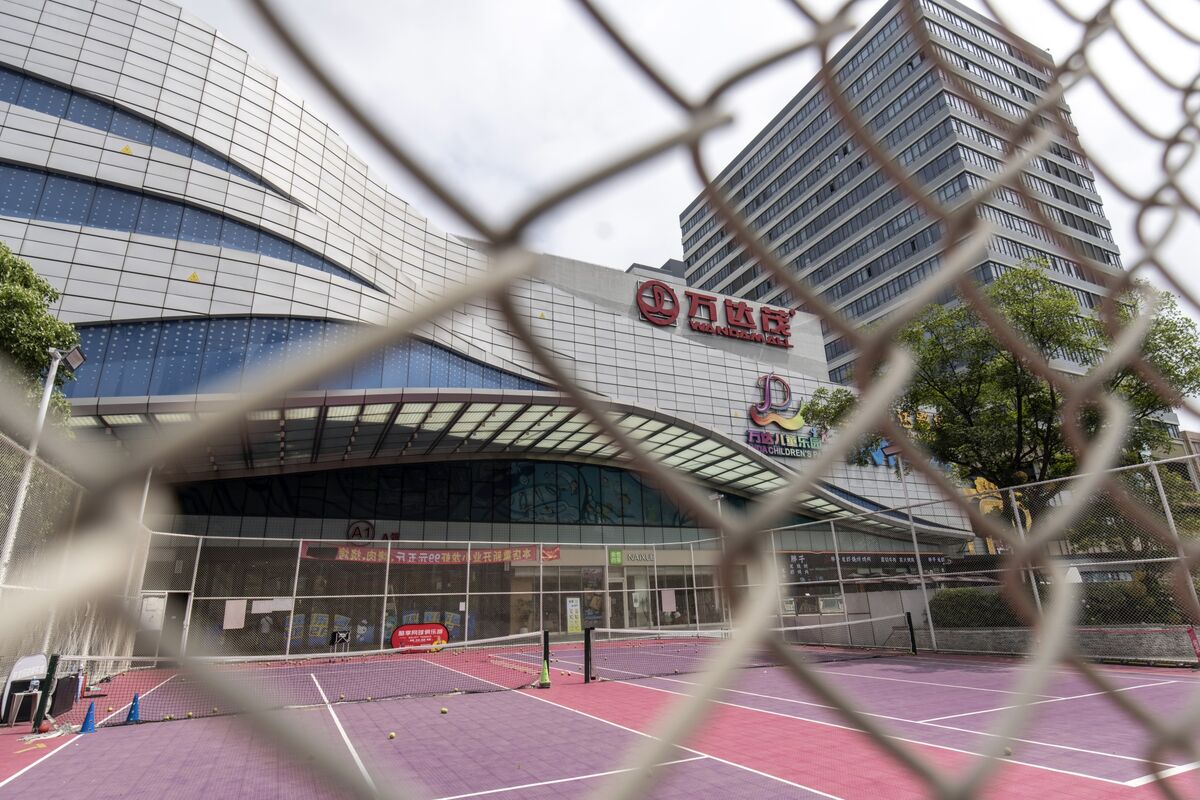
PAG deployed billions in a contrarian private equity strategy to convert a minority stake in an asset-light vehicle into effective control of China’s largest shopping-mall operator, signaling a big bet on a domestic consumer recovery in a sector many global rivals have shunned. The deal demonstrates how active governance and creative structuring can deliver operational control in Chinese real estate assets and could reshape investor positioning toward mall operators and related retail real estate exposure in the region.
Market structure: PAG’s move signals a shift from passive, asset-light ownership to de facto landlord control — winners are mall landlords/turnaround specialists and local lenders; losers are passive minority investors and competing PE shops that fled the sector. Expect leasing leverage to improve pricing power over 12–24 months; successful execution could compress implied cap rates by ~50–150bps in prime assets and tighten secondary Chinese retail bond spreads by 100–300bps.
Risk assessment: Key tail risks are regulatory intervention (forced asset sales or stricter landlord-tenant rules), a consumer slowdown or COVID resurgence, and hidden capex/working-capital commitments at mall level that can blow up cashflow in 2–8 quarters. Watch near-term catalysts (next 30–90 days): Beijing consumer-stimulus signals, Q4 mall footfall/sales prints and local government financing announcements; longer-term (6–24 months) risk is structural e-commerce substitution.
Trade implications: Direct tactical longs: high-quality Hong Kong/China retail landlords should re-rate if PAG executes — a 2–3% tactical position is warranted in 0823.HK (Link REIT) as a liquid proxy, targeting +20% upside if mall sales recover >5% YoY within 12 months. Defensives/hedges: purchase 3–6 month 10% OTM puts on BX and ARES sized 0.5–1% each to protect against private-credit markdown headlines.
Contrarian angle: Consensus underestimates operational execution risk and overestimates a fast consumer rebound; markets may underprice capex and leasing shortfalls—this creates mispricings in public proxies. Historical parallel: post-SARS retail rebounds took 4–6 quarters to normalize; if that timeline repeats, short-duration hedges and selective long positions in well-capitalized landlords will outperform illiquid private-credit exposures.
AI-powered research, real-time alerts, and portfolio analytics for institutional investors.
Request DemoOverall Sentiment
mildly positive
Sentiment Score
0.32
Ticker Sentiment
