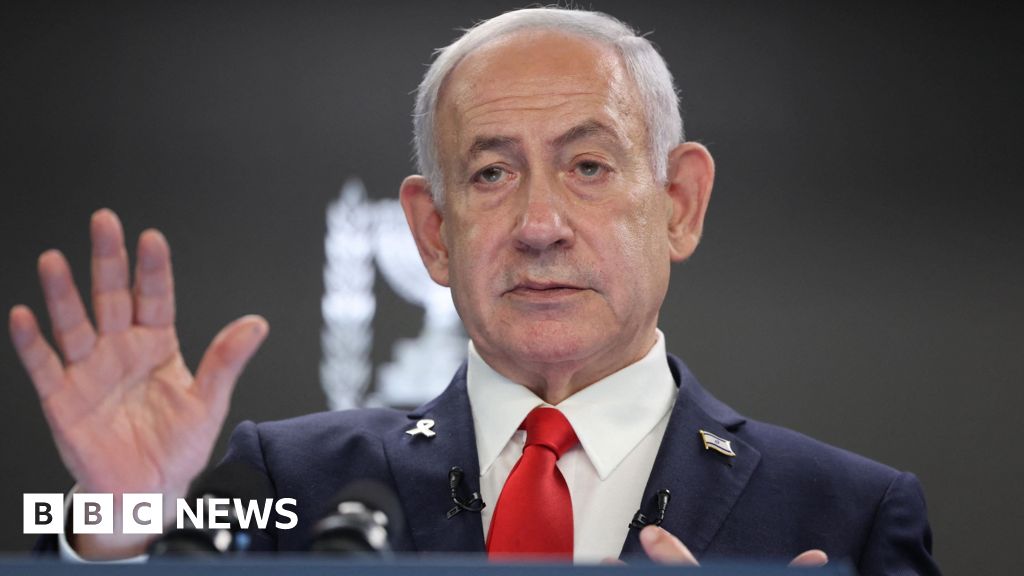
Israeli Prime Minister Benjamin Netanyahu defended plans to take control of Gaza City, asserting it is the 'best way' to end the conflict and dismantle Hamas, despite widespread condemnation at the UN Security Council. While the U.S. supported Israel, other nations including the UK, France, China, and Russia warned the offensive risks violating international law and exacerbating the humanitarian crisis, which already reports significant starvation deaths. Netanyahu also outlined increased aid measures and criticized international media, underscoring the deepening geopolitical and humanitarian complexities of the ongoing conflict.
Israel's plan to escalate its offensive in Gaza City, despite extensive international condemnation, signals a deepening of the conflict and elevates regional geopolitical risk. The UN Security Council meeting highlighted a significant diplomatic fracture, with the United States defending Israel's actions while key allies including the UK and France, alongside China and Russia, warned of potential violations of international law and a severe humanitarian impact. This diplomatic friction, underscored by the 'strongly negative' sentiment signal, introduces considerable uncertainty for assets sensitive to Middle East stability. The severe humanitarian data from the UN and Hamas-run ministry, citing deaths from starvation and thousands of casualties, coupled with internal protests in Israel, creates potent political and reputational risks that could trigger unforeseen consequences, such as sanctions or abrupt shifts in foreign policy from key partners. Furthermore, the Israeli Prime Minister's direct challenge to the international press complicates investors' ability to assess on-the-ground realities, adding a layer of information risk to an already volatile situation.
AI-powered research, real-time alerts, and portfolio analytics for institutional investors.
Overall Sentiment
strongly negative
Sentiment Score
-0.75
