US, EU and Japanese banks are rushing to patch vulnerabilities exposed by Anthropic’s Mythos AI tool, with the ECB urging eurozone banks to prepare immediately and the IMF warning that fast-moving AI-driven cyber risks could destabilize finance if unmanaged. Separately, Instructure said it reached an agreement with hackers after a breach that exposed 3.5 terabytes of student data, highlighting the risks of paying or negotiating with attackers. The article also flags AI-generated zero-day exploits, supply-chain attacks, and rising cyber risks tied to the 2026 World Cup and Ukraine-related threats.
The key market implication is not the headline cyber risk itself, but the acceleration of a capex replacement cycle in financials and critical infrastructure. Large banks, which can absorb tooling and remediation spend, should see a relative advantage versus smaller regional lenders and EU/Japanese institutions still carrying legacy stacks; that widens the moat for vendors tied to identity, detection, and privileged-access management while compressing margins for slower adopters. In practice, this is a 6-18 month procurement story, not a one-week event, because boards will now demand proof of AI-assisted attack simulation and remediation coverage rather than incremental point solutions.
The second-order effect is a higher willingness to pay for cyber insurance and managed security, but only for firms that can quantify control efficacy. The more important loser is any company whose customer trust depends on data immutability: once a precedent is set that paying to suppress disclosure can work, breach negotiators gain leverage and incident frequency likely rises, creating a self-reinforcing cycle of extortion economics. That dynamic is bad for institutions with thin cyber budgets and good for forensic, backup/recovery, and secure access infrastructure providers.
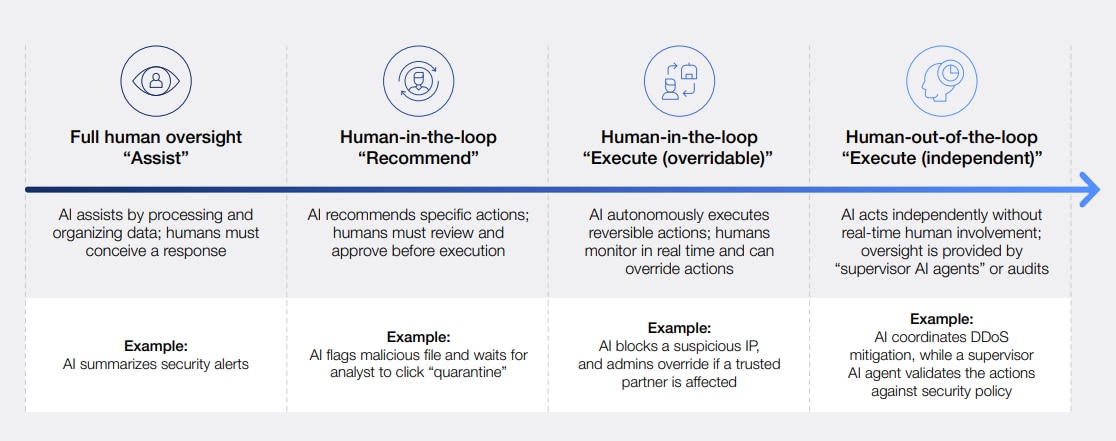
For GOOGL, the article is only modestly relevant, but the strategic readthrough is that AI is moving from assistive to offensive capability. If AI-generated zero-days become repeatable, platform vendors face a step-up in defensive R&D and liability scrutiny, while AI leaders with strong safety controls gain enterprise share from security-conscious buyers. The contrarian view is that the market may overestimate near-term systemic banking contagion and underestimate vendor monetization: breach events usually produce accelerated buying, not outright IT deferral, so the bigger trade is cyber spend reallocation rather than a broad risk-off impulse.
AI-powered research, real-time alerts, and portfolio analytics for institutional investors.
Request DemoOverall Sentiment
mildly negative
Sentiment Score
-0.15
Ticker Sentiment
