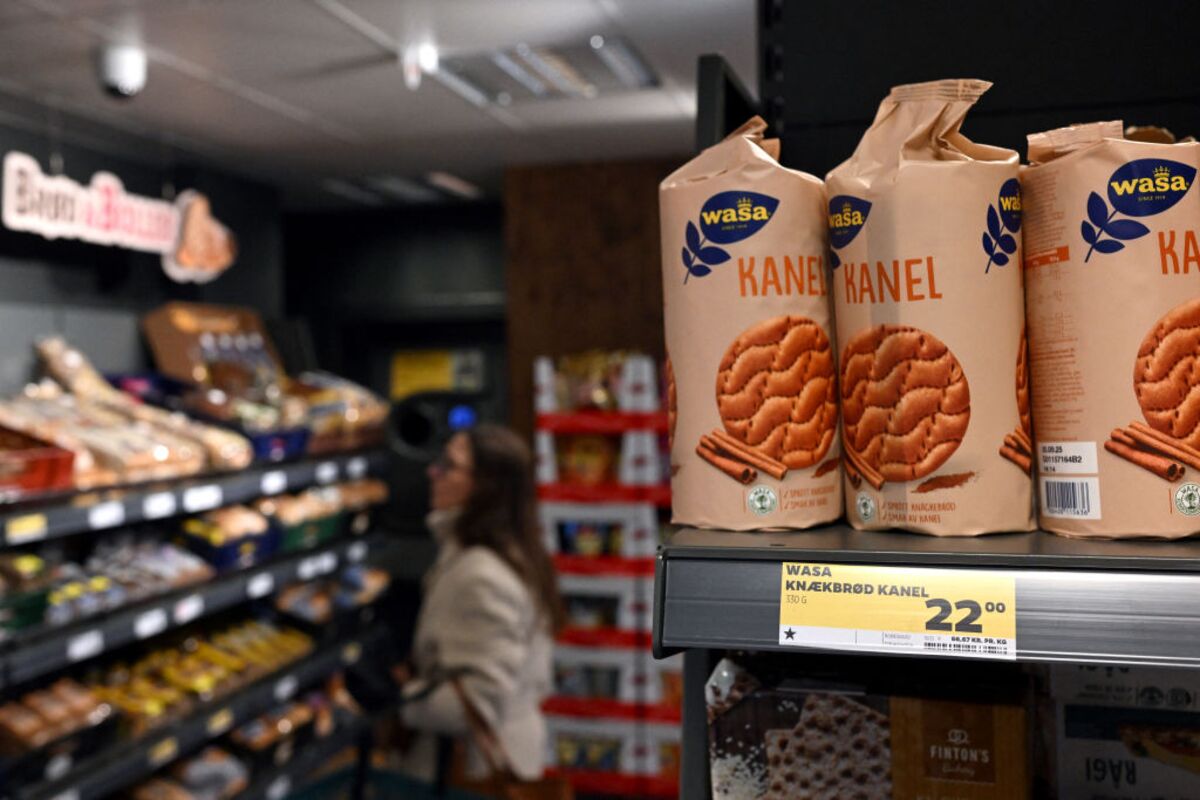
The rising popularity of Novo Nordisk's GLP-1 weight-loss drugs, such as Wegovy, in Denmark is fueling national economic growth but simultaneously raising significant concerns for the local grocery sector. The Danish grocers' trade association, DSK, estimates supermarkets could face an annual revenue loss of 1.2 billion kroner ($187 million) due to reduced food consumption, a figure projected to deepen if the drugs become more accessible or cheaper. This trend highlights a direct and quantifiable impact of pharmaceutical innovation on traditional consumer retail, signaling a potential shift in spending patterns.
The increasing adoption of Novo Nordisk's (NVO) GLP-1 based drugs like Wegovy is creating a notable economic divergence within its Danish home market. While the drug's popularity is a significant tailwind for Novo Nordisk and the national economy, it poses a direct threat to the consumer retail sector. A new analysis from the Danish grocers' trade association, DSK, quantifies this risk, projecting a potential annual revenue loss of 1.2 billion kroner ($187 million) for supermarkets due to reduced food consumption. This negative impact is forecast to intensify if the drugs become cheaper or more accessible, for instance, through a tablet formulation. This situation provides a clear, quantifiable example of a second-order effect where a pharmaceutical success story directly translates into a headwind for consumer staples, underscoring a structural shift in consumption patterns driven by healthcare innovation.
AI-powered research, real-time alerts, and portfolio analytics for institutional investors.
Request DemoOverall Sentiment
moderately negative
Sentiment Score
-0.50
Ticker Sentiment
