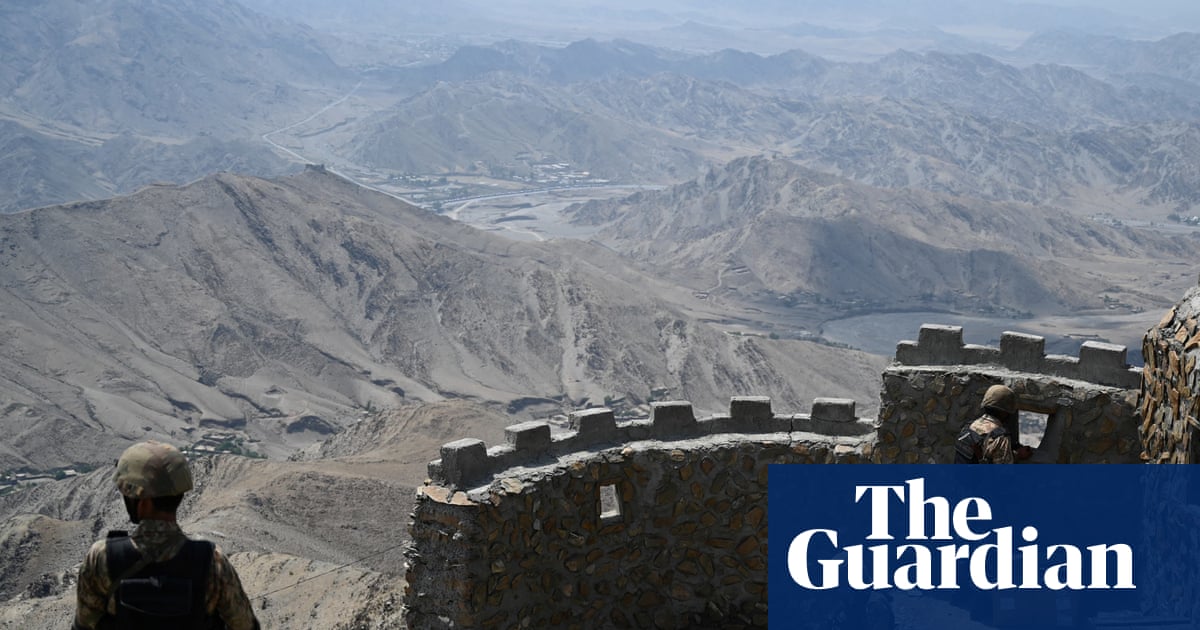
Intense border clashes have erupted between Pakistan and Afghanistan following a Pakistani airstrike and subsequent Taliban retaliation, escalating regional tensions. Pakistan accuses Afghanistan of harboring the Tehreek-e-Taliban Pakistan (TTP), which conducts attacks on Pakistani forces, while the Taliban alleges sovereignty violations. Analysts suggest a likely near-term de-escalation due to the Taliban's limited military capacity, but warn of a potential cycle of reprisals and operations, indicating persistent geopolitical instability and risk in the region.
Intense border clashes have erupted between Pakistan and Afghanistan following a Pakistani airstrike and subsequent Taliban retaliation. Pakistan accuses Kabul of harboring the Tehreek-e-Taliban Pakistan (TTP), which has killed hundreds of Pakistani soldiers since 2021, while the Taliban alleges sovereignty violations and seized two Pakistani border posts in Helmand. Pakistani forces responded forcefully with artillery, tanks, and heavy weaponry at multiple border locations.
This escalation represents a "perfect storm for trouble," as noted by South Asia analyst Michael Kugelman, stemming from deep-seated tensions and Afghanistan's non-recognition of the Durand Line. Security analyst Imtiaz Gul characterized the events as a "logical conclusion" of Pakistan's dwindling patience and Kabul's refusal to act against the TTP.
While Kugelman anticipates a near-term de-escalation due to the Taliban's limited military capacity, he warns of a potential cycle of reprisals and operations, indicating "no winners or easy long-term solutions." The situation carries a "strongly negative" sentiment and "volatile" tone, underscoring persistent geopolitical instability and risk.
AI-powered research, real-time alerts, and portfolio analytics for institutional investors.
Overall Sentiment
strongly negative
Sentiment Score
-0.75
Ticker Sentiment
