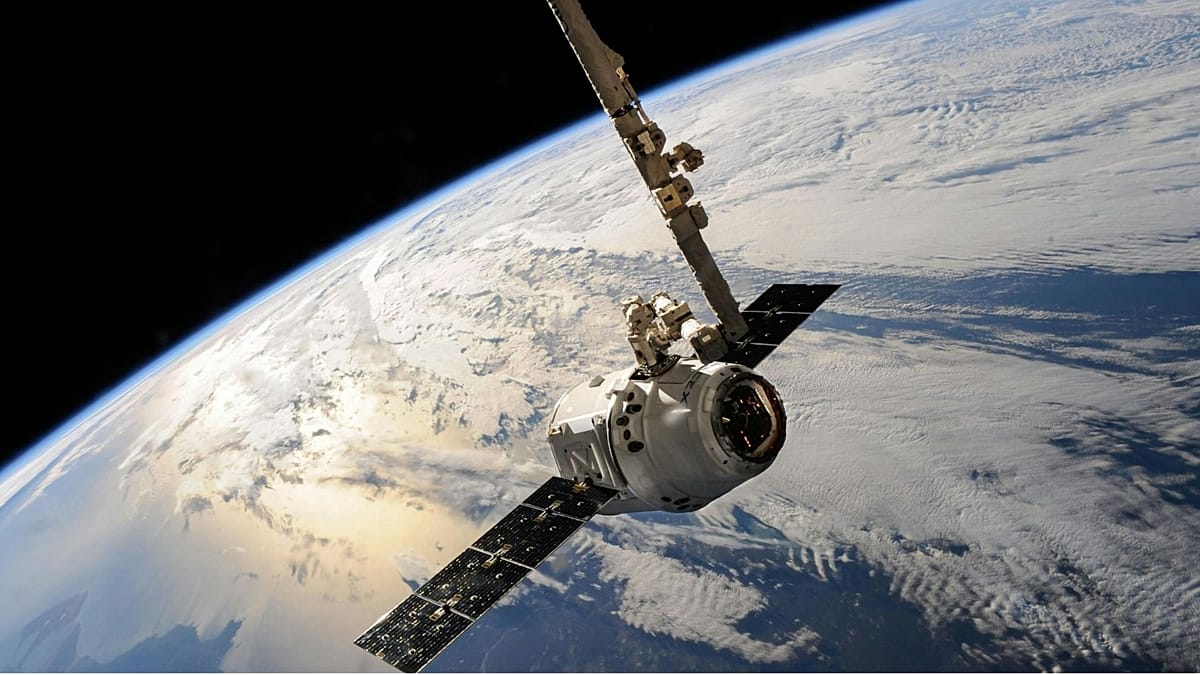
SpaceX said a Starlink satellite came within about 200 metres of nine satellites launched last week by China’s CAS Space, a near-miss that Starlink engineering VP Michael Nicholls attributed to operators not sharing ephemeris data or coordinating deconfliction. CAS Space denied responsibility, saying launches use ground-based space-awareness systems, that the potential close approach occurred nearly 48 hours after payload separation, and that it will coordinate with other operators. The incident underscores growing low Earth orbit congestion—roughly 2,800 satellites were launched in 2023 and LEO capacity is expected to rise about 190% over the next decade—and highlights the urgent need for standardized data-sharing and collision-avoidance protocols to reduce debris risk and the prospect of cascading Kessler Syndrome outcomes.
SpaceX reported that a Starlink satellite passed within roughly 200 metres of nine satellites launched last week by China’s CAS Space, with Starlink engineering VP Michael Nicholls attributing the near‑miss to operators not sharing ephemeris data or performing deconfliction. CAS Space denied responsibility, saying its launches use a ground‑based space‑awareness system, noting the close approach occurred nearly 48 hours after payload separation, and committing to coordinate with other operators.
The episode highlights accelerating low Earth orbit congestion: about 2,800 satellites were launched in 2023 (Space Foundation) and the World Economic Forum projects a roughly 190% increase in LEO satellite numbers over the next decade. A collision could generate substantial debris, raising the risk of cascading collisions and invoking the Kessler Syndrome scenario that would threaten existing services such as GPS, weather and financial-system infrastructure.
Market signals show moderately negative sentiment (score -0.45) and a modest market impact score (0.3), implying reputational and regulatory risk without immediate broad market shock. The primary investment implications are increased probability of stricter coordination or regulation, higher compliance and insurance costs for operators, and greater commercial opportunity for space‑situational‑awareness and debris‑mitigation providers.
AI-powered research, real-time alerts, and portfolio analytics for institutional investors.
Request DemoOverall Sentiment
moderately negative
Sentiment Score
-0.45
