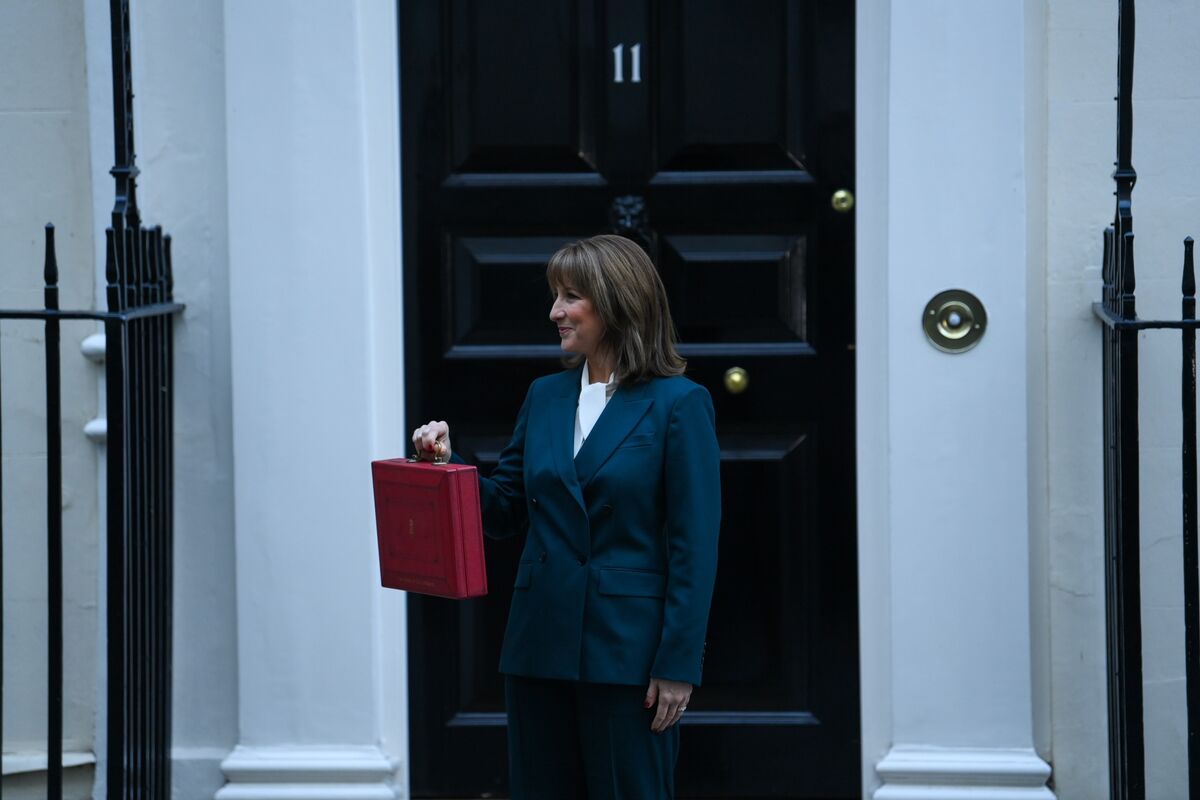
UK tax receipts are projected to hit record levels, yet the country's fiscal watchdog finds the higher tax take will have effectively zero impact on GDP growth. The outcome implies an improved revenue backdrop for public finances without a corresponding boost to economic momentum, limiting immediate market-moving implications while shaping fiscal and political debates in the UK.
Market structure: A record UK tax take tightens the fiscal supply picture — direct winners are long-duration gilts (lower net issuance reduces term premium) and sterling (improved fiscal metrics); losers are dollar-priced exporters and commodity-sensitive FTSE names because an appreciating GBP compresses overseas revenues. Pricing power shifts toward domestically-focused businesses and regulated utilities if higher receipts fund spending rather than tax cuts; consumer-facing cyclicals face a small but measurable drag if receipts are paid out of wages. Cross-asset: expect 20–50bp downward pressure on 5–15y gilt yields over 3–12 months, 2–5% potential GBP appreciation vs USD in the same window, and reduced realised volatility in gilt options absent political shocks.
Risk assessment: Tail risks include a sharp reversal of receipts (windfall taxes/bonuses rolling off), a political U-turn (tax cuts or fiscal loosening), or an inflation surprise forcing BoE hikes — each could widen gilt yields >100bps in stress. Immediate (days) effects: FX and short-end gilts reprice; short-term (weeks–months): 5–15y yields and credit spreads move; long-term (quarters–years): real fiscal capacity and capital spending patterns change. Hidden dependency: receipts may be concentrated (bonuses, CGT) and non-recurring — durability below 60% would negate the gilt supply argument. Catalysts to watch: next monthly HMRC receipts, Budget/OFS forecasts, and BoE minutes within 30–90 days.
Trade implications: Tactical plays include long 7–15y gilts (futures or long-dated gilt ETF) sized 2–4% portfolio expecting 25–50bp yield compression in 3–12 months, and a 2% notional long GBP via 3m forward or FX ETF (FXB) targeting +3–5% in 1–3 months. Hedge/short domestic exposure: trim UK consumer discretionary/retail exposure by ~30–50% over 30 days or buy 3-month put spreads on Next (NXT.L) / Tesco (TSCO.L) to limit downside. Pair trade: long sterling IG corporate credit (1–2% via GBP IG ETF) vs short 1% notional commodity/exporters (e.g., BHP, BP) to capture FX-driven relative moves; use 3-month option call spreads on GBP to define cost.
Contrarian angles: The market may be underweight the non-durability of receipts — consensus bullishness on gilts/GBP is vulnerable if receipts fall by >25% year‑over‑year. Historical parallels (post‑boom revenue spikes) show rapid policy reversal: a 1-year fall in receipts can flip a 30–50bp gilt rally into a >75bp selloff within 6–12 months. Unintended consequence: a stronger GBP could worsen trade balance and corporate profits, reversing equity gains; therefore size positions with 50–100bp yield and 2–3% FX stop thresholds and re-evaluate after two monthly HMRC prints.
AI-powered research, real-time alerts, and portfolio analytics for institutional investors.
Request DemoOverall Sentiment
neutral
Sentiment Score
0.00
