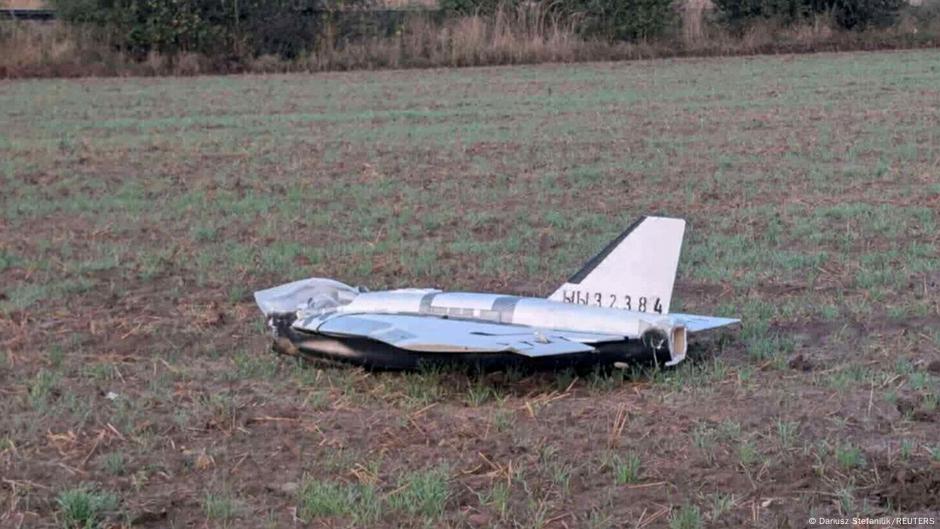
European Union states and Ukraine are prioritizing the development of a comprehensive anti-drone "drone wall" defense system in response to escalating Russian airspace incursions, signaling increased defense spending and integrated security initiatives. Concurrently, the EU is advancing discussions on a €140 billion loan for Ukraine, leveraging frozen Russian central bank assets, a significant financial mechanism that could set a precedent for post-conflict reparations. The ongoing conflict also sees Ukrainian drone attacks reportedly reducing Russia's oil processing capacity by 25%, impacting its energy sector, while diplomatic tensions remain high, exemplified by Ukraine's accusations against Hungary.
Europe is escalating its response to Russian aggression through two significant, parallel initiatives that signal a long-term strategic shift. Firstly, the agreement among ten EU states and Ukraine to develop a 'drone wall' represents a material commitment to bolstering the continent's eastern flank defense. The call for a dedicated 'industrial policy and financial toolbox' points towards substantial, coordinated government investment in counter-UAS, surveillance, and integrated defense systems, creating a durable tailwind for the European aerospace and defense sector. Secondly, the EU's progression on a potential €140 billion loan for Ukraine, ingeniously structured to utilize frozen Russian central bank assets, marks a pivotal development in financial statecraft. This 'reparations loan' model, now backed by key German figures, would be underwritten by all 27 member states, demonstrating high political resolve but also introducing a novel contingent liability for European sovereigns. On the conflict's economic front, Ukrainian drone strikes have reportedly curtailed Russia's oil processing capacity by an estimated 25%, a direct and significant blow to the Russian economy that could disrupt global refined product markets and create domestic fuel shortages. This military effectiveness is echoed by Ukraine's military chief, who claims to have disrupted Russia's 2025 offensive objectives, suggesting a potential stalemate or shift in battlefield momentum. However, internal EU friction, highlighted by the diplomatic dispute between Ukraine and Hungary, remains a persistent risk factor that could complicate the execution of these unified policies.
AI-powered research, real-time alerts, and portfolio analytics for institutional investors.
Request DemoOverall Sentiment
mixed
Sentiment Score
0.00
