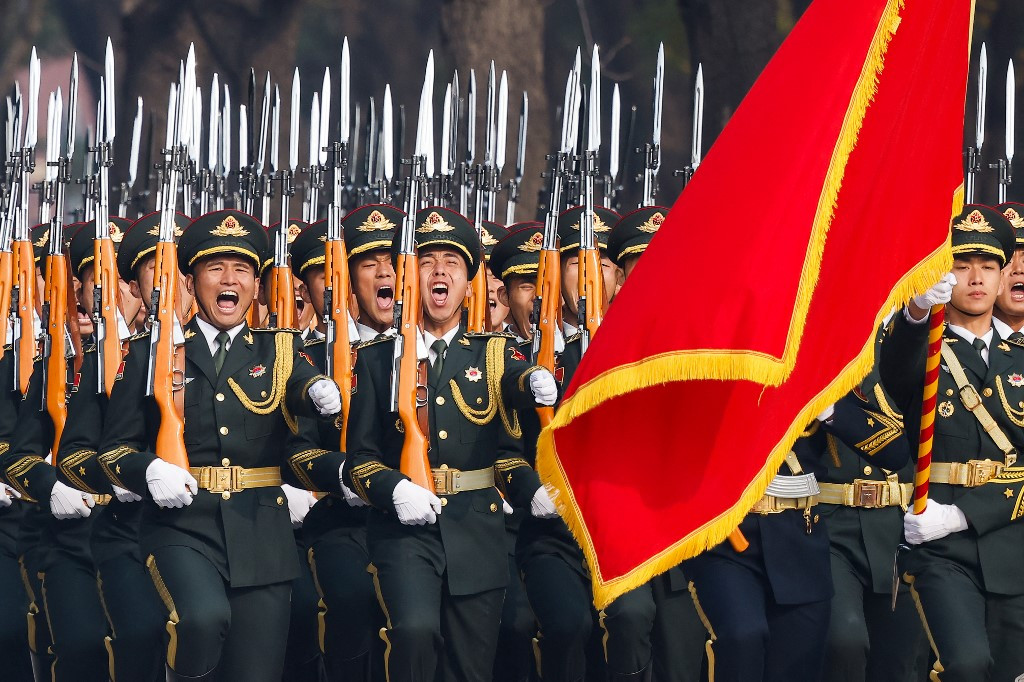
Reuters reported that China trained around 200 Russian troops, including on drone usage, with some later deployed to Ukraine after returning. The alleged training was tied to a July 2, 2025 dual-language military agreement and occurred at facilities in Beijing and other regions, according to unnamed European intelligence officials. If confirmed, the report suggests deeper Chinese support for Russia’s war effort than Beijing publicly acknowledges, even as China maintains a neutral stance.
This is less about battlefield optics and more about the industrialization of the Russia–China security stack. If training of foreign personnel is real, the marginal impact is not on near-term front-line attrition but on Russia’s learning curve for drone doctrine, which compounds over months and is hard to sanction away once tacit know-how transfers into units and training pipelines. The more important second-order effect is that Beijing moves from being a component supplier to an enabler of operational adaptation, raising the probability of broader export-control coordination by the US/EU and more aggressive secondary-sanctions enforcement.
The beneficiaries are the Western defense supply chain and counter-UAS ecosystem, not legacy armor/munitions alone. Expect more budget urgency around electronic warfare, drone interceptors, radar, thermal imaging, and secure communications, with the strongest operating leverage likely in smaller pure-plays that sell into NATO procurement cycles rather than large primes. A subtle loser is any non-China Asian manufacturing base tied to Chinese subassemblies: if policy response expands to end-use screening, lead times and compliance costs rise, creating working-capital drag and shipment delays across industrial tech channels.
The catalyst window is days to weeks for rhetoric and sanctions headlines, but 6–18 months for real procurement flow-through. Near term, this can support a risk-off impulse in European cyclicals exposed to escalation headlines, yet the bigger medium-term trade is a higher defense-capex floor and more resilient revenue visibility for suppliers with anti-drone exposure. The contrarian point: markets may be underpricing how messy enforcement will be—hard evidence of training is harder to prove than parts leakage, so the initial sanctions response could be symbolic and the move in defense names may fade before budget reality catches up.
AI-powered research, real-time alerts, and portfolio analytics for institutional investors.
Request DemoOverall Sentiment
mildly negative
Sentiment Score
-0.35
