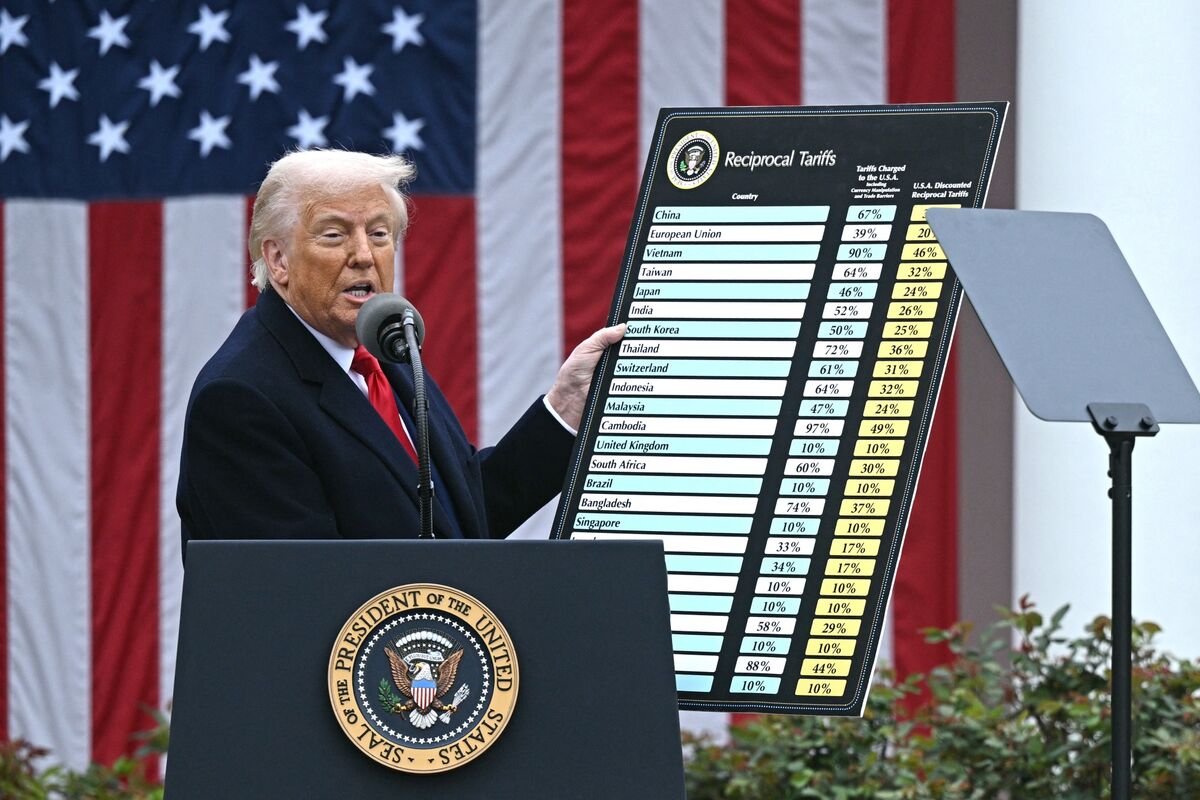
President Trump's trade policies, marked by tariffs and asymmetric deals, are fundamentally re-engineering the global economy and U.S. leadership by ending the post-1945 era of Washington bearing unequal burdens for allies. While aimed at rebalancing relationships and recharging U.S. power, this aggressive approach to extracting benefits risks rupturing the democratic community, signaling a significant shift in international trade dynamics and geopolitical stability.
A fundamental shift in U.S. global economic policy is underway, marking a departure from the post-1945 era in which Washington accepted disproportionate burdens to support a community of democratic allies. The current strategy employs high tariffs and asymmetric trade deals with the explicit goal of rebalancing key relationships and aggressively extracting economic benefits for America. This approach represents a significant gamble; while it aims to recharge U.S. power, it simultaneously risks rupturing the very international alliances and stable trade environment that have historically benefited the American economy. The pessimistic tone and moderate market impact score signal that this strategic re-engineering introduces substantial uncertainty into global trade dynamics and geopolitical stability, moving from a cooperative framework to a more transactional and potentially disruptive one.
AI-powered research, real-time alerts, and portfolio analytics for institutional investors.
Request DemoOverall Sentiment
moderately negative
Sentiment Score
-0.50
