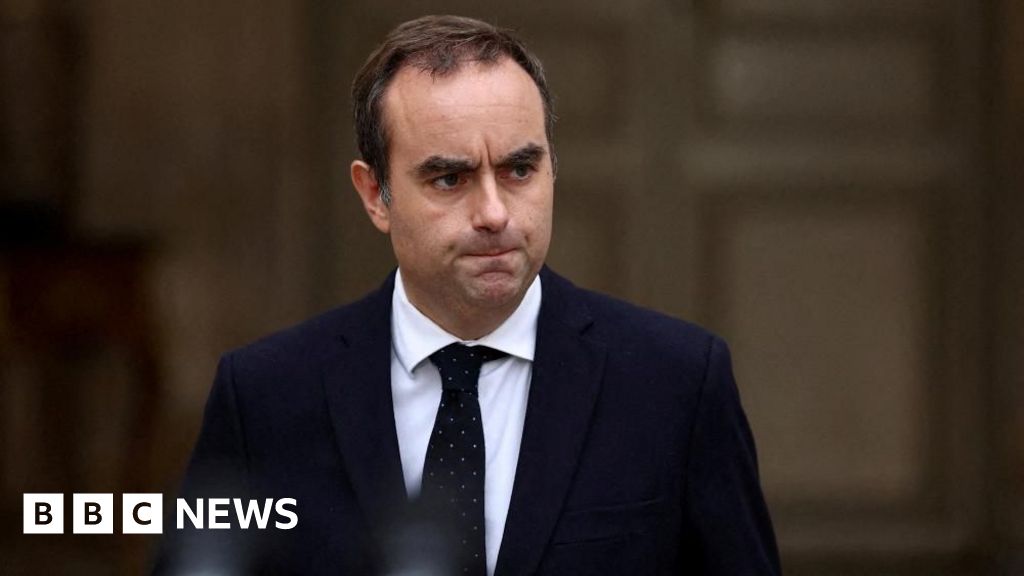
French Prime Minister Sebastien Lecornu faces a make-or-break National Assembly vote on the 2026 social security budget that, if defeated, would almost certainly doom the main 2026 budget and raise awkward questions about his authority; the divided Assembly — split into roughly equal centre, left and far-right blocs after snap elections — lacks a guaranteed majority. Lecornu, Macron’s fourth PM since June 2024, has courted the Socialist Party (~70 MPs) by suspending the planned rise in the statutory retirement age to 64 and pledging not to use the 49-3 decree to force the bills, but risks losing centre‑right support while the far-right National Rally (~140 MPs), far-left La France Insoumise (71) and Greens/Communists (≈55) are set to oppose it; a full majority is 288. If the social security bill fails, the government would likely deploy a special law to keep the state operating on 2025 allocations from Jan. 1 — a political setback that would deepen doubts about France’s fiscal consolidation and could exacerbate the country’s already deteriorating public finances.
French Prime Minister Sebastien Lecornu faces a pivotal National Assembly vote on the 2026 social security budget that, if defeated, would almost certainly derail the principal 2026 budget; the Assembly is split into three roughly equal blocs after snap elections and a full majority is 288 MPs. Lecornu, appointed in September as President Macron's fourth prime minister since June 2024, has himself acknowledged the uphill task after predecessors Michel Barnier and François Bayrou resigned following similar failures; Barnier stepped down exactly a year ago.
To win support Lecornu offered major concessions to the Socialist Party (about 70 MPs), notably suspending the planned rise in the statutory retirement age to 64 and pledging not to use the 49-3 decree, while hoping to attract left-leaning deputies with promises of more hospital spending. The far-right National Rally (~140 deputies), far-left La France Insoumise (71) and Greens/Communists (about 55) are set to oppose the bill, and giving up 49-3 increases the risk that centre-right allies may abstain or defect rather than back the compromise.
A failed social security vote would likely compel the government to introduce a special law to keep the state operating on 2025 allocations from Jan. 1, creating operational continuity but amplifying doubts about France's ability to consolidate large deficits. The political brinkmanship and increased fiscal uncertainty implied by the article raise the prospect of higher sovereign risk premia and near-term market volatility, making the parliamentary outcome a key macroeconomic catalyst to watch.
AI-powered research, real-time alerts, and portfolio analytics for institutional investors.
Request DemoOverall Sentiment
moderately negative
Sentiment Score
-0.45
