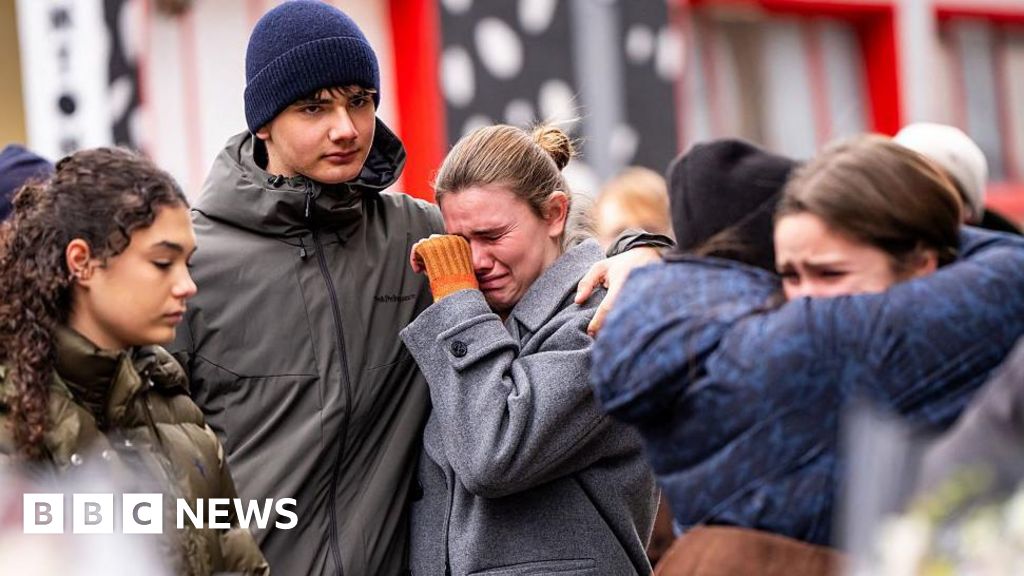
A New Year's Eve fire at Le Constellation in Crans‑Montana killed 40 people and injured 119; Swiss prosecutors in the canton of Valais have opened a criminal investigation into the French managers, who are suspected of homicide by negligence, negligent bodily harm and negligent arson. Authorities have identified 113 of the injured (71 Swiss, 14 French, 11 Italian) amid a slow identification process due to severe burns; the incident raises the prospect of significant legal liabilities and heightened regulatory scrutiny for local hospitality operators, though it is unlikely to have material market-wide financial impact.
Market structure: This tragedy disproportionately hurts small, nightlife-focused alpine operators and local bars (Crans-Montana accounts for >30% of winter footfall in peak weeks), pressuring near-term bookings and F&B margins by an estimated 5–15% over the next 0–3 months as families and regulators react. Larger branded hotel chains and centralized resort operators (better compliance, insurance) should see relative share gains and pricing power for safer, curated après-ski experiences.
Risk assessment: Tail risks include EU/Swiss regulatory tightening (fire-safety and age-of-sale rules) and class-action liability that could create >€10–50m multi-party claims for regional operators, hitting small-cap balance sheets or local insurers within 3–12 months. Hidden dependencies: municipal reputation (Crans-Montana real-estate and secondary rental markets) and insurer reinsurance retrocessions; catalysts include autopsy/regulatory reports (30–90 days) and any criminal indictments beyond the managers.
Trade implications: Favor security/fire-safety suppliers and large-cap branded lodging; underweight small European resort operators and local hospitality REITs. Specific instruments: consider 6–12 month long exposure to fire-safety names and short exposure to Compagnie des Alpes (CDA.PA) or similarly exposed regional operators; use options to cap risk given event-driven volatility spikes.
Contrarian angles: Consensus will overweight short-term tourism doom; that is likely overdone beyond 3 months — winter bookings typically rebound once safety rules are clarified. If regulatory fallout is limited to fines, small operators will recover, making short-duration puts on large-cap hospitality names a higher-risk trade; conversely, fire-safety equipment makers may be underpriced for a sustained 10–20% uplift in demand over 6–12 months.
AI-powered research, real-time alerts, and portfolio analytics for institutional investors.
Request DemoOverall Sentiment
neutral
Sentiment Score
0.00
