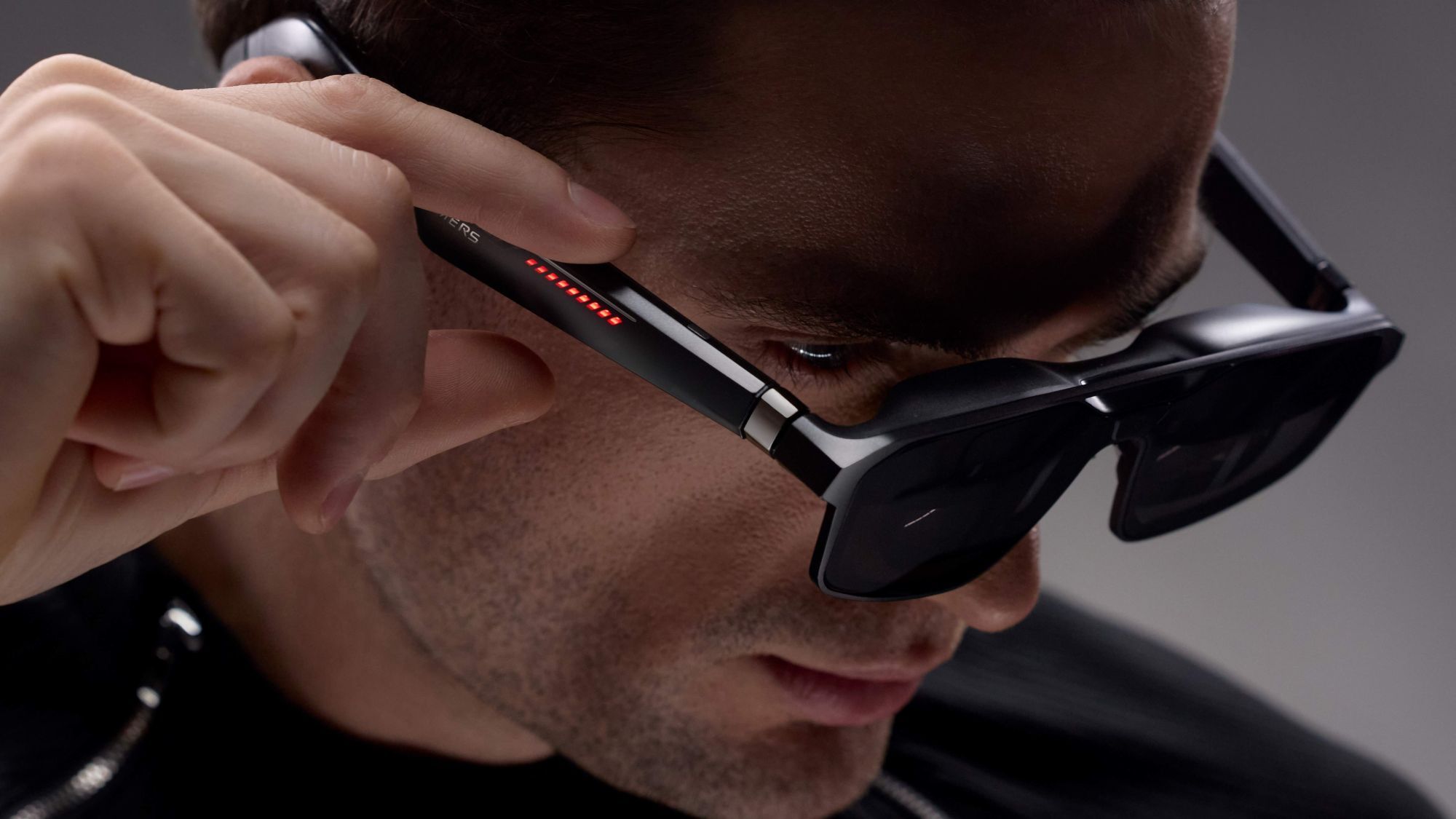
Asus unveiled the ROG Xreal R1 AR gaming glasses at CES 2026, featuring a 240 Hz Micro‑OLED panel that projects a virtual 171‑inch display at an effective 4 m distance, 57° field of view, 95% coverage of the "human focus area", a 1080p resolution, 91 g weight, and a detachable control dock with DisplayPort/HDMI/USB‑C compatibility; launch is scheduled for H1 2026 with pricing not disclosed. While notable as the first 240 Hz gaming glasses and potentially attractive to mobile and handheld gamers, the FHD resolution and uncertain price point raise questions about broader adoption and near‑term financial impact for Asus.
Market structure: Asus' ROG Xreal R1 AR (benefit to ASUSTeK 2357.T) and upstream Micro‑OLED suppliers (Samsung 005930.KS, Sony SONY) are the immediate winners if consumer interest scales; Meta (META) and standalone VR headset makers are incremental losers as attention fragments. Pricing power will be limited early — expect niche premium pricing but constrained unit volumes (low‑single‑digit millions globally in 2026) because 1080p micro‑OLED yields lower utility for productivity and will face fierce mobile-phone/windowed display competition.
Risk assessment: Tail risks include a high‑profile product flop (poor reviews around font fringing), regulatory/privacy constraints on AR spatial tracking, or component shortages pushing ASPs +5–10% and delaying shipments 3–9 months. Immediate market impact is minimal (days); short term (weeks–months) hinges on price/review release; long term (quarters–years) depends on ecosystem (content, SoC suppliers like QCOM) adoption and production scale economies.
Trade implications: Tactical long on ASUSTeK and selected micro‑OLED suppliers with tight sizing, paired with hedges against negative consumer reviews; selective long exposure to Qualcomm (QCOM) for AR SoC content stack. Use short‑dated puts on META as an asymmetric hedge vs XR execution risk, and prefer call spreads vs outright calls on smaller AR component names to limit premium loss.
Contrarian angles: The market may overrate headline CES launches and underrate execution/UX risk — Google Glass and early VR offer historical parallels where hype didn't convert to mass revenue for years. If Asus prices below a consumer threshold (e.g., <$599 retail), adoption could surprise on the upside; otherwise expect limited TAM expansion and consolidation, creating opportunities to buy suppliers after visible ASP/order beats.
AI-powered research, real-time alerts, and portfolio analytics for institutional investors.
Request DemoOverall Sentiment
neutral
Sentiment Score
-0.05
Ticker Sentiment
