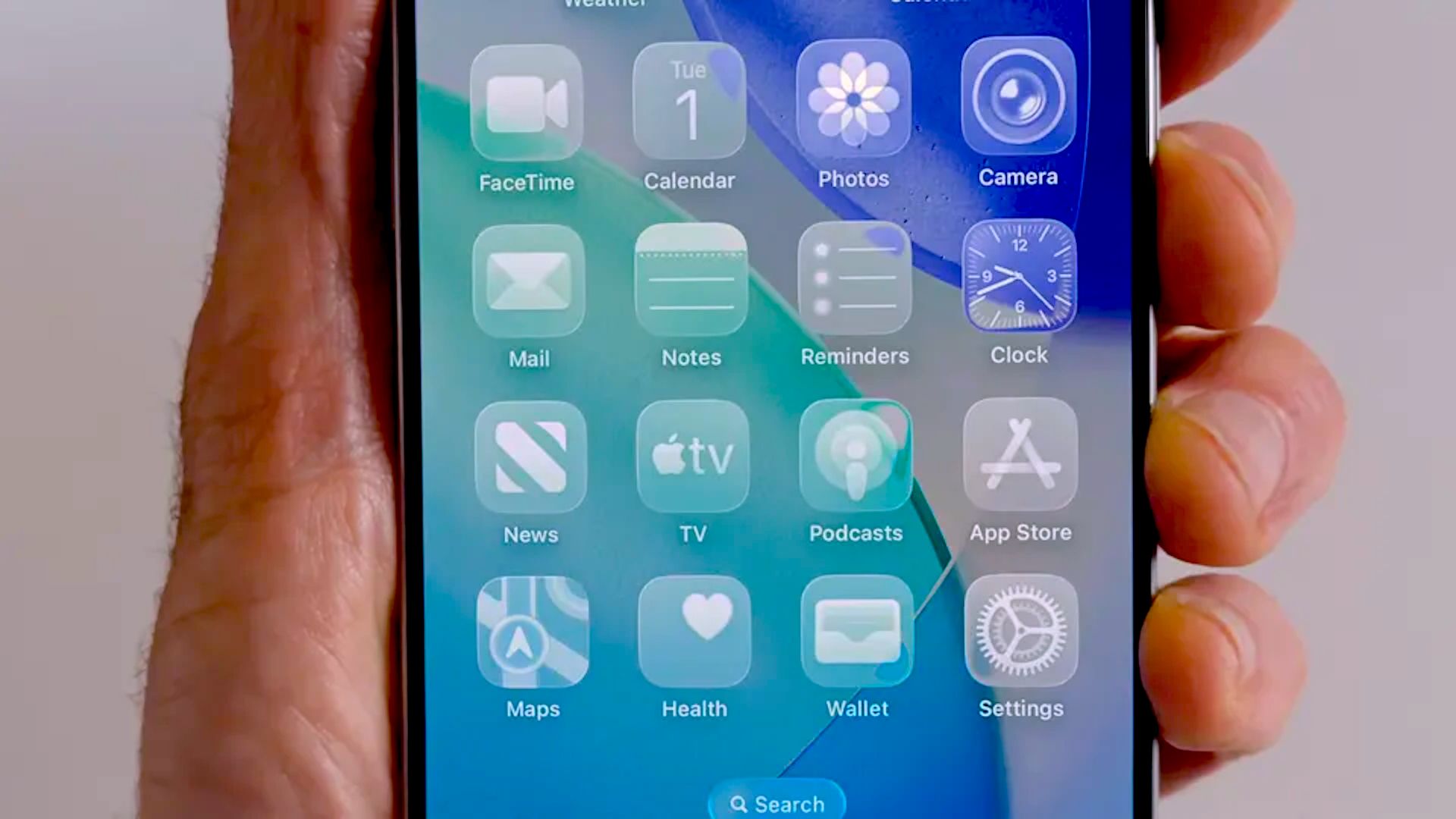
Apple has seen high-profile design departures, with longtime head of user interface design Alan Dye leaving to join Meta to lead a new Reality Labs creative studio; this follows recent exits such as Abidur Chowdhury, the designer behind the iPhone Air. The exits involve designers behind prominent, divisive initiatives (Liquid Glass UI and iPhone Air) and may signal talent attrition and weakening confidence in Apple's design direction, potentially affecting consumer perception of product differentiation even though no financial metrics were disclosed.
Market structure: Talent exits from Apple's design org are a negative signal for product differentiation and could erode AAPL's pricing power if design-led features underperform over the next 2–8 quarters. Direct winners are experience-driven competitors (META) and tooling firms (ADBE) that pick up creative talent; losers are premium hardware OEMs dependent on perceived design leadership. Cross-asset: a persistent AAPL sentiment hit would raise Nasdaq implied volatility (+10–20% in tech vols), pressure tech-heavy equities, marginally widen IG tech credit spreads (~5–15bp) and could strengthen USD if risk-off triggers flows to Treasuries.
Risk assessment: Tail risks include a sustained creative drain leading to tangible declines in iPhone ASPs and unit demand (10–20% downside to revenue in a severe case) or reputational contagion precipitating activist/board scrutiny. Immediate (days) effects are sentiment-driven stock moves; short-term (weeks–months) are share-price repricings and option vol spikes; long-term (quarters–years) hit product roadmap elasticity and margins. Hidden dependency: Apple's moat relies on non-public design pipeline and supplier commitments—loss of visible designers doesn't equal capability loss, but repeated departures are a high-signal catalyst.
Trade implications: Tactical pair trade: long META vs short AAPL captures asymmetric near-term sentiment; use 1–3% NAV per leg, horizon 3–9 months. Options: buy AAPL 3–9 month 15% OTM put spreads (limited cost) to hedge while buying META 6–12 month 20% OTM call verticals on renewed Reality Labs investor narrative. Rotate modestly from hardware-centric longs into software/platform names (ADBE, MSFT) over next 2 quarters.
Contrarian angles: The consensus overstates impact if Apple’s deep bench and supply agreements sustain product quality—historical parallels (creative departures at Apple 2010s) produced limited long-term share loss. Reaction may be overdone in stock price for a company with >$200B cash and active buybacks; short AAPL without hedge risks a buyback-fuelled squeeze. If Meta fails to convert design hires into better product monetization, long META exposure could disappoint within 6–12 months.
AI-powered research, real-time alerts, and portfolio analytics for institutional investors.
Request DemoOverall Sentiment
mildly negative
Sentiment Score
-0.30
Ticker Sentiment
