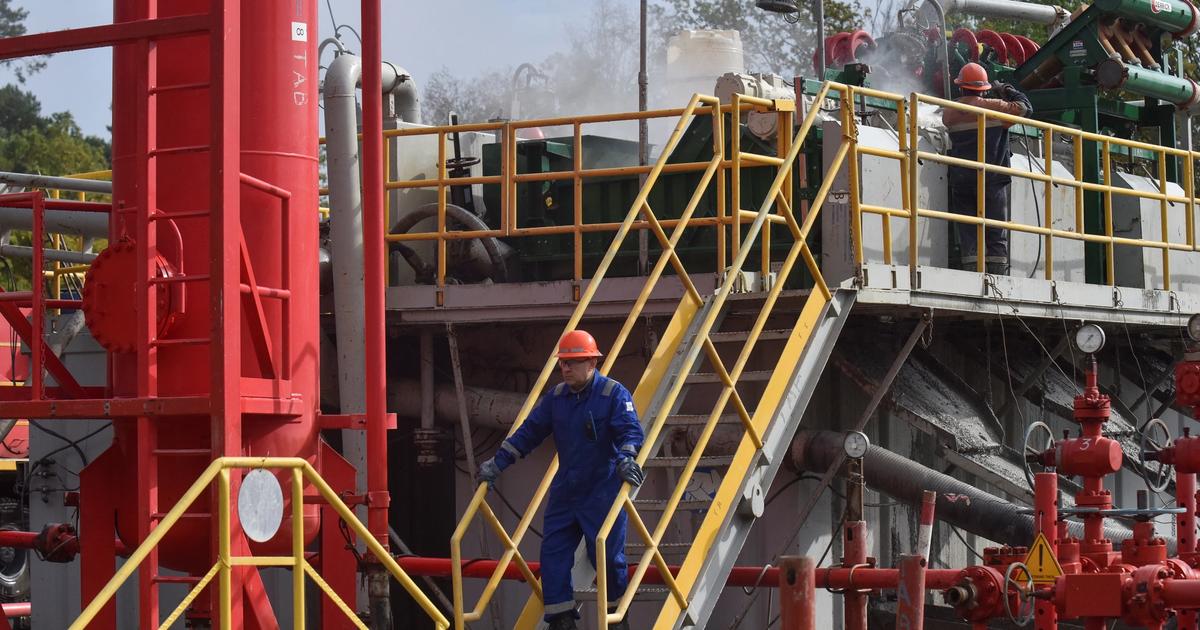
Ukrainian energy firms are facing acute funding and logistical constraints after Russian attacks damaged more than half of domestic gas production, leaving the country at least $100 million short for near-term gas imports and estimating $60 billion needed to rebuild its energy system. Negotiations are ongoing but stalled with US institutions (Ex-Im, DFC) even as Naftogaz pursues a near-term long‑term LNG supply deal with US exporters and piggybacked cargoes have been routed via European partners; Washington must decide how to spend roughly $250 million in emergency energy assistance. Logistics remain complex — LNG currently requires transfers through Greece or Poland and a proposed Black Sea terminal would need Turkish approval and security guarantees — while private investors like Horizon Capital have raised $150 million for infrastructure, including a 124 MW wind project.
Market structure: Immediate winners are US LNG exporters and LNG shipping/financing providers (directly benefit from Ukraine seeking US long‑term supply), while damaged Ukrainian domestic producers and Russian pipeline transit leverage lose pricing power. Expect upward pressure on European TTF and JKM LNG spreads near term (weeks–months) as marginal European supply is reallocated, improving revenue visibility for listed US LNG names but raising shipping & insurance costs by an estimated 10–30%.
Risk assessment: Tail risks include a Turkish closure of the Bosphorus or a major Russian strike on Black Sea/Baltic export logistics which would materially raise delivery costs and create ~30–50% spikes in regional gas prices; political risk (US DFC/Ex‑Im funding refusal) could halt contract signings within 30–90 days. Hidden dependencies: bank and export credit agency approvals, insurance availability, and NATO security guarantees; catalysts are a Davos Trump‑Zelensky deal or formal Ex‑Im/DFC approvals in the next 60 days.
Trade implications: Tactical overweight US LNG equities (Cheniere LNG, Sempra) and selective shipping (Golar GLNG) for 3–12 months; hedge with long TTF futures or buy EU gas call options to capture price spikes. Use relative value: long US LNG equities vs short European gas‑exposed utilities (for 3–6 months) to isolate cryogenic shipping and contract upside from regulated EU margin compression.
Contrarian angles: The market may overstate Ukraine’s absolute incremental LNG demand vs global capacity (Ukraine need is a few bcm/year vs >400 bcm global trade), so shipping/spot spikes could mean‑revert in 6–12 months—favor option‑capped upside rather than naked long. Historical parallels (post‑2014 Europe) show policy responses (price caps/subsidies) can compress generator/utility margins within one winter, creating a shortable policy‑risk window.
AI-powered research, real-time alerts, and portfolio analytics for institutional investors.
Request DemoOverall Sentiment
moderately negative
Sentiment Score
-0.45
