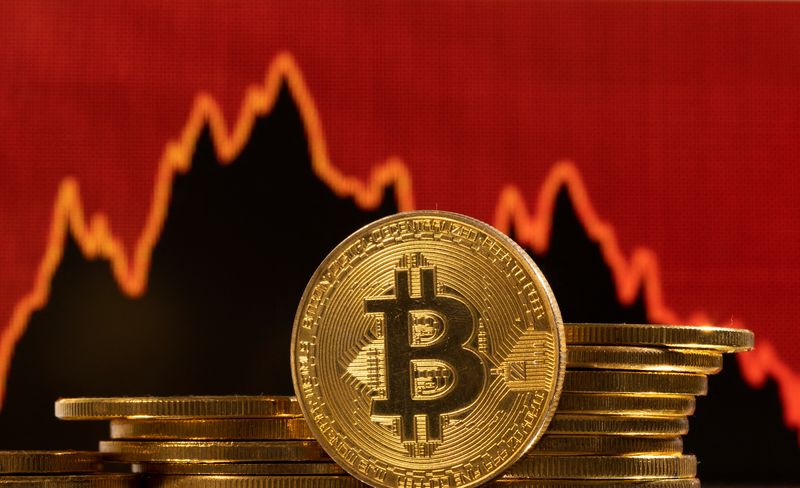
Bitcoin held below $77,000, down 0.1% at $76,818.9 after four straight sessions of losses as geopolitical तनाव around Iran, elevated oil prices above $100 a barrel, and higher U.S. yields pressured risk assets. Ethereum rose 0.4% to $2,125.60, while XRP fell 0.7% to $1.38 and Dogecoin dropped 1.6%. The article emphasizes that ETF inflows and institutional demand remain supportive, but near-term crypto pricing is being driven by inflation and interest-rate fears tied to the Middle East conflict.
The market is repricing crypto less as a standalone asset class and more as a duration-sensitive proxy for liquidity. The key second-order effect is that higher oil prices can pressure real yields and extend the “higher for longer” narrative, which tends to compress multiples on the most momentum-driven parts of crypto first; that means beta-heavy altcoins should underperform BTC even if headline sentiment stabilizes. In that regime, ETF flows matter less as a directional catalyst and more as a buffer against forced deleveraging.
The bigger setup is that geopolitics is creating a cross-asset correlation spike: energy up, yields up, risk assets down. That usually hurts retail-led crypto faster than institutional BTC, because the marginal buyer becomes more rate-sensitive and less willing to chase weekend gaps after a multi-session drawdown. If oil stays elevated for 2-4 weeks, expect implied vol across crypto to rise before spot breaks materially lower, creating better entry points for hedged structures than outright spot longs.
Contrarian view: the market may be overestimating the persistence of the inflation shock if the conflict remains contained and energy supply is not physically interrupted. In that case, BTC can snap back quickly because positioning is still structurally supported by ETF demand and because crowded defensive hedges get unwound once rate fears ease. The most attractive asymmetry is not chasing downside in BTC, but fading the weakest altcoin tape where liquidity is thinner and funding can flip fastest.
HSDT is effectively a non-factor here; the read-through is macro beta, not single-name fundamentals. If this was a broader crypto basket, the relative loser set is the high-beta, low-liquidity names, while BTC retains the cleanest institutional bid if macro stress proves temporary.
AI-powered research, real-time alerts, and portfolio analytics for institutional investors.
Request DemoOverall Sentiment
mildly negative
Sentiment Score
-0.15
Ticker Sentiment
