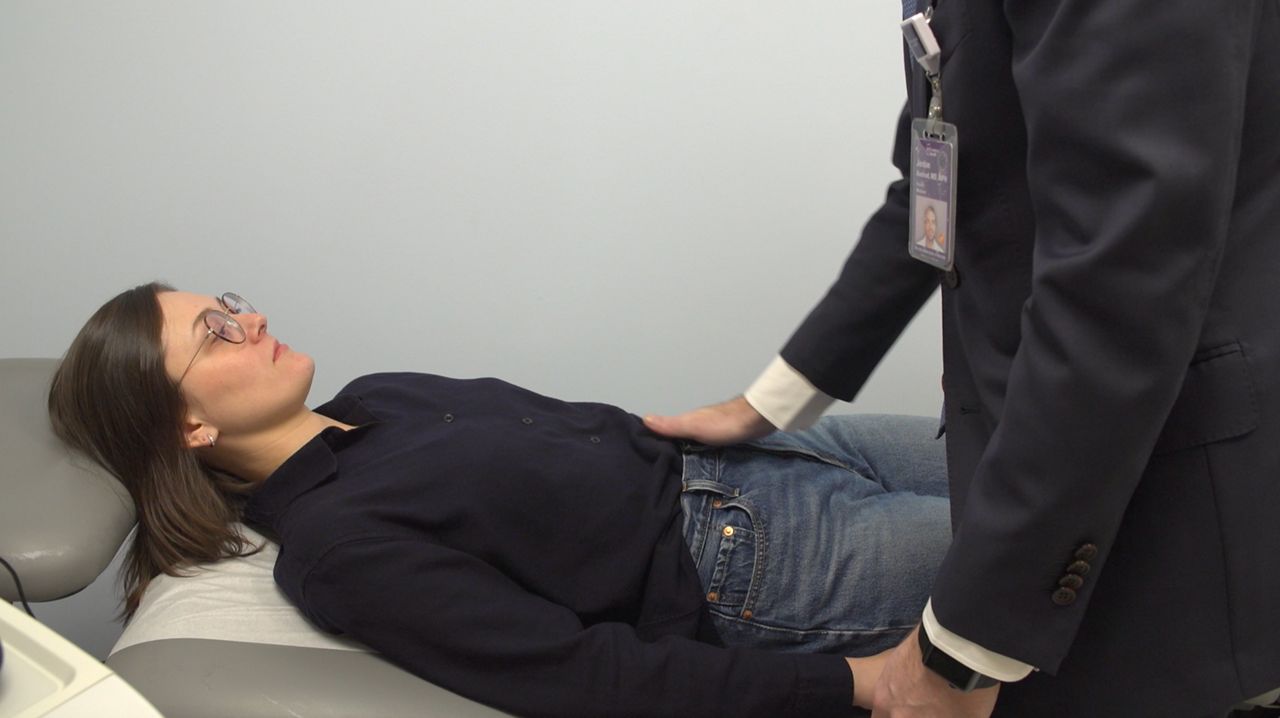
A study of more than 54,000 people with inflammatory bowel disease found low-grade precancerous lesions confer a 3.5x higher risk of colorectal cancer and over 40% of patients with high-grade dysplasia progressed to colorectal cancer within a short timeframe. The findings informed clinical decisions—one 23‑year‑old patient elected prophylactic colectomy with a j‑pouch and avoided cancer, restoring quality of life. Clinicians urge attention to symptoms (rectal bleeding, weight loss, abdominal pain, bowel habit changes) to guide screening frequency and interventions.
This study creates a sharper risk stratification axis for IBD patients that is actionable for payers, hospital systems, and device suppliers: higher-grade dysplasia drives a deterministic clinical response (more frequent surveillance, earlier therapeutic colectomy) which should lift demand for high-quality colonoscopy capacity, advanced imaging adjuncts, and surgical devices in the next 6–24 months. Expect the immediate market impact to be concentrated in tertiary GI centers and large IDN systems that can scale chromoendoscopy/AI-assisted workflows; these centers will capture incremental revenue per patient via more frequent procedures and pathology throughput.
Second-order winners are firms that sell endoscopes, single-use disposables, imaging/AI CADe/CASe tools, and OR equipment used in restorative proctocolectomy and j‑pouch construction; their near-term upside is operational (utilization and service revenue) rather than drug-revenue expansion. Conversely, businesses whose growth assumptions rely on a sustained pool of undiagnosed, late-stage CRC patients (certain diagnostics and late-line oncology franchises) face a slower structural demand curve if prophylactic surgeries and earlier detection rise meaningfully over years.
Key catalysts and risks: guideline and CMS reimbursement updates (AGA, ASCO, CMS) over 12–24 months are the primary triggers that convert this evidence into volume; capacity constraints (anesthesia, endoscopy suites, trained endoscopists) create an adoption bottleneck that can amplify pricing power for equipment-leasing and service providers in the near term. Tail risks that would reverse the thesis include a validated, widely reimbursed non‑invasive biomarker specific to IBD-associated progression or slower-than-expected guideline uptake confined to academic centers, which would blunt demand for devices and surgery.
AI-powered research, real-time alerts, and portfolio analytics for institutional investors.
Request DemoOverall Sentiment
mildly positive
Sentiment Score
0.15
