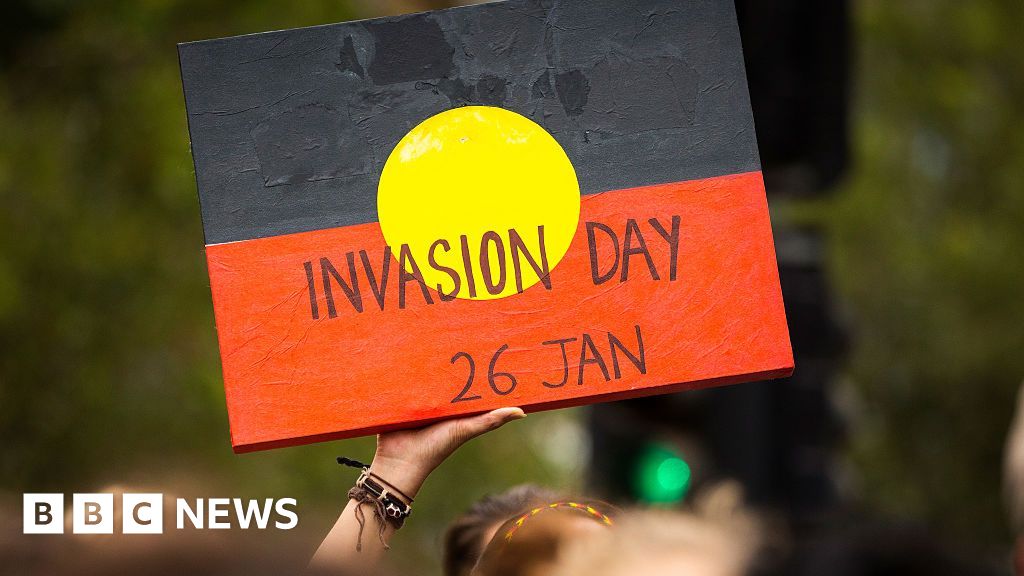
A 31-year-old man has been charged with terrorism after allegedly hurling a homemade explosive filled with ball bearings and screws into a crowd of about 2,500 people protesting Australia Day in Perth; the device failed to detonate. Authorities say the attack was racially motivated, the suspect was self-radicalized and acted alone, and the new terrorism charge — the first in Western Australia — carries a maximum penalty of life imprisonment; AFP and ASIO are involved and the suspect is remanded with a next court appearance on 17 February. The incident increases domestic-security and legal scrutiny but is unlikely to have direct material market implications.
Market structure: Immediate winners are cybersecurity and defense contractors that sell analytics/surveillance to governments and large institutions (expect differentiated pricing power and tender volume growth of ~5–15% revenue tail over 12–24 months if policy response follows). Direct losers are local tourism/leisure operators in WA and event insurers; expect near-term revenue hit for regional airline exposures and hospitality in Perth of ~3–7% over the next quarter if protests and cancellations persist.
Risk assessment: Tail risks include copycat attacks or sustained unrest that materially depresses domestic travel and consumer confidence (stress scenario: 10%+ regional tourism decline for two quarters). Near-term (days) is news-flow volatility; short-term (weeks–months) hinges on ASIO/federal responses and state budgets; long-term (1–3 years) depends on procurement cycles (12–36 months) actualizing security spend. Hidden dependency: capital contracting lag — markets may price wins long before revenue shows up.
Trade implications: Favor tactical exposure to cyber/defense (3–12 month horizon) and defensive bonds if risk-off widens; tactically underweight/hedge Australian travel/leisure names for 1–3 months. Use options to limit drawdowns: buy 3–6 month call spreads on cyber names and 1–3 month puts on regional airlines. Entry window: initiate within 1–4 weeks; trim/reevaluate at budget clarity (Australian federal budget typically in May) or on any tender announcements >A$50–100m.
Contrarian angles: The market may overpay for immediate “security” winners because procurement is slow — don’t pay for permanent growth; prefer buys on dips and capped allocations (1–2% each). Historical analogue: post-terror re-rating in 2015–2016 favored cyber/defense over 12–24 months but with 20–30% interim drawdowns; monitor ASIO briefings and state budget line-items (>A$50m) as binary catalysts.
AI-powered research, real-time alerts, and portfolio analytics for institutional investors.
Request DemoOverall Sentiment
moderately negative
Sentiment Score
-0.35
