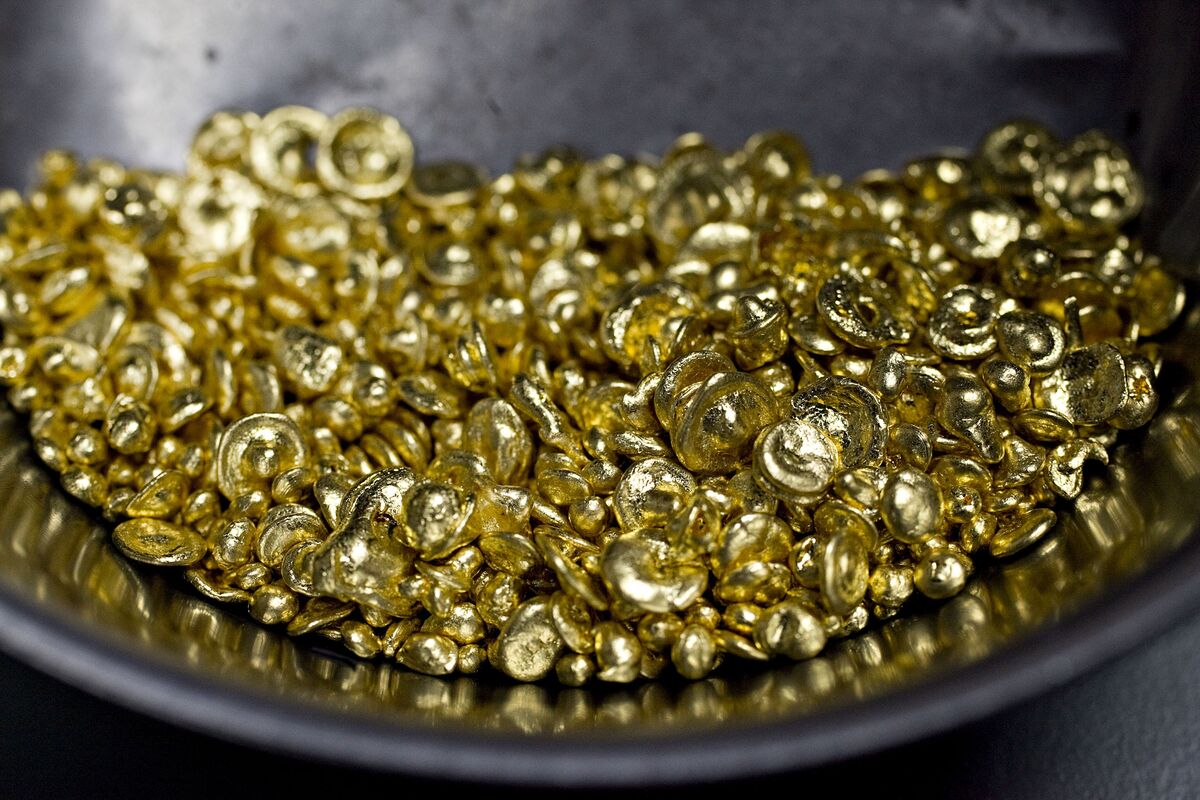
The Federal Reserve cut its benchmark interest rate by a quarter percentage point, the first reduction since December, and projected two more cuts this year, citing growing signs of labor market weakness despite acknowledging elevated inflation. Following the decision, gold fluctuated near record highs, the S&P 500 climbed, Treasury yields reversed their earlier ascent, and the dollar extended its decline.
The Federal Reserve has initiated an easing cycle, cutting its benchmark rate by a quarter percentage point and forecasting two additional reductions this year. This dovish shift, attributed to 'growing signs of weakness in the labor market,' triggered a classic risk-on market response: the S&P 500 climbed, Treasury yields fell after an initial rise, and the dollar extended its decline. However, the Fed's policy statement contains a notable tension, as policymakers also acknowledged that inflation 'remains somewhat elevated.' This internal conflict between supporting a weakening labor market and managing persistent inflation introduces uncertainty into the future pace of easing. Gold, a key non-yielding asset, responded by fluctuating near record highs, indicating that while lower rates and a weaker dollar are fundamentally supportive, the market is also weighing the implications of the Fed's mixed economic assessment.
AI-powered research, real-time alerts, and portfolio analytics for institutional investors.
Request DemoOverall Sentiment
moderately positive
Sentiment Score
0.40
