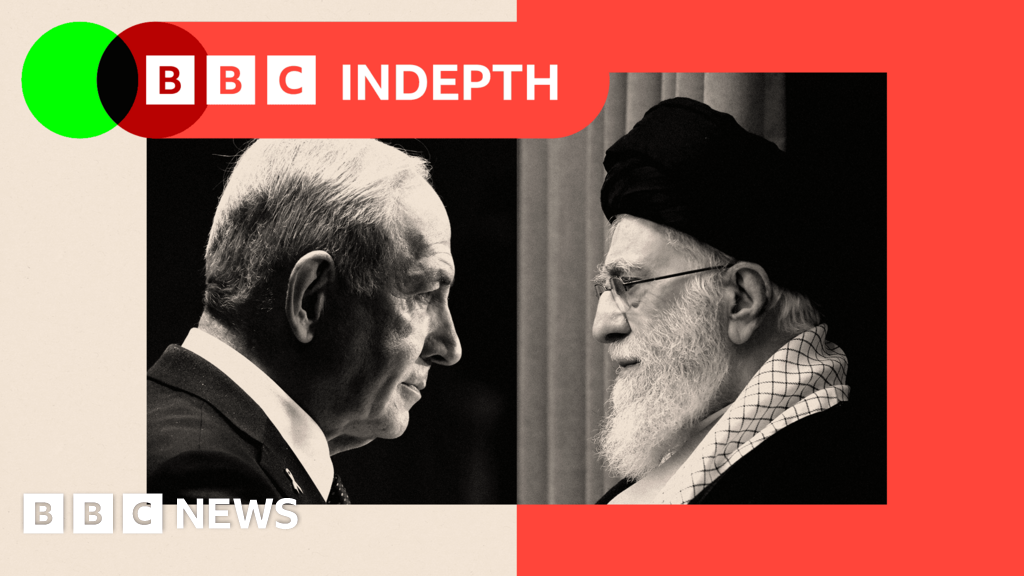
Following unprecedented Israeli strikes on Iran, Prime Minister Netanyahu has directly addressed Iranians, hinting at a broader goal beyond merely curbing Iran's nuclear program, possibly regime change, while also aiming to derail US-Iran nuclear talks. Despite condemnation from international bodies and legal scholars, Israel has targeted key Iranian nuclear facilities and scientists, widening its targets to include economic and oil facilities, with the ultimate objective of crippling Iran's nuclear capabilities, particularly at the Fordow site. The situation's trajectory and ultimate outcome remain uncertain, heavily dependent on the actions and involvement of the United States and President Trump's evolving stance.
The escalating military confrontation between Israel and Iran, marked by unprecedented Israeli strikes, signals a period of heightened geopolitical instability with significant market implications, underscored by a 'strongly negative' sentiment and a 'high' market impact score of 0.75. Israeli Prime Minister Netanyahu's objectives appear multifaceted: directly crippling Iran's nuclear program, as evidenced by attacks on key facilities like Natanz (where a pilot fuel enrichment plant was destroyed), Isfahan (four 'critical buildings' damaged), and attempts to neutralize Fordow, alongside assassinating nuclear scientists and military commanders. Furthermore, Netanyahu's rhetoric hints at a broader ambition of regime change in Iran and a clear intent to derail any renewed US-Iran nuclear negotiations, with the Oman-mediated talks now considered 'dead for the time being' following strikes on the 61st day of a US-imposed 60-day negotiation window. Israel's target list is expanding beyond nuclear and military sites to include economic and oil facilities, prompting Iranian retaliation and mounting civilian casualties, thereby increasing the risk of a wider regional conflict. The International Atomic Energy Agency (IAEA) has condemned attacks on nuclear facilities, and legal scholars have questioned the legality of the strikes. The ultimate trajectory of this conflict remains highly uncertain, critically dependent on the unpredictable stance of the US administration, particularly President Trump, whose actions are seen as pivotal in determining outcomes and potential de-escalation points. The situation suggests a complex interplay of military objectives, diplomatic maneuvering, and psychological warfare, with substantial risks for regional stability and global energy markets.
AI-powered research, real-time alerts, and portfolio analytics for institutional investors.
Request DemoOverall Sentiment
strongly negative
Sentiment Score
-0.60
Ticker Sentiment
