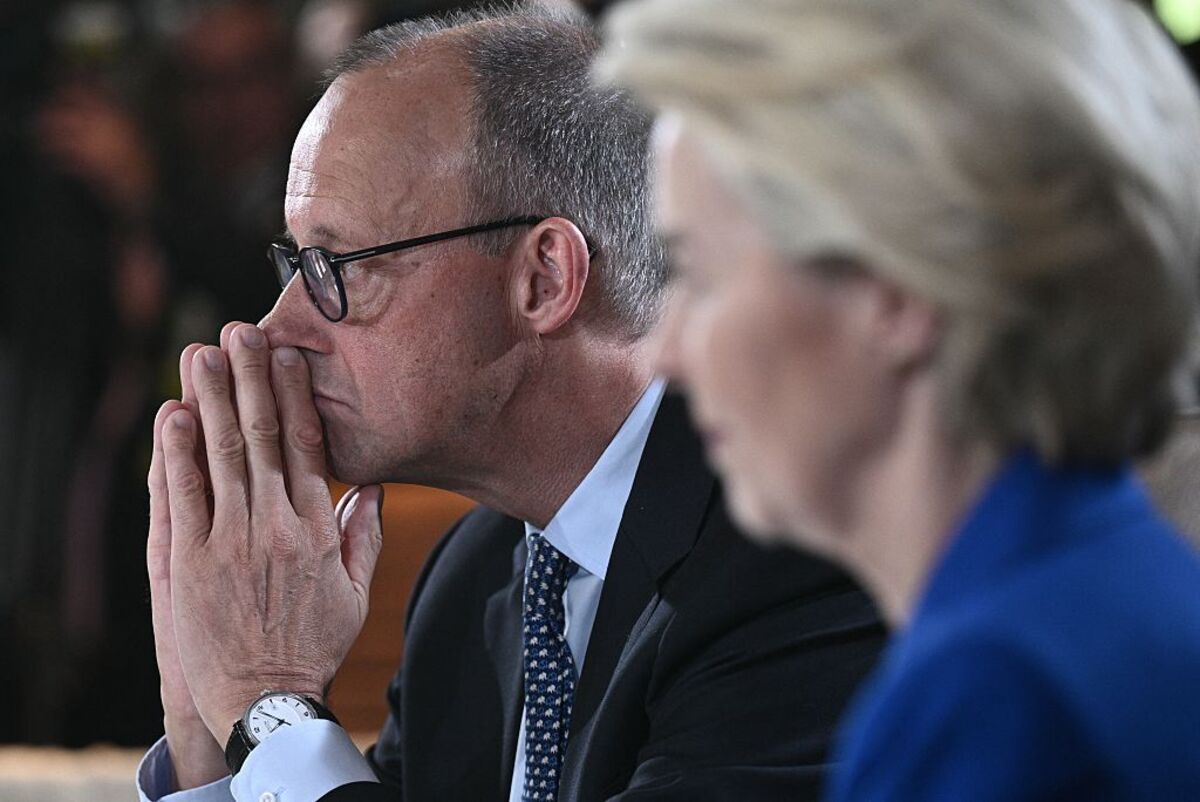
German Chancellor Friedrich Merz has rejected the European Commission's proposed €2 trillion budget expansion, a plan that would obligate Germany, as the EU's largest contributor, to approximately a quarter of the spending, or €500 billion. This swift opposition, voiced shortly after EC President Ursula von der Leyen's announcement, underscores Merz's strategy to assert German leadership by challenging significant EU financial initiatives.
Germany's new chancellor, Friedrich Merz, has immediately rejected the European Commission's proposal to expand the EU budget to €2 trillion, signaling a significant shift in German-EU fiscal relations. This opposition, articulated just hours after the plan's announcement by Commission President Ursula von der Leyen, places Germany's leadership in direct conflict with the EU's expansionary ambitions. As the bloc's largest contributor, Germany would be liable for approximately a quarter of this new spending, amounting to half a trillion euros. This move, occurring less than three months into Merz's term, establishes a confrontational stance and introduces substantial uncertainty regarding the future of large-scale, jointly-funded EU initiatives and the overall fiscal trajectory of the union.
AI-powered research, real-time alerts, and portfolio analytics for institutional investors.
Request DemoOverall Sentiment
mixed
Sentiment Score
0.00
