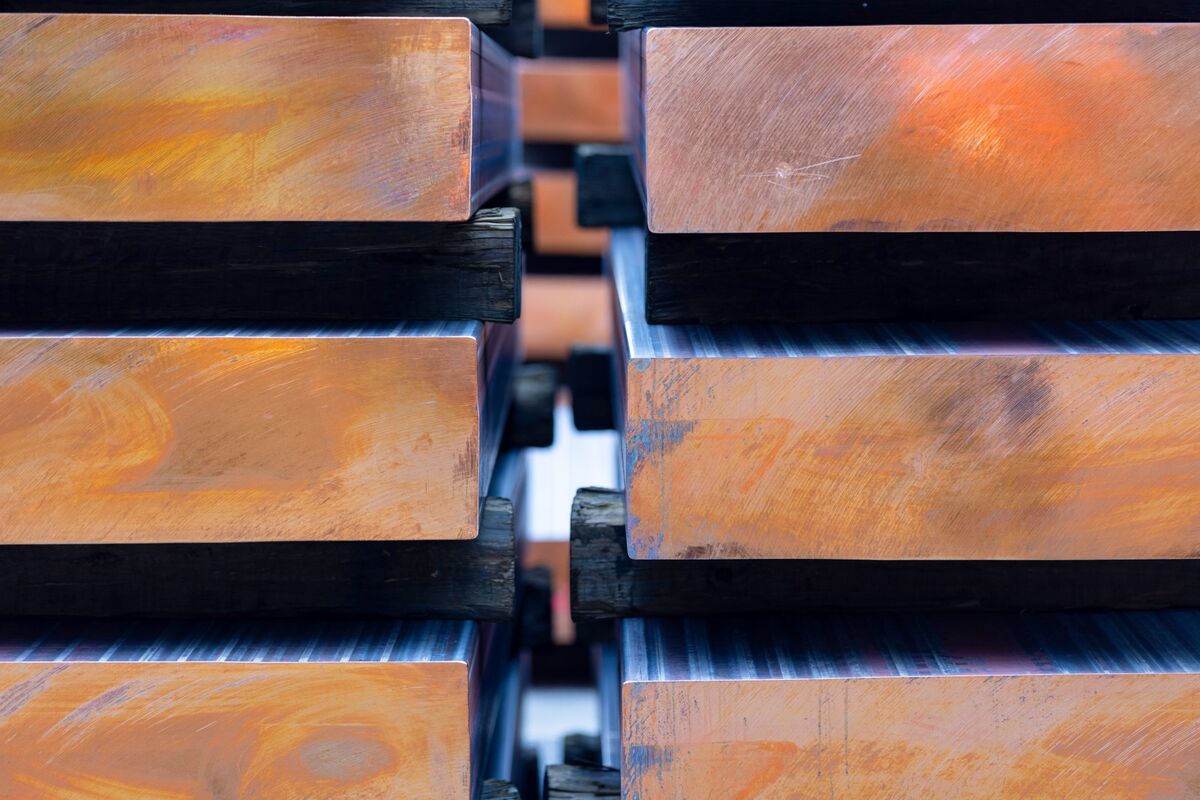
Copper prices advanced as the dollar weakened and the U.S. prepared to implement a 50% tariff on copper imports, effective Friday. This higher-than-expected tariff, intended to revive domestic mining and refining, is contributing to market turmoil despite a lack of detailed implementation guidance, suggesting ongoing volatility and potential supply chain impacts in the global copper market.
Copper prices are experiencing upward pressure, driven by a confluence of a weakening U.S. dollar and significant trade policy changes. The primary catalyst is the impending implementation of a higher-than-expected 50% tariff on U.S. copper imports, scheduled to take effect from Friday. This policy, aimed at revitalizing domestic mining and refining, has injected considerable turmoil and uncertainty into the global market. The lack of specific details beyond the headline tariff rate is exacerbating volatility, as market participants are unable to fully price in the operational and supply chain impacts. This situation creates a tense environment where prices are reacting more to policy headlines and currency fluctuations than to fundamental supply and demand, signaling a period of heightened price risk and erratic trading until further clarification is provided by the administration.
AI-powered research, real-time alerts, and portfolio analytics for institutional investors.
Request DemoOverall Sentiment
mildly negative
Sentiment Score
-0.30
