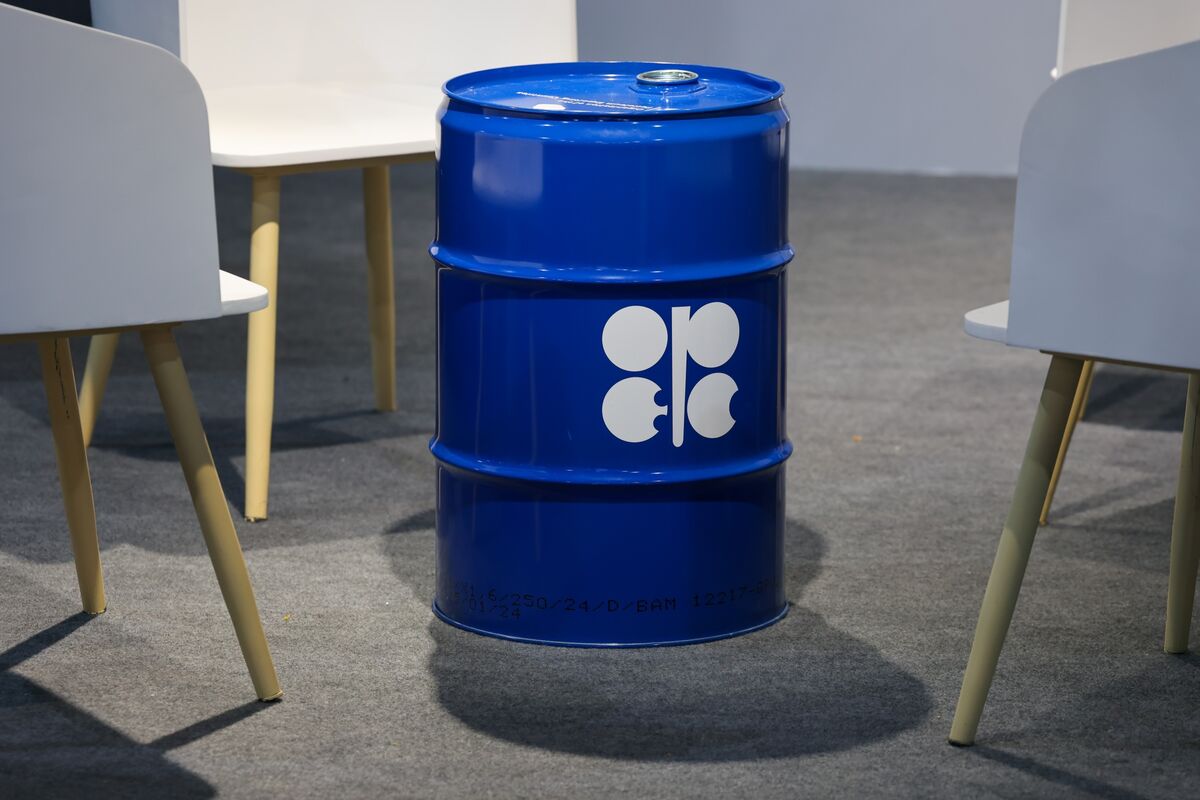
Oil prices declined after OPEC+ agreed to a larger-than-expected production increase of 548,000 barrels per day next month, putting the group on track to unwind its output cuts a year earlier than planned. This move fueled concerns about potential oversupply, compounded by existing fears regarding demand outlook exacerbated by US tariffs.
Oil prices have reacted negatively to the OPEC+ decision to increase production by a larger-than-expected 548,000 barrels per day next month. This development has triggered a decline in crude benchmarks, with Brent sliding 1.4% toward $67 a barrel and West Texas Intermediate falling below $66, reflecting immediate market concerns over a potential supply glut. The strategic significance of the move is twofold: it not only introduces more supply in the near term but also signals a faster unwinding of production cuts, putting the group on track to reverse its curbs a year ahead of schedule. This supply-side pressure is compounded by pre-existing fears regarding the global demand outlook, which are being intensified by US tariffs. The convergence of a tangible supply increase with anxieties over weakening demand creates a decidedly bearish fundamental backdrop for the commodity.
AI-powered research, real-time alerts, and portfolio analytics for institutional investors.
Request DemoOverall Sentiment
strongly negative
Sentiment Score
-0.70
