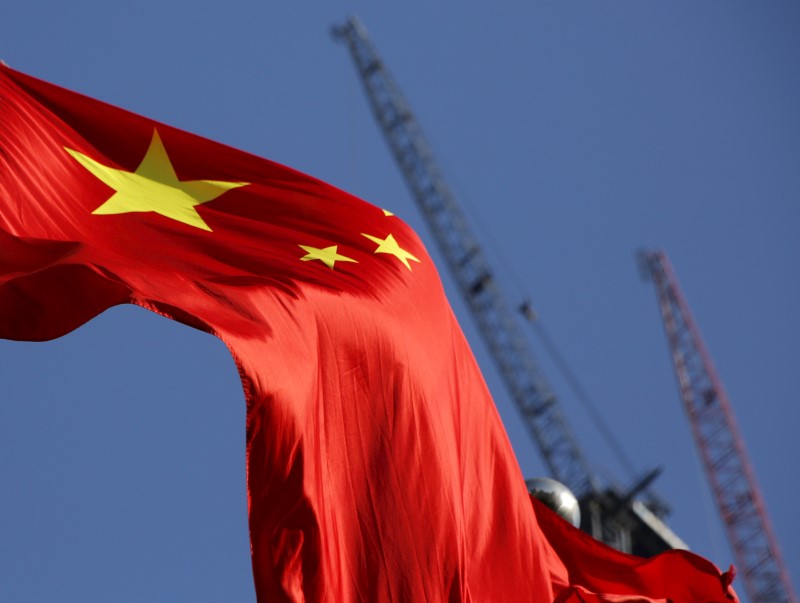
Manufacturing PMI rose to 50.4 in March (vs 50.1 consensus and 49.0 prior), a 140bp rebound from February, while non-manufacturing PMI climbed to 50.1 (vs 49.9 consensus and 49.5 prior), the first services expansion since December. The prints point to improving Chinese demand supported by stimulus, steadier capacity and strong external orders; private PMI is due Wednesday for a fuller read. Headline geopolitical risk sent Brent briefly near $115, which could add upside to energy prices and import-cost inflation risks.
A modest up-tick in Chinese industrial and services momentum — if it persists — tends to transmit into commodity markets through three channels: higher refinery runs in Asia, firmer seaborne bulk flows, and stronger import demand for feedstocks. Historically, that combination nudges seaborne crude and product draws in the high hundreds of kbpd to low mbpd range over the following 1–3 quarters, steepening time spreads and widening regional cracking differentials more than headline price moves.
Separately, incremental geopolitical risk to Middle East energy infrastructure compresses physical optionality (insurance, crew risk, reroutes) and amplifies near-term volatility: days-weeks spikes in futures and freight can occur well ahead of any multi-month supply shortfall, making calendar spreads and short-dated convexity trades particularly profitable. Market structure matters — if front-month contango expands, owners of storage and integrated players with blending flexibility capture outsized returns relative to pure producers.
Net effect is asymmetric: US onshore producers can monetize higher differentials quickly via hedges and slim OPEX leverage, while Asian refiners and trading houses capture margin through throughput and product exports but face inventory carry risk. Key near-term reversals are more likely from a policy-driven Chinese demand pullback or diplomatic de-escalation; medium-term risk includes OPEC+/supply response and an acceleration of structural fuel substitution that mutes future upside.
AI-powered research, real-time alerts, and portfolio analytics for institutional investors.
Overall Sentiment
mildly positive
Sentiment Score
0.25
