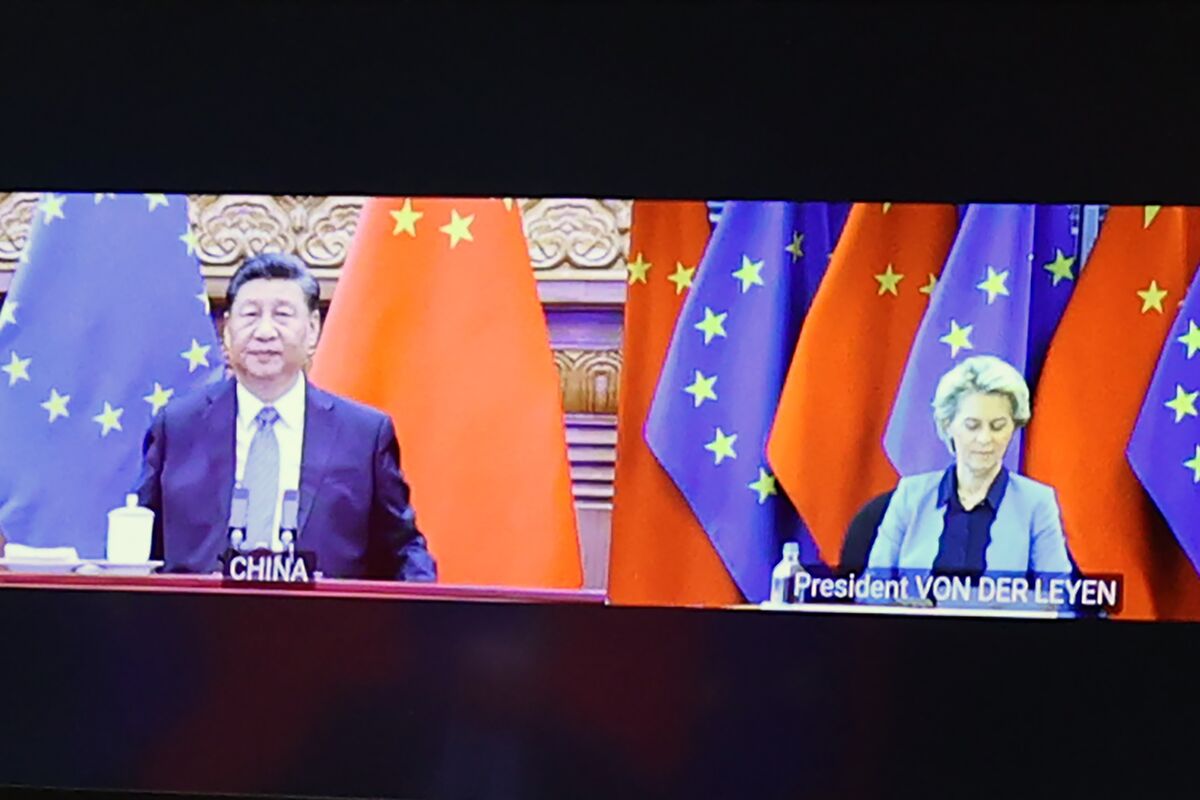
The European Union and China are poised to sign a joint climate cooperation statement in Beijing on Thursday, with Commission President Ursula von der Leyen, Council President Antonio Costa, and President Xi Jinping set to ink the declaration. This landmark agreement is anticipated to galvanize global climate momentum ahead of the COP30 summit in Brazil, signaling significant policy alignment between two major economic blocs and potentially influencing investment flows into climate-related sectors.
The European Union and China are signaling a significant geopolitical alignment on climate policy through a planned joint statement, a landmark move designed to build momentum ahead of the COP30 summit. The involvement of top leaders, including Commission President Ursula von der Leyen and President Xi Jinping, underscores the high-level commitment to this cooperation. While the immediate market impact is assessed as low, the declaration is a critical development for the ESG and climate policy investment theme. This alignment between two major economic blocs could foster a more predictable regulatory environment for green technologies, potentially channeling significant long-term investment flows into sectors like renewable energy and sustainable infrastructure. The optimistic tone of the announcement suggests a potential positive catalyst for climate-related assets, though the ultimate impact will depend on the specific commitments and follow-on actions.
AI-powered research, real-time alerts, and portfolio analytics for institutional investors.
Request DemoOverall Sentiment
mildly positive
Sentiment Score
0.30
