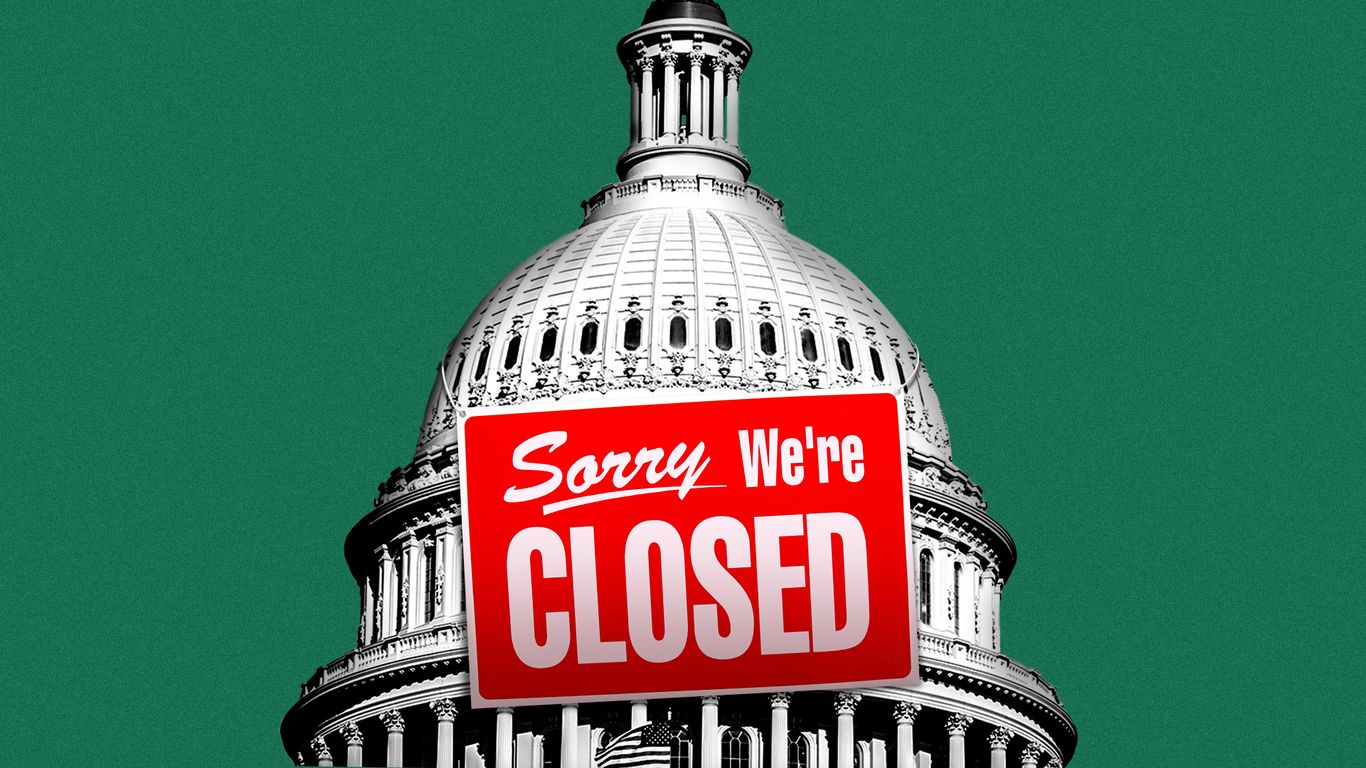
The ongoing federal government shutdown is initiating economic strain, particularly in areas with significant federal employment such as Columbus, Ohio, where 15,400 federal workers face missed paychecks. While major operations like the Defense Supply Center Columbus are largely unaffected, the uncertainty surrounding critical social safety net programs beyond October and anticipated disruptions to air travel efficiency highlight growing economic and operational concerns that will escalate with the shutdown's duration.
The federal government shutdown is creating localized economic distress with the potential for broader contagion, exemplified by the situation in Columbus, Ohio. An estimated 15,400 federal workers in the region face potential missed paychecks, directly threatening consumer stability and prompting local officials to prepare for increased demand on social services. A critical forward-looking risk is the uncertainty surrounding the funding of social safety net programs like SNAP and WIC beyond October, which could amplify economic hardship if the shutdown is prolonged. While the Defense Supply Center Columbus, a major regional employer with an approximate $400 million payroll, remains largely operational and insulates the local economy from a more severe immediate shock, other sectors are signaling impending disruption. The air travel industry, in particular, is bracing for reduced efficiency and longer passenger wait times, indicating friction that could impact national logistics and transportation sector performance. The situation reflects a moderately negative but uncertain economic outlook, where the duration of the political impasse is the primary variable determining the severity of the economic impact.
AI-powered research, real-time alerts, and portfolio analytics for institutional investors.
Overall Sentiment
moderately negative
Sentiment Score
-0.50
