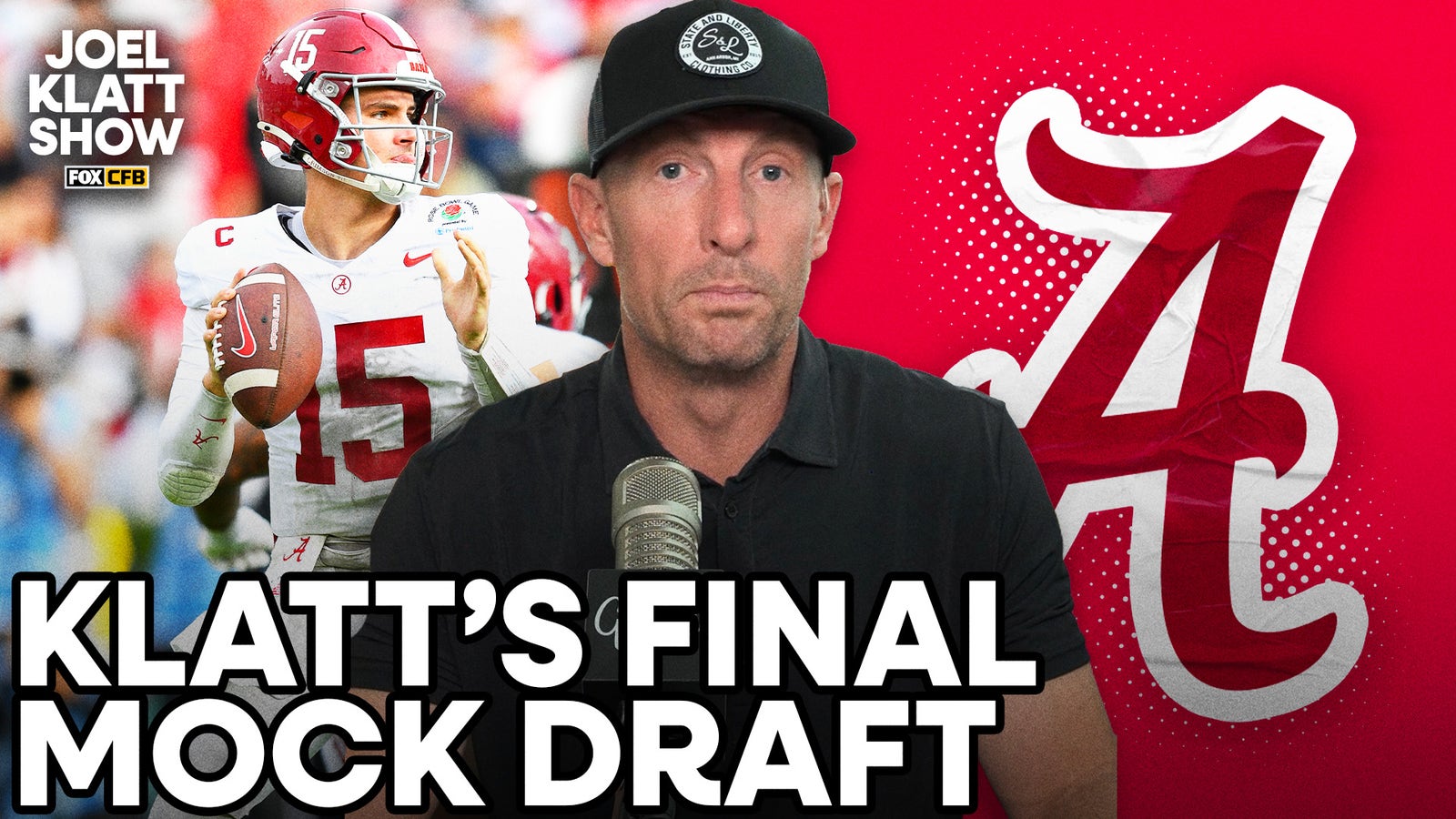
The article is a draft-analysis feature highlighting pro comparisons for top 2026 NFL prospects, including Fernando Mendoza, Carnell Tate, Caleb Downs, David Bailey, Ty Simpson, Sonny Styles, Rueben Bain and Avieon Terrell. It is descriptive rather than event-driven and contains no financial results, corporate developments or market-moving updates. Market impact is minimal, with the main relevance limited to media coverage of the NFL draft and associated players.
This is less a draft preview than a soft-marketing event for the NFL’s “brand blue-chip” cohort, and the second-order effect is a modest but real reinforcement of the league’s top-end talent premium. The comp set is skewed toward stable, high-recognition archetypes, which tends to help the highest-profile college programs monetize expectation rather than reveal true variance; in practice, that narrows the market’s perceived range of outcomes and can inflate early narrative-driven valuations around these players if/when they enter fantasy, betting, or endorsement ecosystems. The key investable implication is not the article itself, but the transference of draft buzz into adjacent media, sportsbooks, and licensed merchandise demand over the next 4-8 weeks. If one or two of these names become consensus “safe” or “pro-ready,” the market usually shifts from speculative upside to quality-premium pricing: higher jersey, ticket, and content conversion for the associated schools and conferences, while more volatile prospects lose attention share. That favors incumbents with large NIL/college-fan bases and league-wide media distributors rather than any single player-specific outcome. Contrarian read: the consensus is probably underestimating how much this class’s value depends on landing spot and scheme, not talent comp narrative. Several of these players are being framed as system-optimized, which means their early career outcomes will be highly sensitive to coaching fit and surrounding infrastructure; that creates a bigger dispersion in rookie-year performance than the comp language implies. The market often overpays for “plug-and-play” labels immediately after draft week, then mean-reverts once preseason usage and depth charts reveal who can actually command snaps. From a risk standpoint, the main reversal catalyst is a post-draft reality check: if the top quarterbacks land in unstable organizations or the defensive prospects go to schemes that don’t feature their specific skill sets, the hype cycle can fade within 30-90 days. For media and betting exposures, that suggests the best trade is often pre-draft enthusiasm into the event, then fading the most narrative-heavy names if landing spots disappoint.
AI-powered research, real-time alerts, and portfolio analytics for institutional investors.
Request DemoOverall Sentiment
neutral
Sentiment Score
0.05
