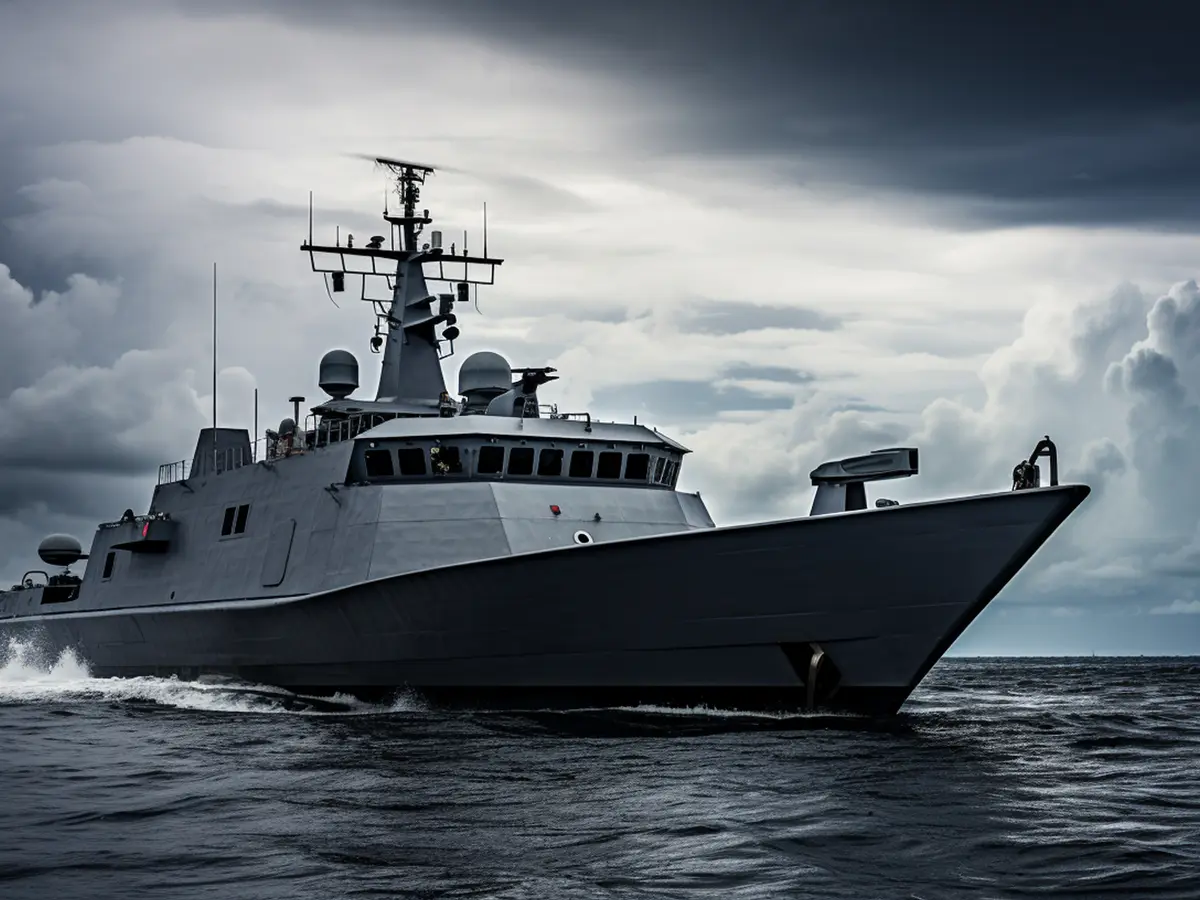
Widespread protests in Iran over a deepening economic crisis have left more than 500 dead, and U.S. President Donald Trump has warned of potential military intervention if Iranian forces continue to kill peaceful protesters. The article highlights the prospect of direct conflict with Tehran and outlines which side would have naval superiority if war breaks out, signaling elevated geopolitical risk for the region. Hedge funds should weigh heightened tail-risk to regional stability, potential disruptions to shipping and emerging-market risk premia, and increased sensitivity in defense and energy-exposed assets.
Market structure will favor US defense primes (Lockheed LMT, Northrop NOC) and integrated oil majors (XOM, CVX) as geopolitical risk-premia bid pricing power and near-term revenues; losers include EM equities (EEM), regional airlines/shipping lines and insurers exposed to Gulf tanker routes. A closure or repeated harassment of the Strait of Hormuz would immediately reroute ~20% of seaborne crude and lift Brent risk-premium by an estimated $5–$20/bbl over days–weeks, tightening refined-product supply and raising tanker freight/insurance costs.
Tail risks include a low-probability Iran-US kinetic escalation that cuts >10% of crude flows (Brent +30–80% within 1–2 weeks) or broad sanctions that freeze regional FX/sovereign funding channels; immediate window (0–14 days) is highest volatility, 1–6 months sees tactical budget/defense spend shifts, while 1–3 years could reprice regional risk premia permanently. Hidden dependencies: shipping insurance pricing, refinery margins (product crack spreads), and Fed reaction to commodity-driven inflation which can invert the safe-haven response.
Trading implications: prefer tactical 3–6 month directional exposure—long LMT/NOC equity or 6-month call spreads, 3-month Brent call-spreads or XOM/CVX calls, and safety overlays (TLT, GLD). Reduce EEM weight and buy short-dated volatility (VIX) or shipping disruption hedges; size triggers: add if Brent >$85 or US deploys ≥2 carrier strike groups to region within 14 days.
Contrarian: consensus may overshoot defense longs; past Iran tension episodes (2019–20) caused sharp oil spikes that largely mean-reverted in 2–4 months once shipping adapted. If escalation remains limited to protests and proxy strikes, defense equities could be overbought and oil overshot—look for >+25% moves in defense stocks vs. fundamentals as a sell signal.
AI-powered research, real-time alerts, and portfolio analytics for institutional investors.
Request DemoOverall Sentiment
moderately negative
Sentiment Score
-0.55
