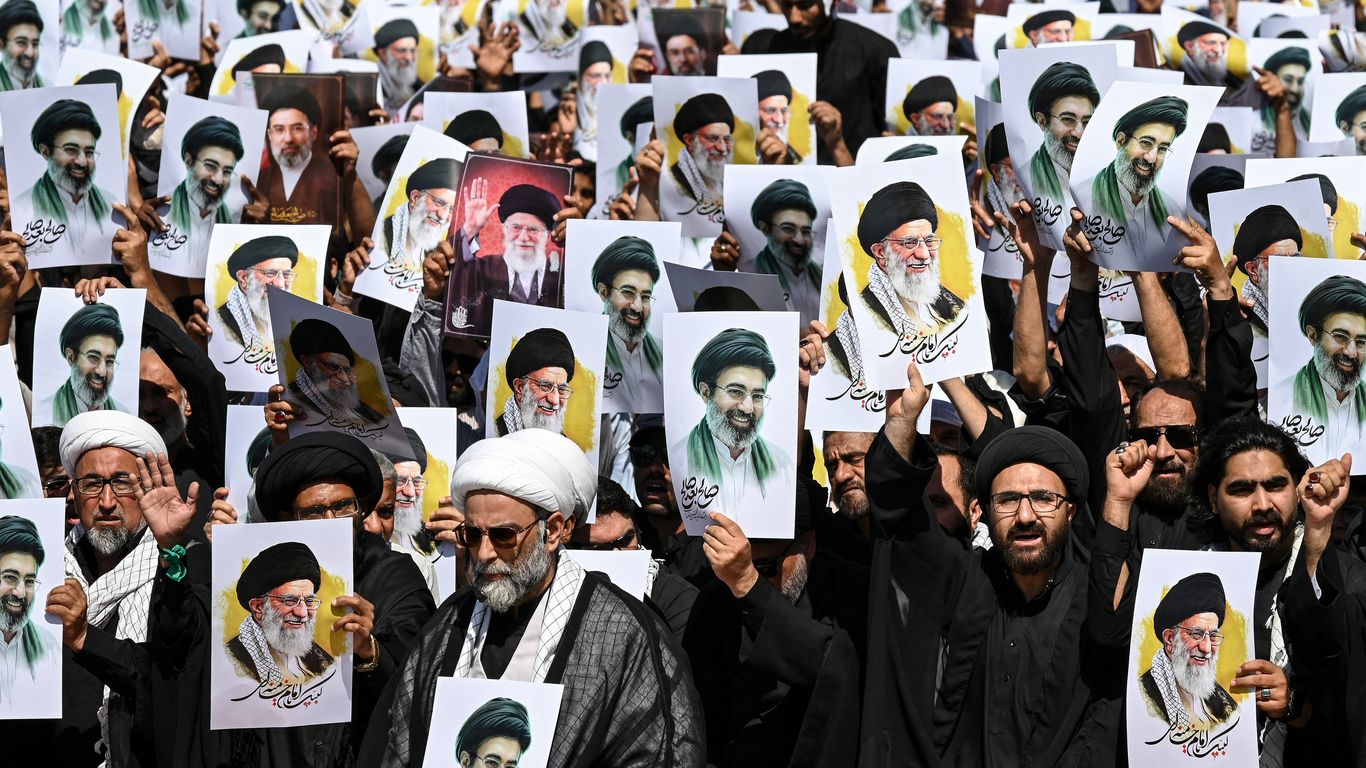
Two-week ceasefire was agreed after Iranian Supreme Leader Mojtaba Khamenei reportedly instructed negotiators to move toward a deal, averting an imminent U.S. bombing campaign and potential large-scale retaliation. U.S. forces were ordered to stand down 15 minutes after President Trump’s public acceptance, and Iran said it would open the Strait of Hormuz to vessels operating in coordination with its armed forces, underscoring near-term relief for shipping and energy routes. Key risks remain: gaps between U.S. and Iranian objectives, Israeli adherence to the ceasefire, and the prospect of talks Friday led by Vice President Vance that could determine whether the conflict resumes.
Markets are now pricing a higher baseline of episodic geopolitical volatility that manifests primarily through energy and maritime risk premia. A renewed “risk premium” on crude could plausibly add $8–15/bbl intra-month in a flare-up scenario via tightened physical flows and higher insurance/freight costs; conversely a durable diplomatic stabilization should deflate that premium by a similar magnitude within 2–6 weeks as forward curves normalize.
Second-order winners include owners of tankers and integrated producers that capture widened crude differentials and freight spikes, while container lines and airlines carry the direct cost hit from higher marine insurance and rerouted voyages; a sustained 10–20% rise in spot freight translates into a 20–40bp upwards impulse to near-term headline inflation if sustained for a quarter. Defense primes stand to see c.3–12 month order acceleration, but procurement is lumpy — equity moves will be front-loaded on headline contract announcements rather than smooth revenue trajectories.
Key near-term catalysts to watch are (1) shipping lane openness via AIS traffic and port call frequency, (2) short-term Brent curve shape (front-month vs 6-month spread), (3) marine insurance premium prints (P&I league updates/reinsurance pricing), and (4) sovereign/Credit spread moves in regional banks; a clear set of diplomatic, binding guarantees would unwind risk premia within days, while kinetic strikes on energy infrastructure would ratchet them higher for months to years.
AI-powered research, real-time alerts, and portfolio analytics for institutional investors.
Overall Sentiment
mixed
Sentiment Score
0.00
