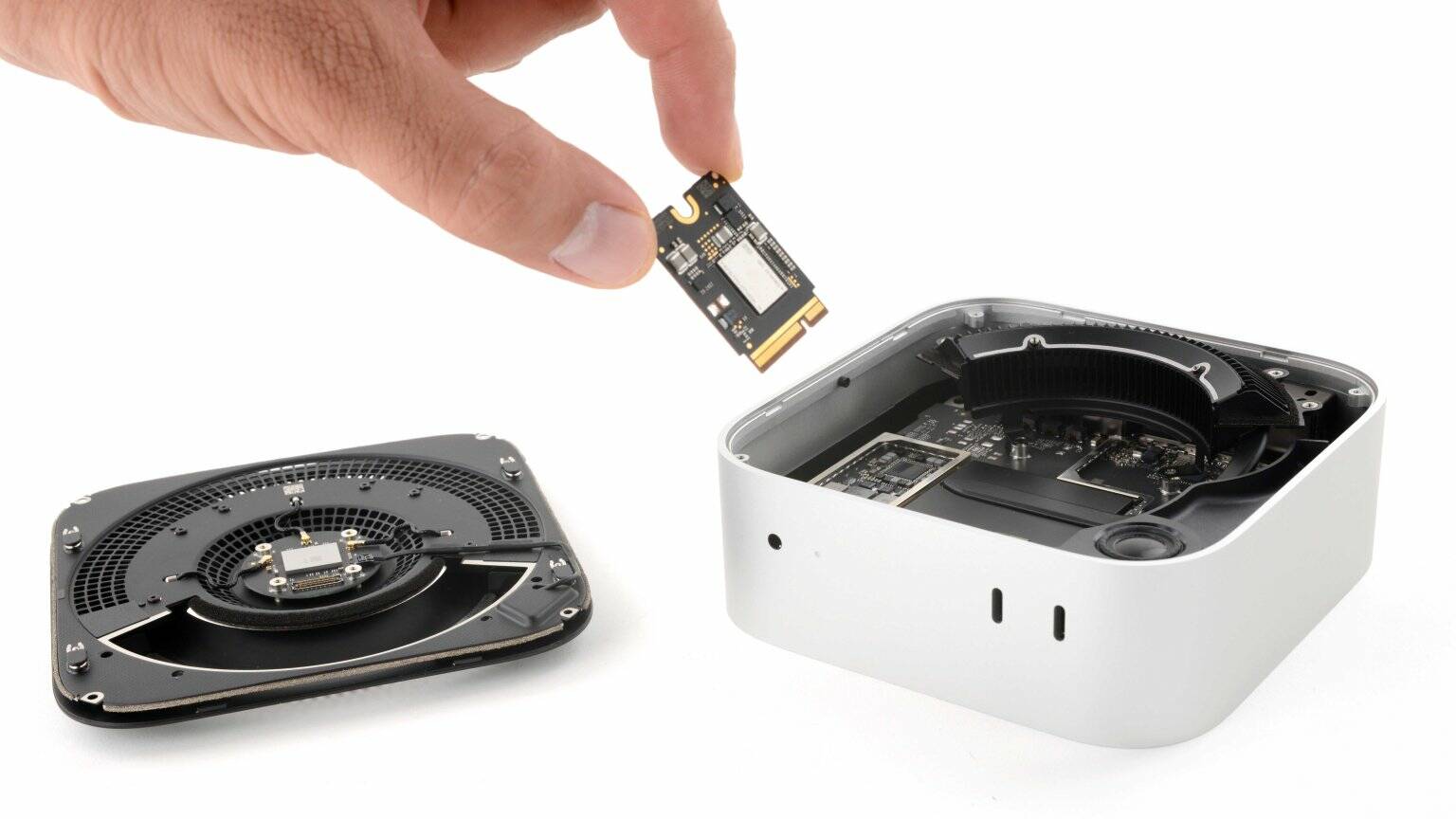
Apple raised the Mac Mini starting price to $799 after discontinuing the $599 256 GB model, making the Mac Mini no longer Apple's cheapest Mac. The move reflects surging DRAM and flash storage costs, which the article links to AI-driven demand across servers and inference platforms, with consumer memory and SSD street prices reportedly up 3x since the start of the year. The higher starting price may modestly pressure Apple’s entry-level Mac demand, but the broader market impact is likely limited.
This is less a one-off pricing move than evidence that AI infrastructure is now transmitting directly into consumer hardware gross margins through memory inflation. The key second-order effect is mix: Apple can offset some unit softness by pushing buyers up the stack, but that only works until elasticity bites in the low-end Mac channel, where the brand usually relies on clean entry pricing to seed ecosystem adoption. If memory stays tight, Apple’s product cadence becomes more important than silicon differentiation because BOM inflation is now a supply-chain problem, not a design problem. The more interesting read-through is to semiconductor memory and storage suppliers: near-term pricing power should remain intact for another 2-3 quarters as AI buyers absorb incremental DRAM/NAND supply faster than consumer OEMs can adjust. That said, Apple is a disciplined buyer and will almost certainly respond by redesigning around higher-capacity SKUs, which can temporarily benefit component vendors but also flatten future demand once OEMs finish their inventory and spec-up cycle. In other words, this is bullish pricing, but not necessarily bullish long-duration units. For Qualcomm, the direct impact is muted, but the broader signal matters: if Apple is forced to keep raising memory content across devices, the premium on on-device AI inference rises. That supports the strategic pitch for more capable edge silicon and could improve the market’s willingness to pay for agentic-device narratives over the next 6-12 months. The contrarian risk is that if consumer demand weakens, Apple may be over-indexing on cost pass-through and could face margin compression later in the cycle rather than immediate volume loss now.
AI-powered research, real-time alerts, and portfolio analytics for institutional investors.
Overall Sentiment
mildly negative
Sentiment Score
-0.25
Ticker Sentiment
