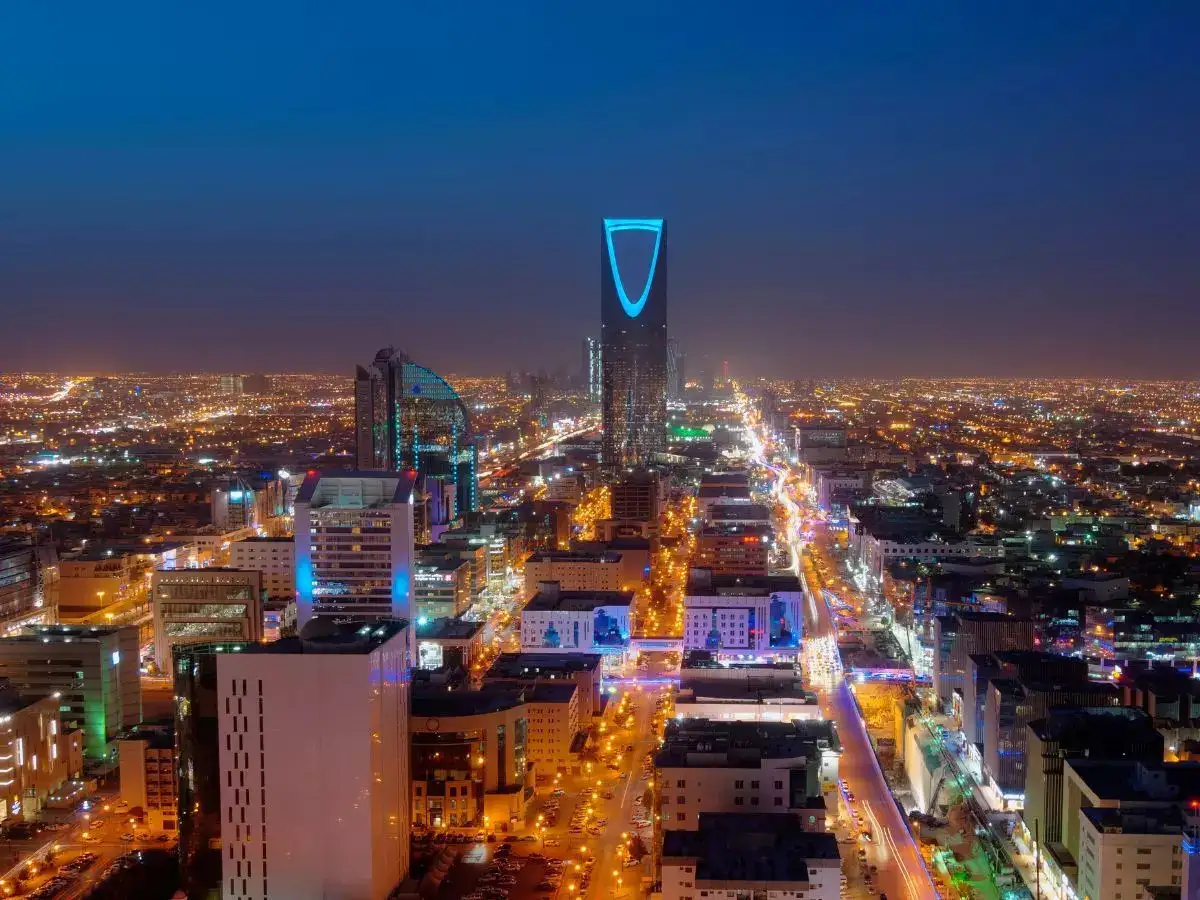
Saudi authorities have quietly eased alcohol access for some non-Muslim foreign residents, allowing premium visa-holders earning at least 50,000 riyals/month (~$13,300) to buy alcohol at the Riyadh diplomatic-quarter shop after residency and salary checks; the premium residency program requires a one-time payment of 800,000 riyals. Since the initial loosening, more than 12,500 premium visa residents have made purchases; officials reportedly plan additional shops in Jeddah and Dhahran by 2026. The change signals incremental social and regulatory liberalization aligned with Riyadh’s economic diversification agenda but is unlikely to be a material market mover beyond modest effects on consumer, travel and retail sectors in the kingdom.
Market structure: Immediate winners are premium global spirits producers (Diageo DEO, Pernod Ricard RI, Brown‑Forman BF‑B) and Saudi hospitality/retail franchises that can capture high‑margin, low‑volume sales; losers are informal black‑market suppliers whose price premium (hundreds of dollars per bottle) may compress. Pricing power will remain strong short‑term because supply will be tightly licensed and imports limited; material market‑share shifts only occur if licensing expands beyond premium visa holders to tourists (potential 2026+).
Risk assessment: Tail risk is regulatory rollback or conservative political backlash that could ban retail again—low probability but high impact for retailers and multinationals; operational risks include customs, logistics and reputational/legal exposure for distributors. Time horizons: days—sales spikes and social noise; weeks–months—clarity on rules and additional shop openings; 2026+—meaningful demand if Jeddah/Dhahran shops and tourist flows scale. Hidden dependency: premium‑visa cohort (one‑time 800k SAR buyers) is small; broader demand hinges on tourist visa policy and official licensing.
Trade implications: Tactical overweight Saudi exposure via KSA ETF (iShares MSCI Saudi Arabia) to capture policy‑driven consumer upside; selective long exposure to global spirits equities via limited costed options to express upside without full equity risk. Use pair trades to isolate Saudi liberalization (long KSA vs short EEM) and 3–9 month call spreads on DEO/RI sized 0.5–1% portfolio to express asymmetric upside.
Contrarian angles: Consensus will treat this as symbolic and immaterial; that understates optionality—incremental regulatory relaxations can catalyze tourism, hotel RevPAR and branded retail margins over 12–36 months. Mispricing risk: global beverage stocks underprice Gulf premium margins and branding uplift; unintended consequence: a social/political reversal could create >20% headline‑driven drawdowns in Saudi equities, so position sizing and stop rules are essential.
AI-powered research, real-time alerts, and portfolio analytics for institutional investors.
Request DemoOverall Sentiment
neutral
Sentiment Score
0.10
