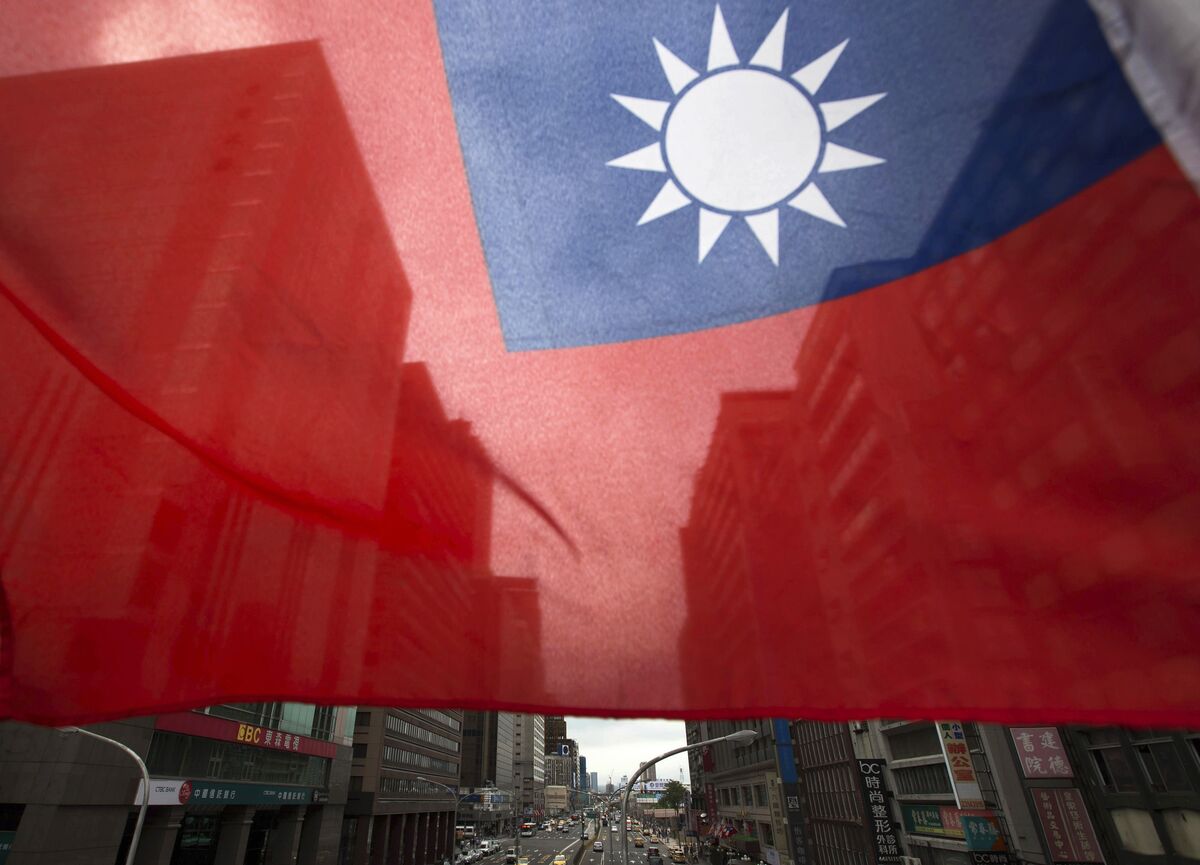
Honduran voters will elect a president on Nov. 30, and both leading candidates have vowed to break diplomatic ties with Beijing and restore relations with Taipei, posing a rare reversal of China's campaign to diminish Taiwan's global recognition. The result would alter diplomatic alignments in Central America and modestly raise geopolitical uncertainty for investors tracking China-Taiwan dynamics, but it is unlikely to produce immediate material impacts on global markets or corporate fundamentals.
Market structure: A Honduran switch back to Taipei is a geopolitical win for Taiwan's diplomatic position but economically a micro-event — direct winners are Taiwan political/diplomatic capital and any Taiwanese firms or NGOs that win follow-on aid contracts; losers are Chinese diplomatic contractors and any China-funded projects in Honduras. Market-share shifts in goods/services are negligible short-term; however, sentiment-driven flows could lift Taiwan equities (EWT, TSM) by 1–3% near-term while exerting modest pressure on China-exposed proxies (FXI, KWEB).
Risk assessment: Tail risks include Chinese economic retaliation against Honduras or regional freeze of Chinese investment, and escalation into broader Taiwan-China tensions; low probability but high impact for EM risk assets and semiconductor supply chains. Time horizons: days for election-result volatility, weeks–months for formal recognition/aid disbursements, and quarters for any material capital spending; hidden dependencies include US diplomatic/aid response and Taiwan's follow-through funding. Key catalysts: formal recognition within 30–60 days, a Taiwan aid package >$100m, or a Chinese punitive measure.
Trade implications: Tactical long exposure to Taiwan via EWT (1–2% portfolio) or concentrated TSM (0.5–1%) funded by short China large-cap ETF exposure (FXI/KWEB 0.5–1%) is logical; prefer 3–6 month call spreads on EWT/TSM (5–15% OTM) to limit downside. Trim EM sovereign duration (reduce EMB duration by ~0.5y) and keep a 50–100bp spread-widening stop; only buy Honduran USD bonds if yield ≥8% and legal covenants verified.
Contrarian angles: Markets may underprice downstream political signalling — a Honduran flip is symbolic and could accelerate other diplomatic moves (small probability) but most trade/supply chains remain intact, so a full re-rating of semiconductor or China risk is likely overdone. Historical parallels (Panama 2017) show short-lived asset moves; be wary of crowd chasing initial sentiment — hedge with FX or short-China exposure to avoid getting caught by a Chinese countermeasure.
AI-powered research, real-time alerts, and portfolio analytics for institutional investors.
Request DemoOverall Sentiment
neutral
Sentiment Score
0.00
