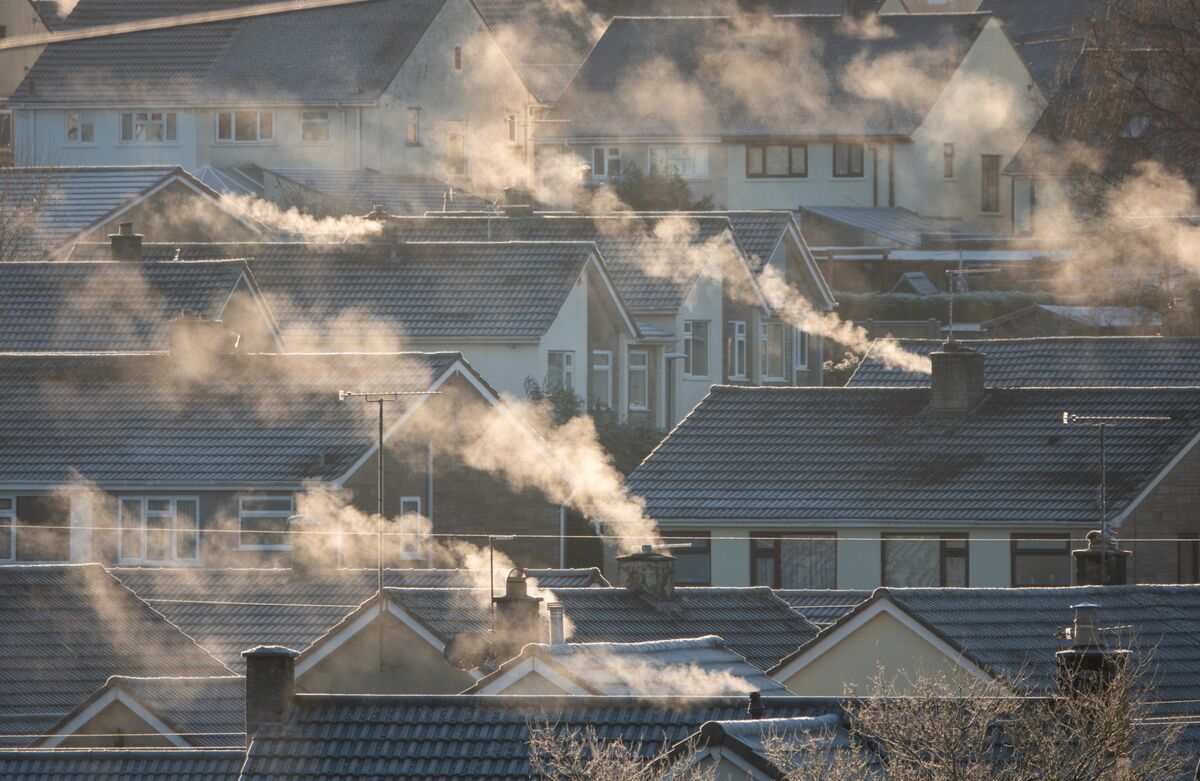
Forecasters are warning of an increased likelihood of extreme cold this winter across the US, Asia, and parts of Europe, driven by a potential weakening of the polar vortex. This development signals a significant risk of higher power and natural gas costs, which could further strain consumers already facing elevated expenses and implies potential upward pressure on energy commodity prices for the upcoming season.
Forecasters are projecting an increased probability of extreme cold this winter across the US, Asia, and parts of Europe, a significant shift attributed to a potential weakening of the polar vortex. This meteorological development marks a notable departure from the unusually warm winter experienced across the Northern Hemisphere last year.
This forecast signals a substantial risk of elevated power and natural gas costs, directly impacting consumers already contending with high expenses and economic uncertainty. The anticipated frigid conditions are expected to exert upward pressure on energy commodity prices throughout the upcoming season.
The market sentiment surrounding this outlook is strongly negative, reflecting a pessimistic view on potential economic strains and inflationary pressures. With a market impact score of 0.6, this weather phenomenon is poised to have significant implications for energy markets and consumer spending patterns.
AI-powered research, real-time alerts, and portfolio analytics for institutional investors.
Request DemoOverall Sentiment
strongly negative
Sentiment Score
-0.70
