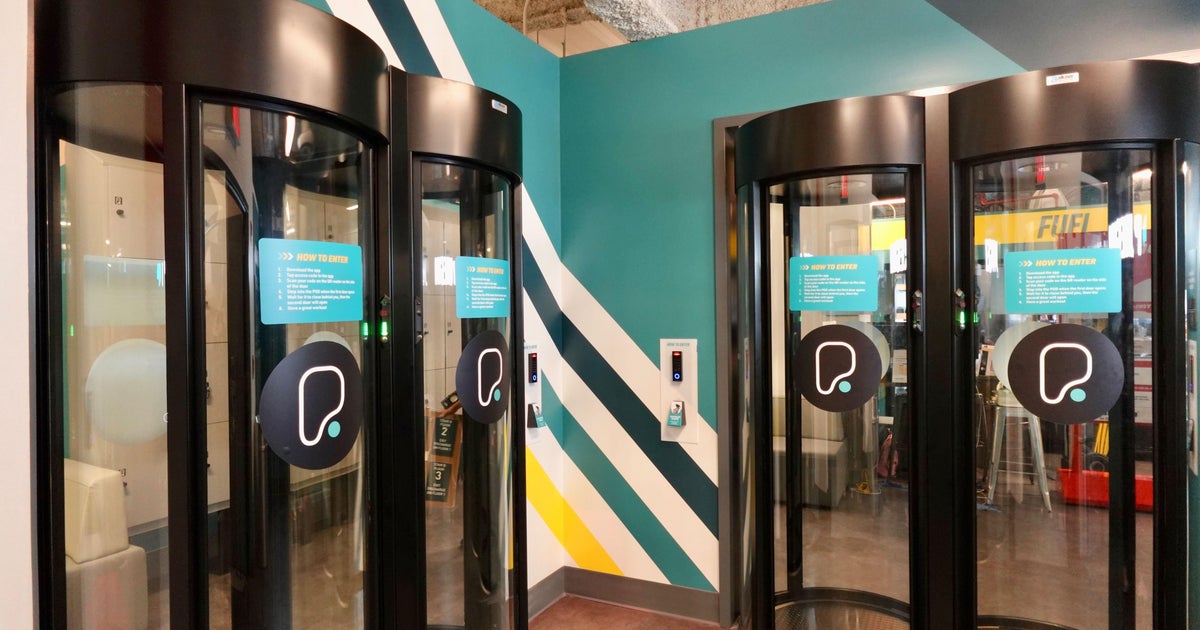
The NYC Fire Department issued dozens of violations and summonses across seven PureGym locations after finding entry/exit “scanning pods” omitted from state-approved floor plans and that some exits required electronic devices to operate; four locations were cited for failing to ensure exits remain operable without special knowledge. PureGym—which rolled out pods after its $121 million acquisition and renovation of Blink Fitness and with prior KKR backing of over £300m—says locations were designed by a licensed architect, ADA-compliant doors remain available and it is working with FDNY to resolve items. The enforcement raises regulatory, operational and reputational risk for PureGym’s ongoing rollout (more than half of 56 NY/NJ sites already have pods) and could impose remediation costs or delays to its planned 24/7 access expansion through Q1 2026.
Market structure: Winners are staffed/franchise gym operators (e.g., Planet Fitness - PLNT) and boutique studios that can sell safety/experience vs convenience; losers are automated-access models (PureGym private) and landlords/tenants facing short‑term churn. Expect a modest pricing power shift: staffed gyms can command $3–10/month premium and slow pod rollouts through Q1 2026 will reduce PureGym’s marginal revenue from extended hours by mid-single digits in affected markets. Cross-asset: limited systemic impact; small widening (10–50bp) in credit spreads of local retail landlords and slight uptick in liability insurance pricing for commercial occupiers; FX and commodities unaffected.
Risk assessment: Tail risks include municipal bans or mandated removal of pods forcing retrofits of $50k–200k per location (low probability, high cost) and class-action suits over evacuation safety leading to multi-million dollar settlements. Timeline: immediate — negative social media and FDNY notices (days–weeks); short-term — fines/permit rework and potential temporary closures (weeks–3 months); long-term — slower rollout, higher opex and unit economics revision through 2026. Hidden dependencies: lease clauses, insurance exclusions, and franchisee pushback could magnify costs if liability not fully insured.
Trade implications: Direct play — overweight PLNT (2–3% position) for 6–12 months to capture share shift; hedge — buy a small KKR (KKR) downside position: 3‑month put spread 10%/20% OTM sized 0.5–1% notional to protect against reputational contagion if FDNY escalates. Pair trade — long PLNT / short small-cap automated or tech-enabled gym operators (size 1–2% net) to exploit unit‑economics divergence. Options: favor defined‑risk bearish structures on KKR; avoid leverage until FDNY outcomes in 30–60 days.
Contrarian view: Consensus underestimates operational fragility — PureGym’s 24/7 growth thesis is conditional on regulatory acceptance; if cities force simple mechanical exits, rollout economics degrade and KKR’s realized IRR on PureGym could drop >200–400bps. Reaction is mixed: public markets likely under-react to private impairment, creating a tactical opportunity to buy KKR on confirmed remediation costs >$5–10m or to add PLNT exposure if consumer sentiment data shows persistent defect aversion. Unintended consequence: mandated staffing to replace pods would materially raise SG&A per location and slow global expansion plans.
AI-powered research, real-time alerts, and portfolio analytics for institutional investors.
Request DemoOverall Sentiment
moderately negative
Sentiment Score
-0.45
Ticker Sentiment
