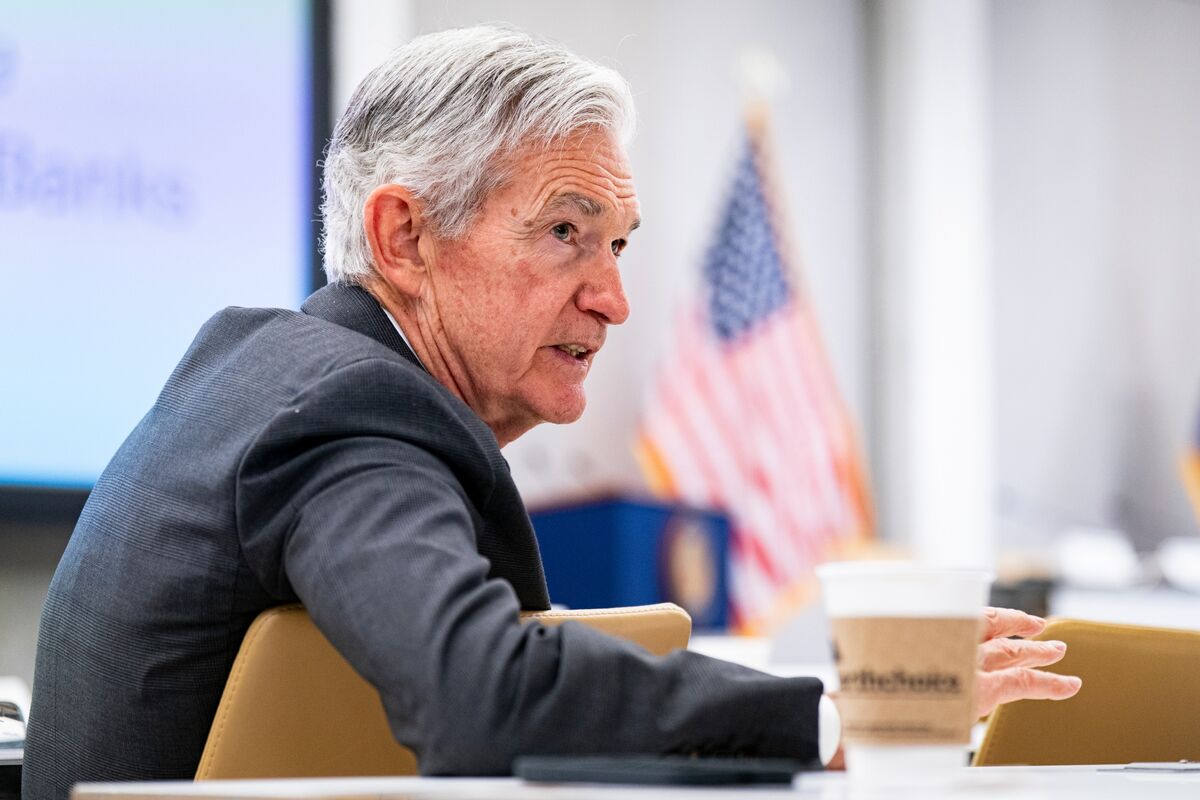
Deutsche Bank economists, led by Matthew Luzzetti, conclude that removing Federal Reserve Chair Jerome Powell and forcing lower interest rates would not significantly reduce U.S. Treasury debt-interest costs. This analysis directly refutes President Trump's assertion that such a move would alleviate federal debt burdens, indicating the proposed action would be fiscally ineffective.
An analysis from Deutsche Bank AG, led by Chief US Economist Matthew Luzzetti, directly refutes the premise that removing Federal Reserve Chair Jerome Powell to force down interest rates would yield significant savings on U.S. federal debt costs. The report, co-authored by strategists Matthew Raskin and Steven Zeng, explicitly states that such an action “won’t move the needle” on the Treasury Department's interest expenses. This finding provides a critical counterpoint to recent arguments from President Donald Trump, who has linked federal debt burdens to the Fed's monetary policy. The analysis suggests that the drivers of sovereign debt costs are more complex than short-term policy rates alone, implying that a politically motivated change in Fed leadership would be an ineffective tool for fiscal management. The neutral sentiment of the report underscores its focus on economic mechanics rather than political commentary, offering institutional investors a fact-based perspective on the potential consequences of politicizing monetary policy.
AI-powered research, real-time alerts, and portfolio analytics for institutional investors.
Request DemoOverall Sentiment
neutral
Sentiment Score
0.00
Ticker Sentiment
