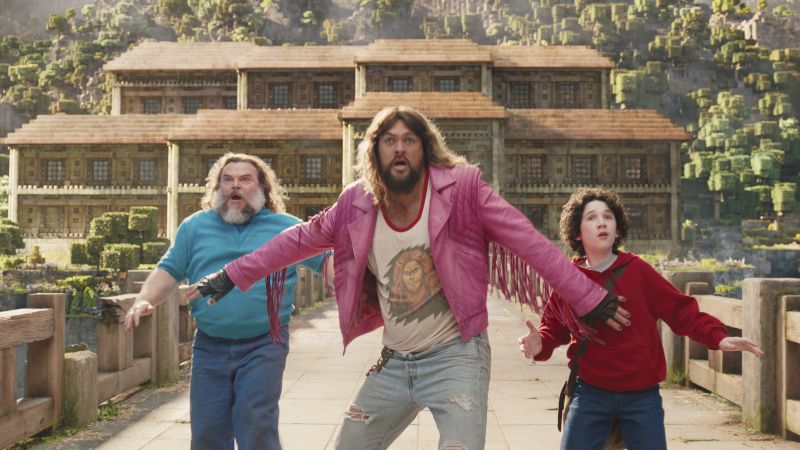
Studios are doubling down on video-game intellectual property as a major box-office driver, with Warner Bros. Discovery-linked titles and others scheduled across 2026–2027 including Return to Silent Hill (Jan 23, 2026), Super Mario Bros. Galaxy (Apr 3, 2026), Mortal Kombat II (May 8, 2026), Street Fighter (Oct 16, 2026), and multiple 2027 tentpoles such as a Minecraft sequel and The Legend of Zelda. The strategy follows heavy recent returns — the April Minecraft film opened to $162 million domestically and has grossed just under $1 billion globally — suggesting strong, repeatable revenue potential from game-to-film adaptations and a meaningful content pipeline for studios and rights holders.
Market structure: Successful game-to-film tentpoles concentrate upside into studios that own or distribute big-IP and into exhibitors/licensing partners; a handful of $500M–$1B global grosses can move studio theatrical revenue by mid-single-digit percentages and boost ancillary licensing for 12–24 months. WBD selectively benefits where it controls distribution (e.g., Minecraft sequel); Universal/Comcast and Nintendo stand to gain from Super Mario and merchandising. Consumer demand is shifting from franchise-to-franchise rather than across platforms, so winners are IP-rich owners and merch/licensing chains, losers are undifferentiated content producers and overlevered exhibitors without tentpole access.
Risk assessment: Tail risks include a string of high-budget flops that compress studio margins, union strikes (writers/actors) delaying 6–18 months of releases, or regulatory/antitrust actions on cross-media deals; a single major flop can swing short-term earnings +/-20% for mid-cap studios. Immediate (days–weeks) signals are opening-weekend box-office and social virality; medium-term (3–12 months) are sequel greenlights and licensing deals; long-term (1–3 years) hinge on recurring IP monetization and franchise fatigue. Hidden dependencies: merchandising revenue cadence, international distribution windows, and streaming/windowing decisions that shift economics away from theatrical receipts.
Trade implications: Favor concentrated exposure to IP owners and distributors with diversified monetization: establish modest equity and options exposure sized to portfolio conviction horizons (6–18 months). Use volatility-limited option structures around known release dates (buy-call spreads for upside, small protective puts sized 20–40% of position cost). Avoid large directional bets on exhibitors or pure-play streamers lacking exclusive tentpoles; prefer relative-value pairs to extract studio vs streaming dispersion.
Contrarian angles: Consensus focuses on box-office headlines but underappreciates licensing and theme-park uplift that can persist 12–36 months — this amplifies upside for Nintendo/Comcast beyond ticket sales. Conversely, market may underprice strike risk and sequel cannibalization; if opening-weekend thresholds (domestic < $50M for A-list tentpoles) are breached, quickly de-risk studio exposure. Historical parallels: media cycles like superhero fatigue led to rapid re-rating when a new genre (animation/gaming) delivered repeatable hits; expect episodic re-ratings tied to 2–3 clear wins, not single releases.
AI-powered research, real-time alerts, and portfolio analytics for institutional investors.
Request DemoOverall Sentiment
moderately positive
Sentiment Score
0.40
Ticker Sentiment
