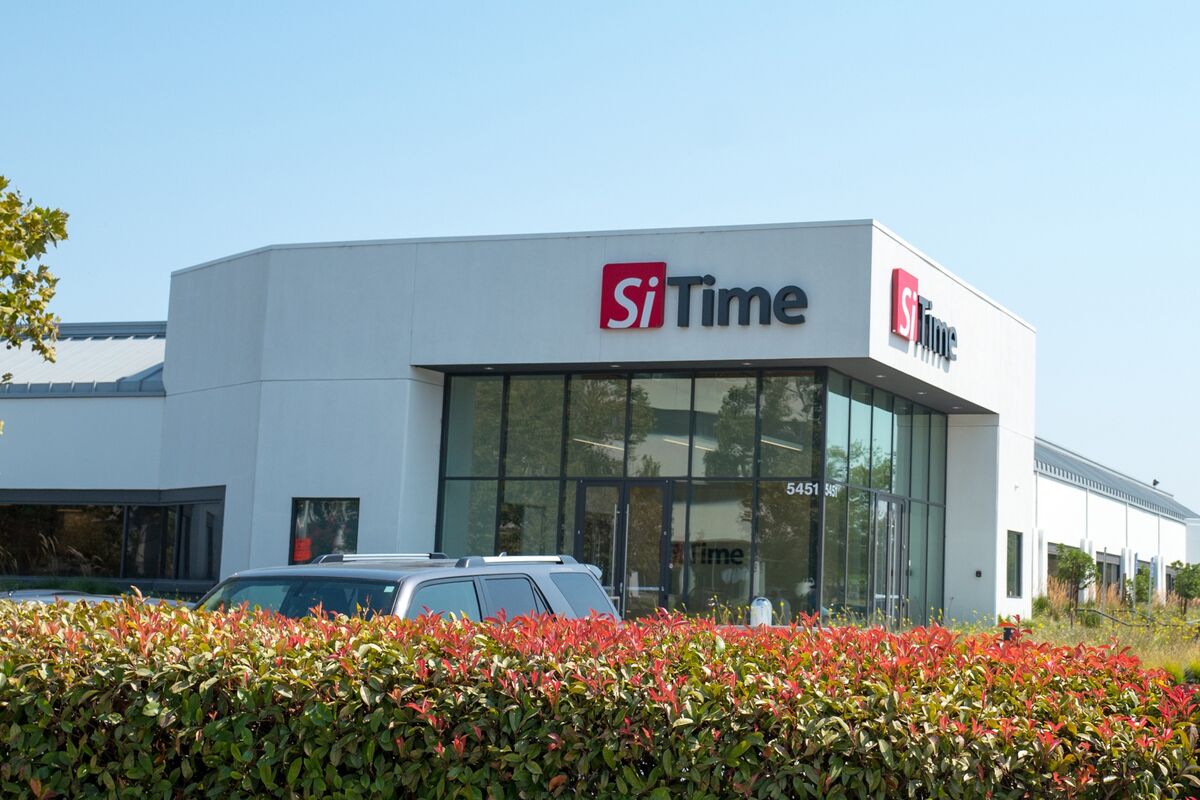
SiTime Corp., a Santa Clara-based maker of timing chips for data centers, is in talks to acquire Renesas Electronics Corp.'s timing division, which produces clocks that synchronize signals for wireless infrastructure, networking and data centers. The potential deal would expand SiTime's product portfolio and market share in timing solutions and could materially reshape competitive dynamics in the timing-chip supply chain, though terms and financial details were not disclosed and the transaction remains unconfirmed.
Market structure: If completed, SiTime (SITM) gains scale in data-center and wireless-infrastructure timing, likely raising its SAM by an estimated 5-10% in high-margin enterprise segments and improving gross-margin leverage through consolidation of test/pack capacity. Losers include mid-tier timing suppliers (e.g., Silicon Labs SLAB, Microchip MCHP niches) who face accelerated price/feature competition; customers may welcome fewer suppliers but demand multi-sourcing, keeping price elasticity intact. This consolidation signals tighter specialized supply but not immediate shortage: expect modest ASP support (5-15%) for differentiated MEMS timing parts over 12–24 months. Cross-asset: SITM equity and options vol will spike on deal news (short-dated IV +30–60%); JPY/USD FX moves matter if deal financed in yen; credit spreads for small-cap semiconductor names could widen on perceived consolidation risk.
Risk assessment: Tail risks include regulatory block (Japan/US export controls) or buyer overpayment leading to >20% goodwill write-down and a >30% post-close share drop; integration risk could compress margins for 12–18 months. Near-term (days–weeks) volatility and newsflow dominate; short-term (3–6 months) depends on diligence findings and financing structure; long-term (12–36 months) hinges on customer retention and synergies delivering >$20–40m run-rate savings. Hidden dependencies: key Renesas timing customers in China or telecom carriers may resist change, and legacy Renesas process nodes or contracts could carry contingent liabilities. Catalysts to watch: regulatory filings (30–90 days), customer win/loss announcements, and any financing terms (equity vs cash) disclosed.
Trade implications: Tactical long SITM (2–3% portfolio) ahead of deal confirmation captures upward re-rating; hedge with 3–6 month 10–15% OTM puts to limit downside to <15%. Pair trade: long SITM vs short SLAB (equal notional 1–2% each) to express consolidation winner vs incumbent supplier; exit or rebalance on deal close or if SITM outperforms by +30%. Options: buy 6–9 month call spreads (buy 25% ITM, sell 40% OTM) to cap premium while retaining upside; if implied vol explodes post-announcement, switch to covered calls. Rotate 1–3% from broad capex-sensitive names into semiconductor IP suppliers and MEMS specialists.
Contrarian angles: Consensus may underweight execution risk and overvalue immediate synergies — market often prices full integration within 12 months, which historically fails ~30% of the time in cross-border semi deals. The upside could be underdone if Renesas timing contains valuable defense-infrastructure content blocked from sale (making actual divested assets smaller), so SITM could overpay or face carve-outs; conversely, a failed deal would likely drop SITM >25%, creating a buying opportunity. Historical parallels: small-cap strategic buys (e.g., IDT/renegotiations) often saw 12–24 month stagnation before re-rating; watch customer retention metrics and order book 2–4 quarters post-close. Unintended consequence: consolidation may invite antitrust scrutiny or trigger customer multi-sourcing contracts that depress near-term revenue.
AI-powered research, real-time alerts, and portfolio analytics for institutional investors.
Request DemoOverall Sentiment
mildly positive
Sentiment Score
0.25
Ticker Sentiment
