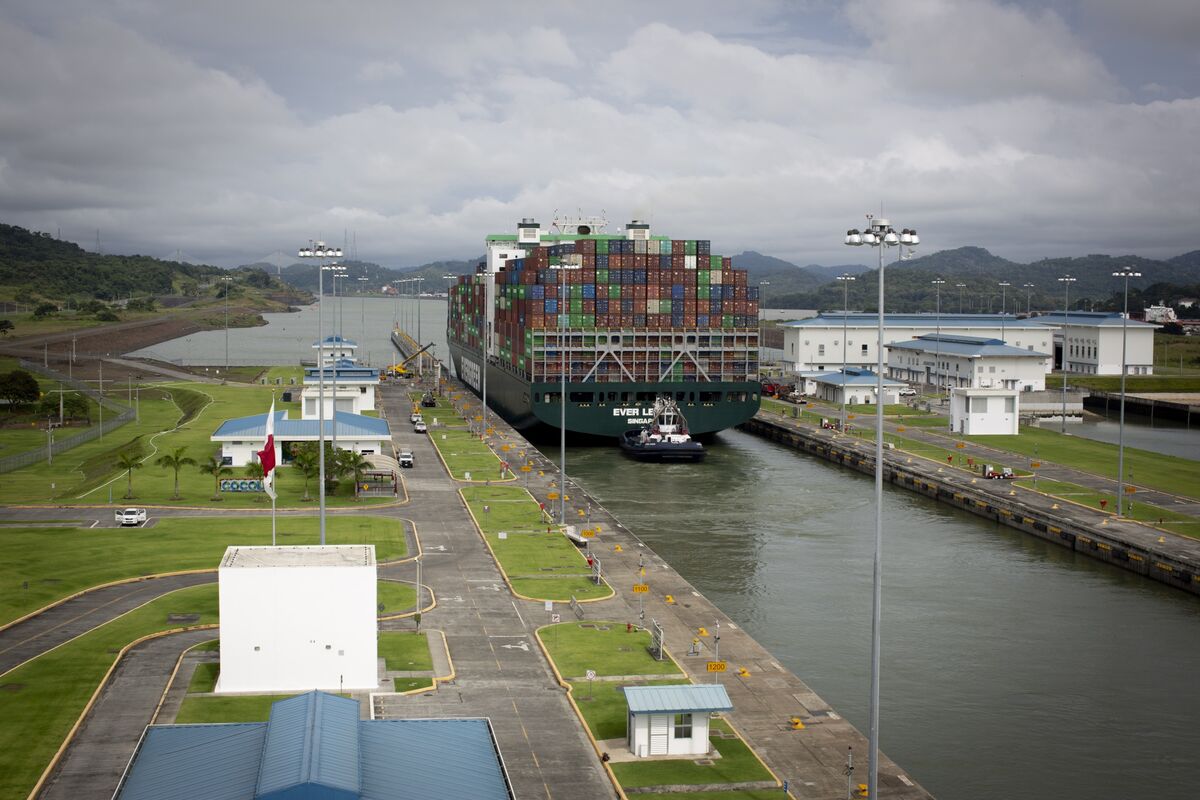
The Panama Canal Authority is entering the ports business, planning to tender two new terminals on its Atlantic and Pacific coasts which will connect to an LPG pipeline. These facilities, owned by the canal but operated by a third party, represent a strategic diversification for the PCA, a move notably occurring amid ongoing US-China geopolitical tensions concerning the waterway.
The Panama Canal Authority (PCA) is strategically expanding its business model beyond transit fees by entering the port operations sector, a move underscored by its plan to tender two new terminals on its Atlantic and Pacific coasts. This initiative, announced by PCA head Ricaurte Vasquez, involves a distinct ownership and operational structure where the PCA will own the assets while a third party will manage them. A key feature of this development is the integration of the terminals with a liquefied petroleum gas (LPG) pipeline, signaling a targeted effort to capture growth in the energy logistics market. The decision is contextualized by ongoing geopolitical tensions between the US and China concerning influence over the critical waterway, suggesting this expansion may be a move to bolster the Canal's commercial and strategic autonomy. While the news carries a low immediate market impact score (0.3), the moderately positive sentiment (0.4) indicates that market observers likely view this as a prudent, long-term diversification strategy that could create new, stable revenue streams for the PCA and alter competitive dynamics for existing port operators in the region.
AI-powered research, real-time alerts, and portfolio analytics for institutional investors.
Request DemoOverall Sentiment
moderately positive
Sentiment Score
0.40
