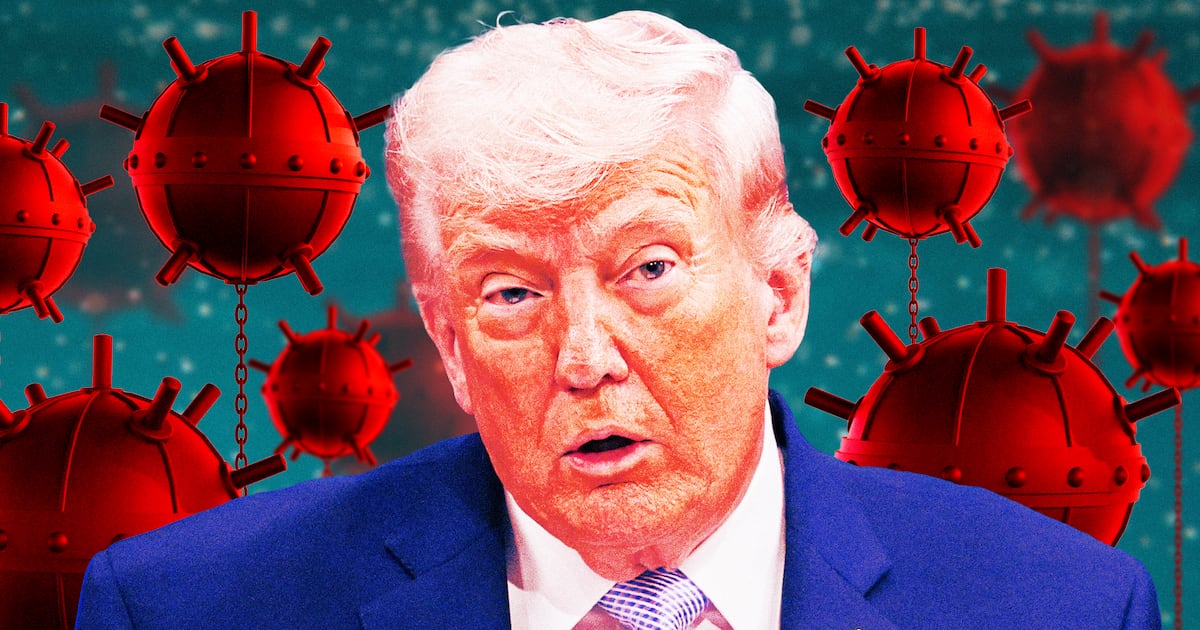
The Pentagon warned that clearing the Strait of Hormuz could take six months, implying prolonged disruption risk for global oil flows and keeping gasoline prices elevated. The national average for regular gas was $3.99 per gallon, still more than $1 above pre-war levels, while officials said Iran may have placed about 20 mines in or near the waterway. The article points to sustained pressure on energy markets, shipping, and consumer fuel costs amid an unresolved U.S.-Iran standoff.
The market is still underpricing the duration risk: this is no longer a pure headline shock, but a potentially protracted logistics bottleneck that can keep the marginal barrel expensive even if shooting stops. The key second-order effect is not just higher crude, but a persistence premium across refined products, shipping insurance, and inventory financing as traders and end-users pay up to source around a constrained chokepoint. That favors asset-heavy energy and certain defense/logistics beneficiaries, while squeezing airlines, chemicals, freight, and consumer discretionary through Q3 if the disruption proves sticky.
The more important risk is policy reflexivity. A six-month clearance timeline implies that any diplomatic de-escalation may not translate into physical normalization quickly, so the market could get repeated relief rallies that fade as flows remain impaired. If the U.S. is forced into a prolonged naval/security posture, the tail risk shifts from a one-off oil spike to a regime where benchmark prices stay elevated enough to impair demand growth and widen cross-asset volatility.
The contrarian angle is that the consensus may be too anchored to the next headline from the Strait instead of the inventory response cycle. If commercial inventories were rebuilt aggressively during the first leg higher, outright crude upside may be less explosive than the implied volatility complex; in that case the better expression is via options and relative value rather than naked commodity longs. Also, sustained high pump prices create a political backstop: once consumer pain becomes visible in polling data, pressure for a rapid external de-escalation rises sharply.
The AI/mockery angle matters less for diplomacy than for sentiment: it signals that both sides are still playing to domestic audiences, which reduces confidence in any near-term durable settlement. That keeps event risk elevated over days, while the physical repair and de-mining timeline remains the real market driver over months.
AI-powered research, real-time alerts, and portfolio analytics for institutional investors.
Request TrialOverall Sentiment
strongly negative
Sentiment Score
-0.55
