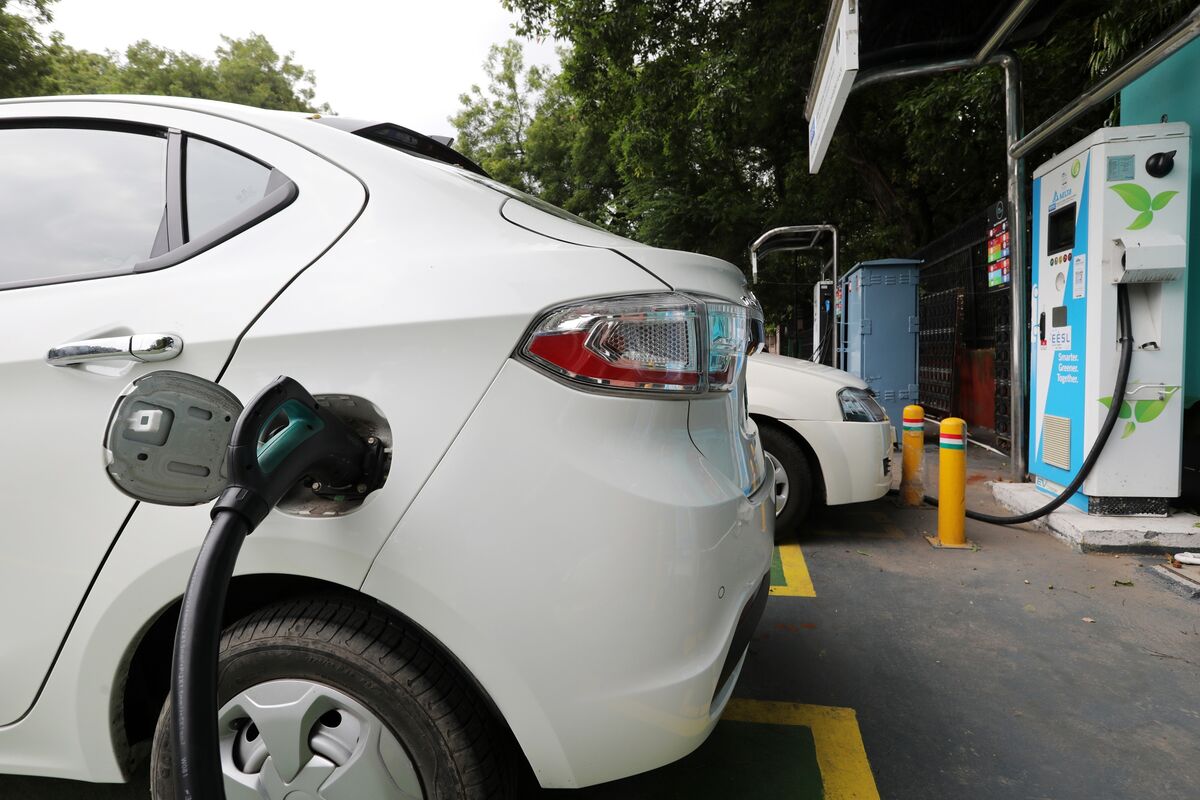
India has directed state-run banks and other financial entities to reduce fuel use by shifting meetings to video conferencing, limiting overseas travel, and adopting electric vehicles where possible. The policy is aimed at conserving foreign exchange reserves and accelerating a phased transition away from petrol-and-diesel fleets. The news is largely operational and policy-oriented, with limited near-term market impact.
The immediate market read-through is not about bank earnings; it is about policy signaling that domestic FX preservation now outranks operating convenience. That matters because state-owned financials are often the transmission belt for broader administrative pressure, so this can extend into a wider capex and procurement bias toward local, energy-efficient assets rather than imported, fuel-intensive ones. The first-order economic impact is modest, but the second-order effect is a structural preference shift in public-sector purchasing that can persist for quarters.
The clearest beneficiaries are local EV assemblers, fleet managers, charging infrastructure providers, and any supplier with a public-sector sales pipeline. The losers are ICE fleet operators, premium fuel distributors tied to corporate/government travel, and any overseas travel-dependent service lines that rely on bank/insurance demand. For automakers, the bigger point is not unit volume from one directive; it is that the government is legitimizing EV fleet adoption as a cost-control tool, which tends to accelerate procurement decisions once pilot programs prove uptime and total cost of ownership.
Risk to the trade is execution. State-run entities can comply symbolically for months while actual fleet replacement lags due to procurement frictions, charging availability, and residual-value concerns; that means the near-term impact could be more sentiment than earnings. The catalyst to watch over 1-2 quarters is whether this directive gets translated into measurable tender activity, budget allocations, and board-level fleet replacement schedules. If oil prices soften or the FX pressure eases, the urgency behind the policy could fade quickly.
The contrarian view is that this is less bullish for EV demand than it is bearish for discretionary operating spend, so the broader macro signal may be tighter public-sector budgets rather than a sudden EV surge. Consensus may overestimate the immediate revenue impact on listed EV names, while underestimating the longer-duration benefit to domestic suppliers that can win repeat government fleet orders. In that sense, the trade is not a single-name growth story; it is a slow-moving procurement-cycle rotation toward localized, lower-run-cost assets.
AI-powered research, real-time alerts, and portfolio analytics for institutional investors.
Request DemoOverall Sentiment
neutral
Sentiment Score
0.05
