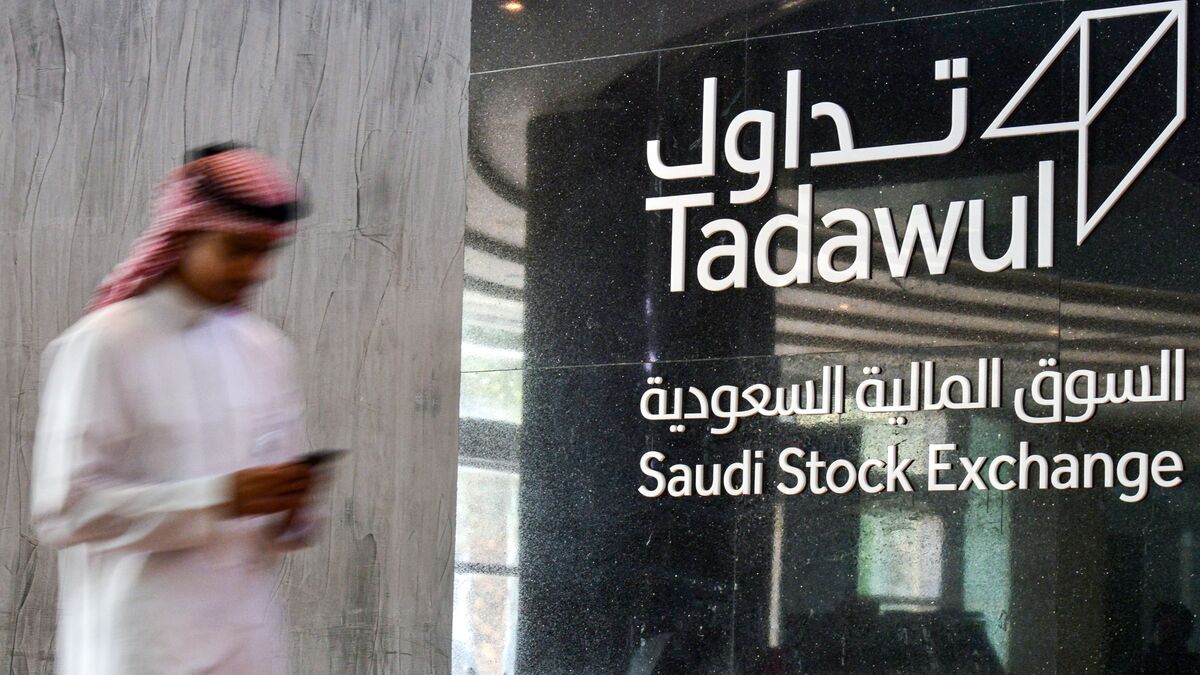
Saudi Arabia is implementing a series of market liberalization reforms, announced in July, aimed at attracting foreign investment and enhancing its stock market's global competitiveness. Key changes include easing trading for GCC residents, enabling foreign firms to launch depositary receipts, and simplifying rules for funds and asset managers. These measures seek to bolster investor confidence and position the market for future growth, despite current underperformance and declining trading volumes.
Saudi Arabia is implementing a significant, state-led market liberalization program designed to enhance foreign investor access and elevate its stock market's global standing. The reforms, announced in July, specifically target easing trading for Gulf Cooperation Council residents, enabling the launch of depositary receipts for foreign firms, and simplifying rules for asset managers. This strategic push is occurring despite current market headwinds, including underperforming equities and declining trading volumes, which indicates a long-term policy commitment rather than a reaction to short-term market strength. The confluence of these structural improvements with what are described as "cheap stocks" creates a potential value proposition, where improved market infrastructure and liquidity could unlock future appreciation.
AI-powered research, real-time alerts, and portfolio analytics for institutional investors.
Request DemoOverall Sentiment
moderately positive
Sentiment Score
0.55
