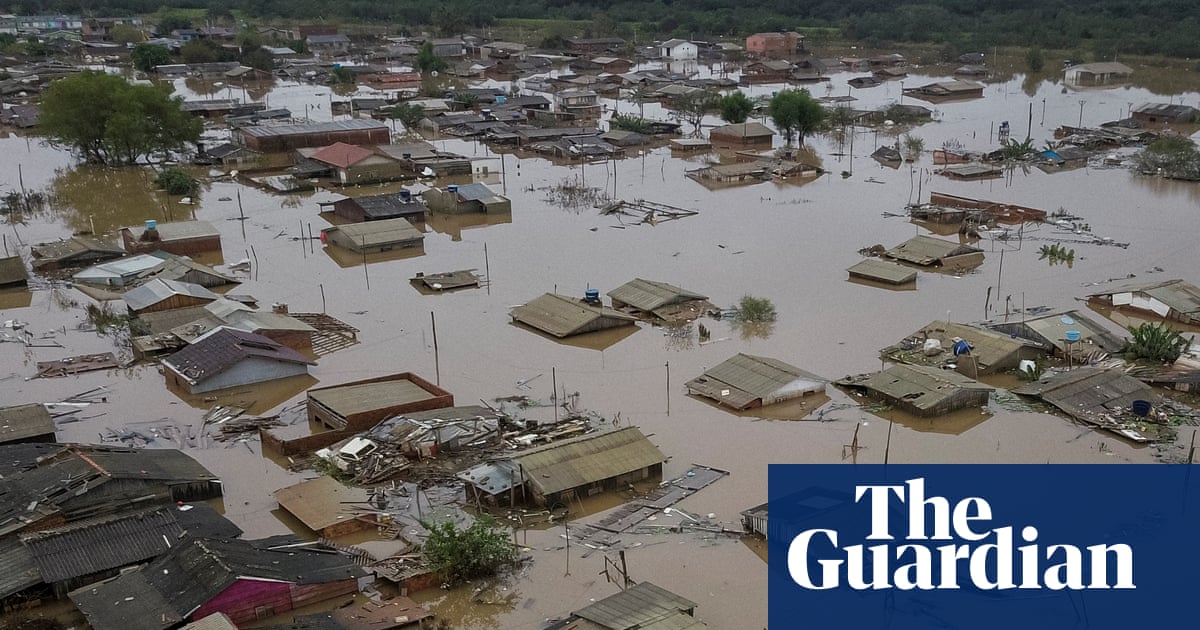
A UN report reveals climate-related disasters displaced 250 million people globally over the past decade, acting as a significant 'risk multiplier' that exacerbates existing conflicts and inequalities, particularly in fragile states. These vulnerable nations, which host three-quarters of global refugees, receive only a quarter of the climate finance needed, leading to escalating humanitarian crises and substantial economic damage, exemplified by recent events like the Brazilian floods. The UNHCR warns of a worsening outlook, with projections of many areas becoming uninhabitable by 2050, underscoring the critical need for increased climate financing and decisive action at Cop30 to mitigate widespread instability and displacement.
The UN refugee agency (UNHCR) reports that climate-related disasters forcibly displaced 250 million people globally over the past decade, averaging 70,000 displacements daily. This figure, which includes repeat displacements, is driven by extreme weather events like floods, storms, and droughts, alongside slow-onset disasters such as rising sea levels and desertification. These climate impacts are identified as a "risk multiplier," intensifying existing conflicts and inequalities, particularly in fragile states.
The report highlights significant economic and humanitarian consequences, exemplified by the May 2024 Brazilian floods which killed 181 people and caused billions in damages, displacing 580,000. Three-quarters of refugees now reside in countries highly exposed to climate hazards, with repeated displacement becoming common. Despite hosting these vulnerable populations, fragile and conflict-affected nations receive only a quarter of the necessary climate finance.
The outlook is strongly negative, with projections indicating many refugee camps could face nearly 200 days of dangerous heat stress annually by 2050, rendering locations uninhabitable. This escalating crisis is exacerbated by severe funding cuts, limiting the UNHCR's ability to protect displaced families. The report emphasizes that countries contributing negligibly to global greenhouse gas emissions bear the brunt of these impacts while lacking access to crucial adaptation finance.
AI-powered research, real-time alerts, and portfolio analytics for institutional investors.
Request DemoOverall Sentiment
strongly negative
Sentiment Score
-0.85
