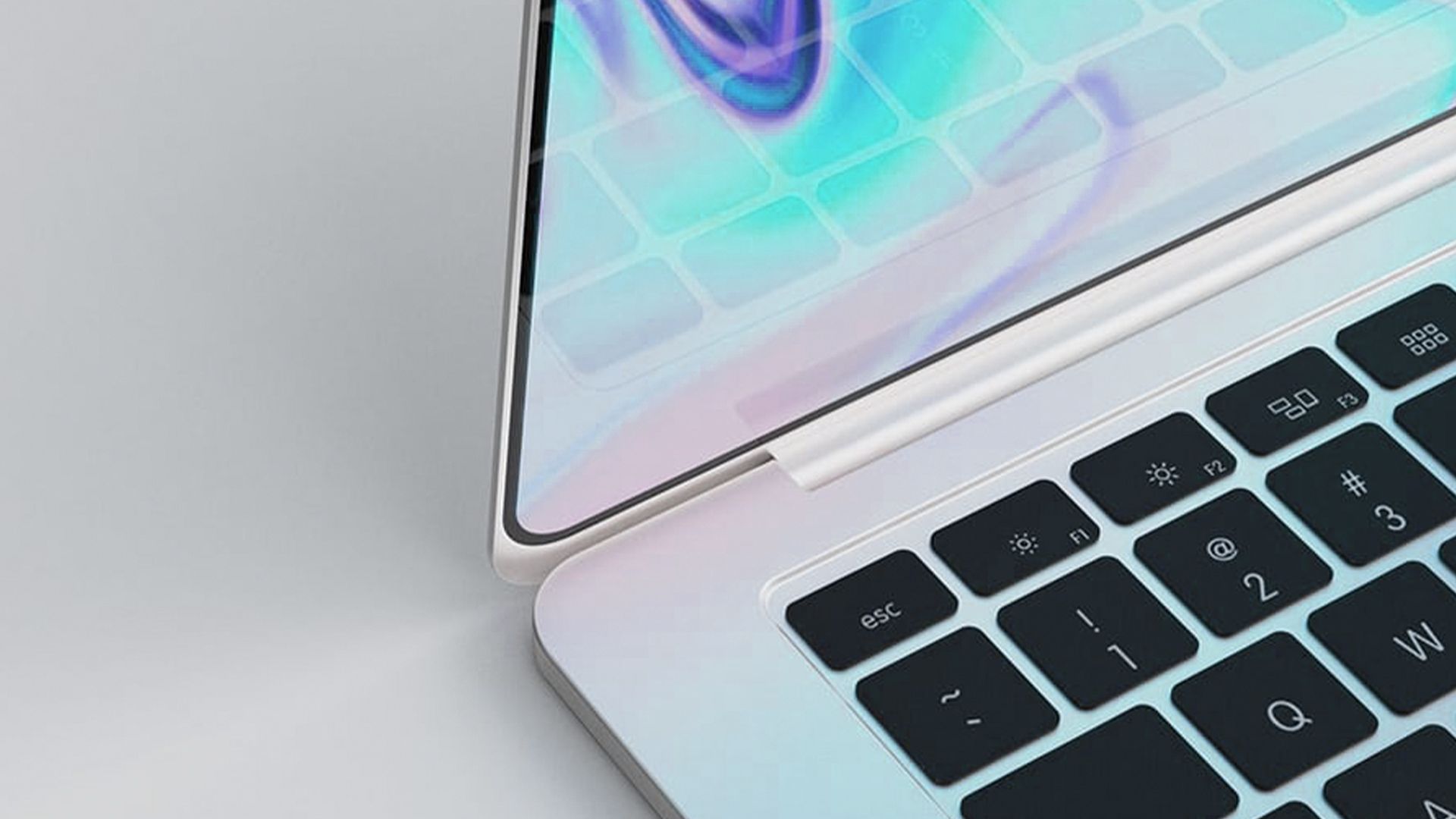
Apple is reportedly preparing a second MacBook Pro release for Q4 2026 that could be its first significant redesign in years, with reports citing a slimmer chassis, a punch‑hole FaceTime camera replacing the notch, a possible touchscreen option, and adoption of tandem OLED displays. These hardware changes — particularly OLED — would materially improve color and contrast for creative professionals and could strengthen demand for higher‑end MacBook Pros, but the report is speculative and the timing suggests limited near‑term impact on Apple's financials.
Market structure: A genuinely redesigned MacBook Pro with two-stack OLED, punch-hole FaceTime camera and possible touchscreen would primarily benefit AAPL (direct ASP and margin optionality) and upstream display/material suppliers (OLED stack IP, blue OLED emitters). Creative software vendors (ADBE) gain indirectly from higher hardware quality raising willingness-to-pay for pro subscriptions, while Windows OEMs face renewed pricing pressure at the premium laptop tier. Expect modest share shifts (1–3ppt over 18–24 months) in premium laptop ASPs and a potential 100–300 bps gross-margin tailwind for Apple if OLED adoption materializes broadly.
Risk assessment: Tail risks include OLED yield misses or supplier capacity constraints that push launch to 2027 (low probability, high impact), antitrust/regulatory scrutiny over bundled services, and demand softness if macro tightens; these would compress multiples by 10–25% in downside scenarios. Near-term (days–weeks) market reaction will be muted; medium-term (3–12 months) hinges on supply-chain confirmations; long-term (12–36 months) depends on adoption and ecosystem monetization. Hidden dependencies: exclusive supplier deals, material scarcity (indium/gallium supply), and developer optimization for touch Macs could delay monetization.
Trade implications: Favor asymmetric option structures on AAPL to buy the narrative: targeted 12–30 month call spreads (0.30–0.40 delta long, 0.10–0.20 delta short) sized 1–3% notional to capture re-rate into Q4 2026. Pair trade: long AAPL (2–3%) vs short MSFT (1%) tactically into rotation toward creator hardware; add 1% long ADBE for secular SaaS upside. Use supplier signals (panel order announcements, supplier earnings) as triggers to scale up positions.
Contrarian angles: Consensus overstates consumer impact—real revenue upside is likely modest (<2% of FY revenues) but the narrative can drive valuation expansion; the market may underprice supplier upside and overprice immediate Apple upside. Historical parallels: past Apple redesign cycles (Retina, M1) created outsized multiple expansion despite small near-term revenue deltas. Unintended consequences include cannibalization of iPad Pro sales and developer fragmentation if Apple splits touch and non-touch macOS roadmaps.
AI-powered research, real-time alerts, and portfolio analytics for institutional investors.
Request DemoOverall Sentiment
mildly positive
Sentiment Score
0.28
Ticker Sentiment
