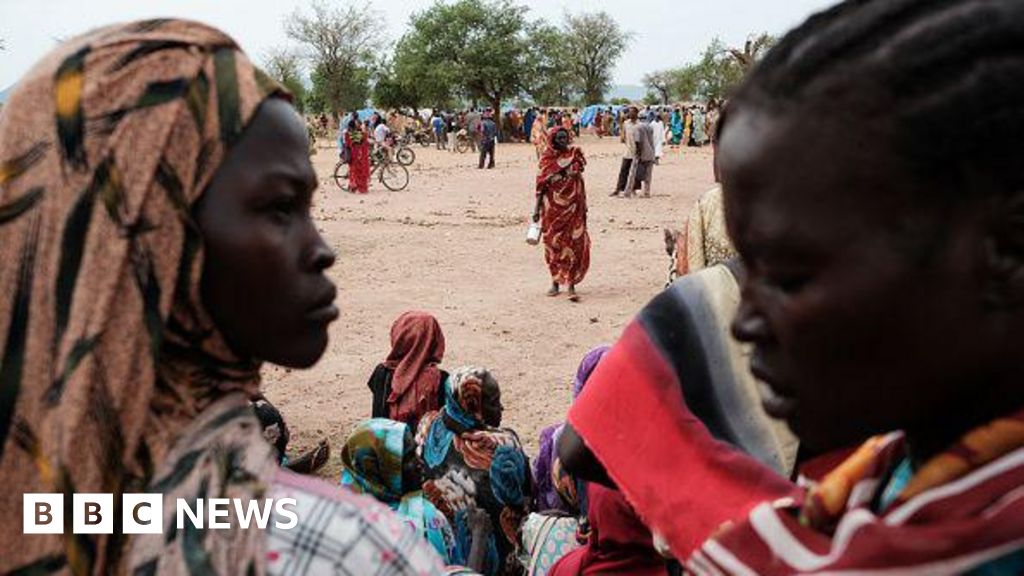
A reported drone strike on a kindergarten in Kalogi, South Kordofan, killed at least 50 people, including 33 children, with the Rapid Support Forces (RSF) and the army trading blame and independent verification pending. The RSF also accused the army of striking a market and a fuel depot at the Adre border crossing with Chad; UN agencies condemned the attacks and warned that humanitarian access is being blocked as fighting intensifies between Khartoum and Darfur. The incidents signal elevated security and political risk for Sudan and neighbouring border trade routes, with potential to disrupt cross‑border aid and commercial supplies and raise investor risk perceptions for the region.
Market-structure: The immediate winners are safe-haven assets (gold, USD, long-duration Treasuries) and large defense primes (LMT, RTX, GD) if the Sudan conflict escalates regionally; losers are frontier/emerging-market equities and sovereign debt (Sudan and nearby African sovereigns) where FX and CDS spreads can widen 100–300 bps. Pricing power shifts toward insurers, re-insurers and war-risk underwriters who can lift premia; trade/transport insurers and freight rates could rise if Red Sea or Darfur borders see spillover. Cross-asset: expect 1–3 day USD strength, 1–4 week gold uptick of 2–6%, and EM credit spreads widening; oil reaction is conditional — >5% Brent move only if shipping lanes threatened.
Risk assessment: Tail risks include a regional state intervention or blockade that disrupts Red Sea shipping (low prob <10% but high impact: oil +10–20%, insurance premia multiyear) and humanitarian-driven sanctions that freeze regional trade corridors. Time horizons: immediate (days) = flows to UST/GLD and EM outflows; short-term (weeks–months) = wider EMB spreads and EM FX depreciation; long-term (quarters+) = prolonged reconstruction risk depressing GDP and investment in Kordofan corridor. Hidden dependencies include crop harvest timing and cross-border refugee flows that could amplify supply shocks and political contagion to Chad/Chad border trade routes. Catalysts: credible ceasefire talks or major UN aid windows (reduce risk), major airstrike/port attacks (raise risk).
Trade implications: Tactical plays: buy GLD/UUP and TLT for 2–12 week protection; hedge EM equity exposure via EEM puts or by trimming 3–5% of EM allocations now. Favor small (1–3%) long positions in LMT/RTX for 3–9 months as geopolitical insurance; short frontier ETFs (FM) or buy EMB protection if spreads widen >50 bps. Options: use 3-month GLD calls or 1–3 month put spreads on EEM sized to replace 30–50% of current EM delta.
AI-powered research, real-time alerts, and portfolio analytics for institutional investors.
Request DemoOverall Sentiment
strongly negative
Sentiment Score
-0.70
Contrarian angles: Consensus assumes containment; market may underprice protracted humanitarian disruption and insurance-cycle re-rating that benefits reinsurers (RNR, RE insurers) for 6–18 months. Reaction could be underdone in defense equities if conflict flares in multiple African flashpoints — a concentrated 1–3% overweight in majors could outperform; conversely, a rapid negotiated pause would create a sharp mean-reversion in EM assets (20–30% of the drawdown) creating buy-the-dip opportunities.
