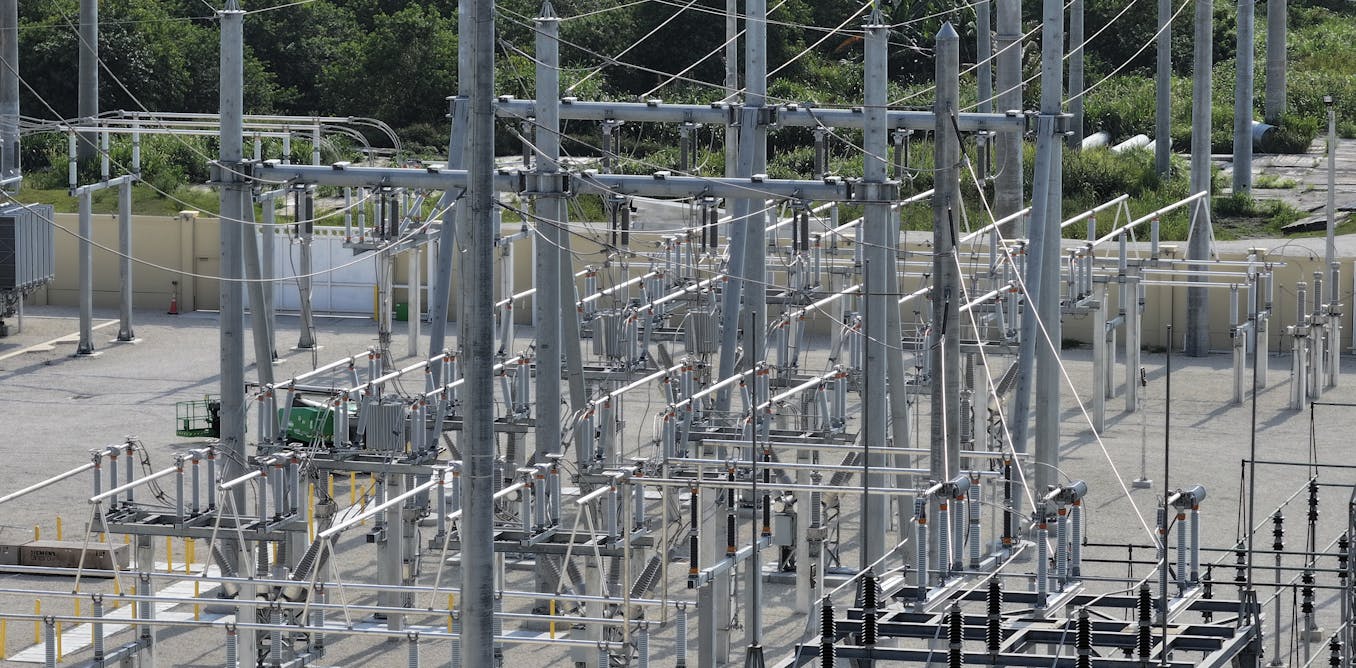
The U.S. power grid is experiencing a severe supply chain crisis for critical components like transformers, circuit breakers, and high-voltage cables, with lead times extending to multiple years (e.g., 120-210 weeks for transformers, 151 weeks for circuit breakers). This bottleneck, exacerbated by limited specialized materials, surging global demand from electrification and AI data centers, and complex manufacturing processes, is significantly delaying new infrastructure development, inflating project costs, and jeopardizing grid reliability. While utilities implement interim strategies such as battery storage and material stockpiling, a sustainable resolution necessitates substantial investment in domestic production and standardized designs to alleviate these fundamental constraints on energy infrastructure expansion and modernization.
The U.S. power grid is grappling with a severe supply chain crisis for critical components, leading to significant project delays and escalating costs. Lead times for essential equipment such as transformers have surged to 120-210 weeks, circuit breakers to 151 weeks, and high-voltage cables beyond 24 months, directly impacting infrastructure modernization and expansion. This bottleneck is inflating costs, with transformer prices now 4-6 times higher than pre-2022 levels, and poses a substantial threat to grid reliability amidst rising demand.
This crisis is exacerbated by limited availability of specialized materials, including grain-oriented electrical steel (domestically supplied primarily by Cleveland-Cliffs) and copper, coupled with complex, non-mass-producible manufacturing processes. Concurrently, U.S. electricity demand is surging due to widespread electrification, increased domestic manufacturing, and the rapid growth of AI data centers, intensifying the strain on an already constrained supply chain. This demand surge is also reflected in multi-year backlogs for natural gas turbines, with Siemens Energy reporting a record $158 billion backlog.
While utilities are implementing tactical responses like battery storage, demand management, and material stockpiling, and the Department of Energy has delayed efficiency rules, these are largely short-term measures. Industry efforts toward standardized designs are considered medium-term fixes, indicating that the fundamental supply-chain choke points in materials and heavy transport require substantial, long-term investment. The current situation suggests that grid modernization will remain a protracted and costly endeavor, relying on strategic 'choreography' rather than new construction.
AI-powered research, real-time alerts, and portfolio analytics for institutional investors.
Request DemoOverall Sentiment
strongly negative
Sentiment Score
-0.75
Ticker Sentiment
