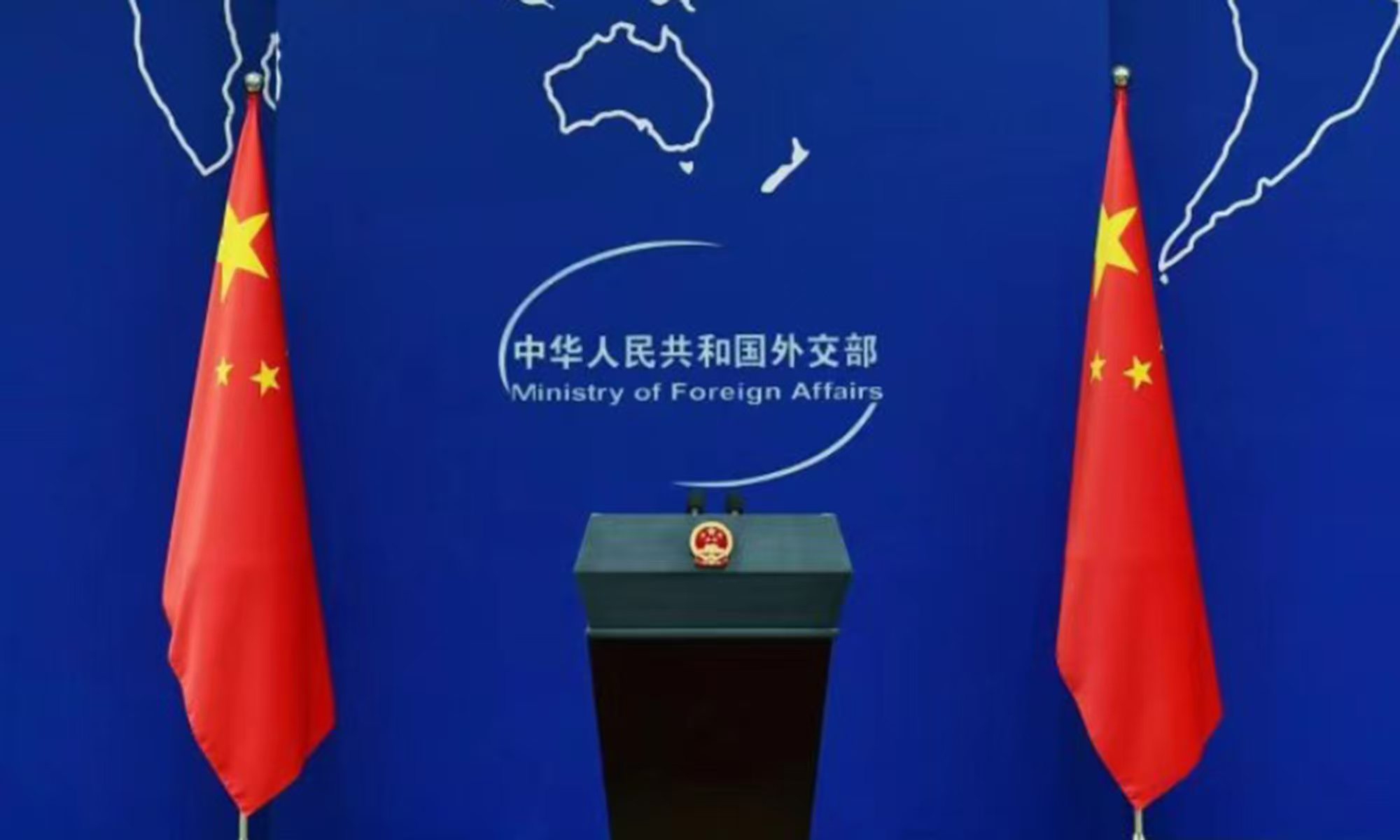
Japan's defense minister announced deployment of long‑range missiles in Kumamoto and Shizuoka capable of striking "enemy bases," prompting a strong condemnation from China which said the move exceeds self‑defense, violates wartime surrender instruments and risks neo‑militarism. Beijing warned the deployment undermines regional peace and stability and accused Japanese right‑wing forces of pushing an expansionist defense policy. For portfolios, expect a near‑term risk‑off reaction in Asian markets with potential modest downside for Japanese equities (~1–2% intraday) and upside for regional defense suppliers (a few percent), and a rise in geopolitical risk premia until tensions ease.
The immediate market lever is not a single weapons purchase but a multi-year re-rating of Japan’s defense procurement pipeline and allied procurement coordination. Expect a two- to five-year cadence: initial procurement approvals and licensing in 3–12 months, production ramp and exports in 12–48 months, and sustained aftermarket/maintenance revenue thereafter — a structural tailwind for prime systems integrators and component suppliers rather than one-off ordnance vendors.
Second-order supply effects will concentrate where capital intensity and localization barriers are highest: precision guidance, radars, shipbuilding engines and specialized alloys. That creates near-term win-win sourcing for domestic Japanese suppliers (higher margin capture, localization premium) and medium-term offset opportunities for US/EU primes through JV/tech-transfer deals; semiconductor fabs and general electronics suppliers see only modest benefit unless they supply niche RF/defense chips.
Macro market impacts split by horizon. In the near term (days–weeks) risk-off could lift safe havens and widen Asian sovereign spreads around any kinetic incident, pressuring regional equity beta; over 6–24 months, higher defense budgets increase fiscal deficits, pressuring JGBs and forcing BOJ policy choices — a secular source of upward JGB yield pressure absent large-scale BOJ intervention. Reversals come from rapid diplomatic de-escalation, domestic budget pushback, or supply-chain bottlenecks that delay spend realization.
AI-powered research, real-time alerts, and portfolio analytics for institutional investors.
Request DemoOverall Sentiment
strongly negative
Sentiment Score
-0.60
