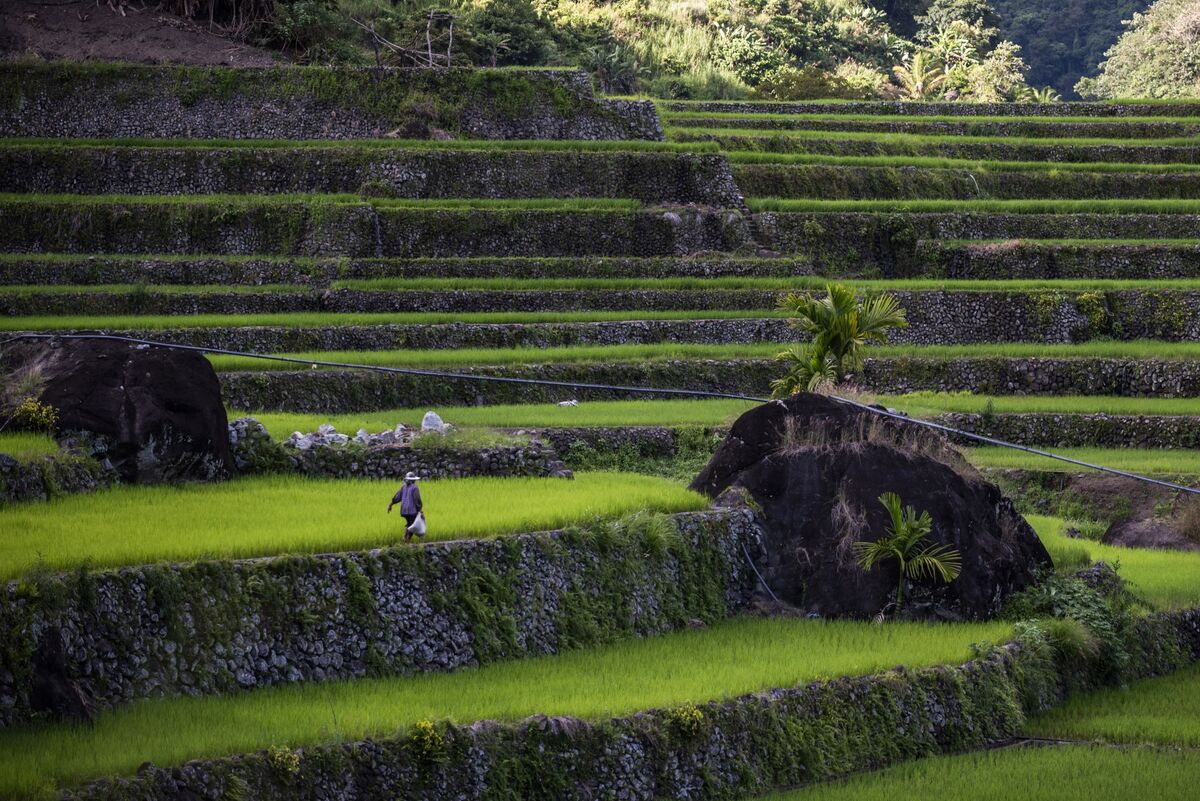
The Philippines, the world's largest rice importer, will suspend rice imports for 60 days starting September 1st. This measure, aimed at supporting local farmers facing low paddy prices during harvest, is expected to exert further upward pressure on global rice prices as a major buyer temporarily exits the market.
The Philippines, identified as the world's largest rice importer, is enacting a 60-day suspension on all rice imports, effective September 1. This government directive, issued by President Ferdinand Marcos Jr., is a protectionist measure explicitly aimed at shielding domestic farmers from depressed paddy rice prices during the ongoing harvest season. The temporary withdrawal of the single largest buyer from the global market represents a significant disruption to international trade flows and is poised to exert upward pressure on global rice prices. This policy introduces notable regulatory and supply chain uncertainty, reflecting a broader theme of domestic politics influencing commodity markets. The moderately negative sentiment and high market impact score underscore the disruptive nature of this move, which could create a supply-demand imbalance and heightened price volatility in the near term.
AI-powered research, real-time alerts, and portfolio analytics for institutional investors.
Request DemoOverall Sentiment
moderately negative
Sentiment Score
-0.50
