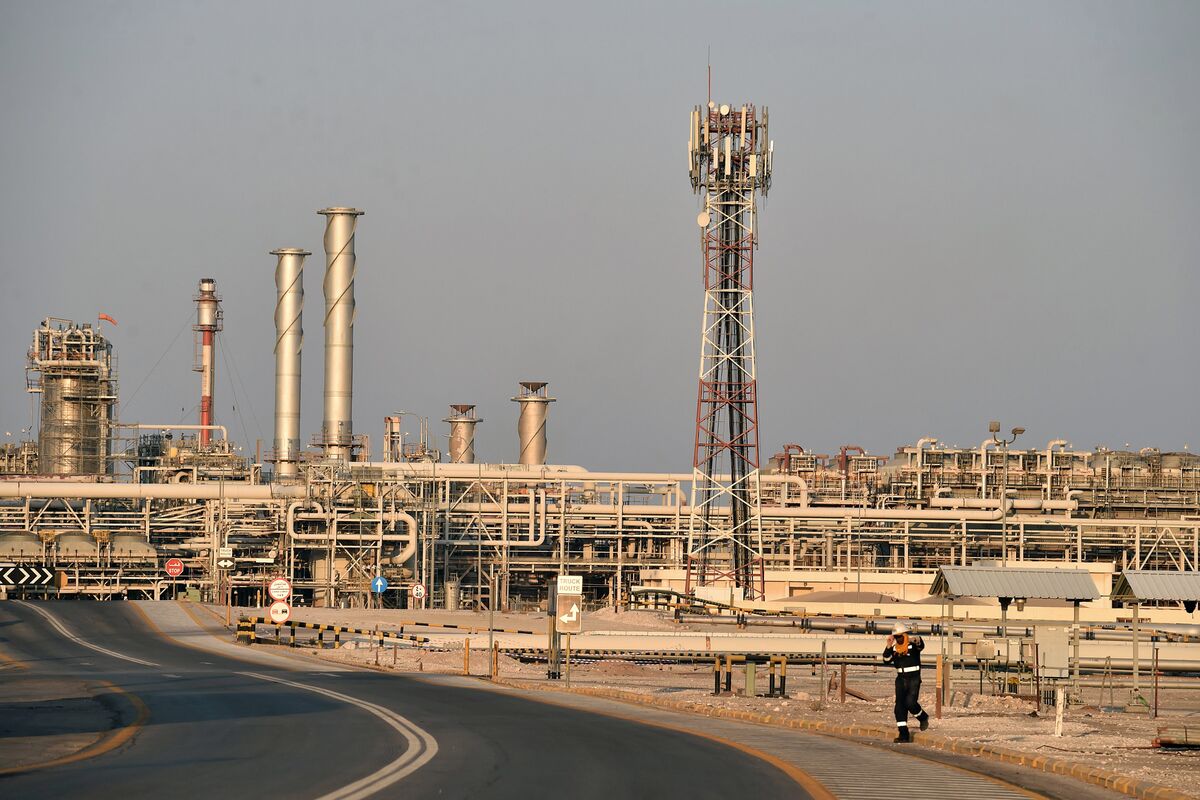
A 1,200-kilometer East-West pipeline built in the 1980s and planned over ~45 years was activated as Saudi Arabia’s contingency within hours after US/Israeli strikes effectively closed the Strait of Hormuz. The pipeline routes crude from Saudi eastern fields to the Red Sea port of Yanbu, where a large flotilla of tankers is now massing to load Saudi oil. This contingency likely limits a severe global supply shock and dampens extreme upside pressure on oil prices, though regional conflict keeps elevated geopolitical risk and price volatility possible.
Immediate market mechanics will be driven by longer voyage times, higher voyage netbacks for VLCCs and a step-up in floating storage economics. Add 10–20 extra sailing days per long-haul trip and you create an incremental freight pocket of roughly $1–3m per VLCC voyage, which can support 30–60% upside in owner EBITDA over a 1–3 month shock window even after higher bunker and war-risk fees.
Insurance and war-risk premia are the nonlinear amplifiers: a doubling of annualized war-risk can add $0.50–$1.50/bbl to delivered cost for marginal barrels, shifting refinery feed competition and crack spreads across regions within weeks. That distortion favors owners of idle capacity (tankers used for floating storage, terminals with available tanks) and incumbent forward sellers who can deliver barrels without transiting the highest-risk choke points.
Primary risks are rapid de-escalation, targeted disruption of alternate export infrastructure, and capacity limits to floating storage. A diplomatic or military ceasefire compresses freight and storage rationales within days; conversely, new asymmetric threats to chokepoints or key loading hubs can extend the dislocation for quarters and force capital reallocation into owner-operators and storage operators.
The consensus underprices two second-order effects: (1) short-term European refinery crack re-pricing as Atlantic-basin barrels become relatively more available vs Asia, and (2) the finite ceiling on floating storage — once VLCCs are fully committed to storage, marginal freight gains fade quickly. Both create a narrow window (weeks-to-months) for outsized returns before mean reversion or capacity crowding occurs.
AI-powered research, real-time alerts, and portfolio analytics for institutional investors.
Request DemoOverall Sentiment
neutral
Sentiment Score
0.00
