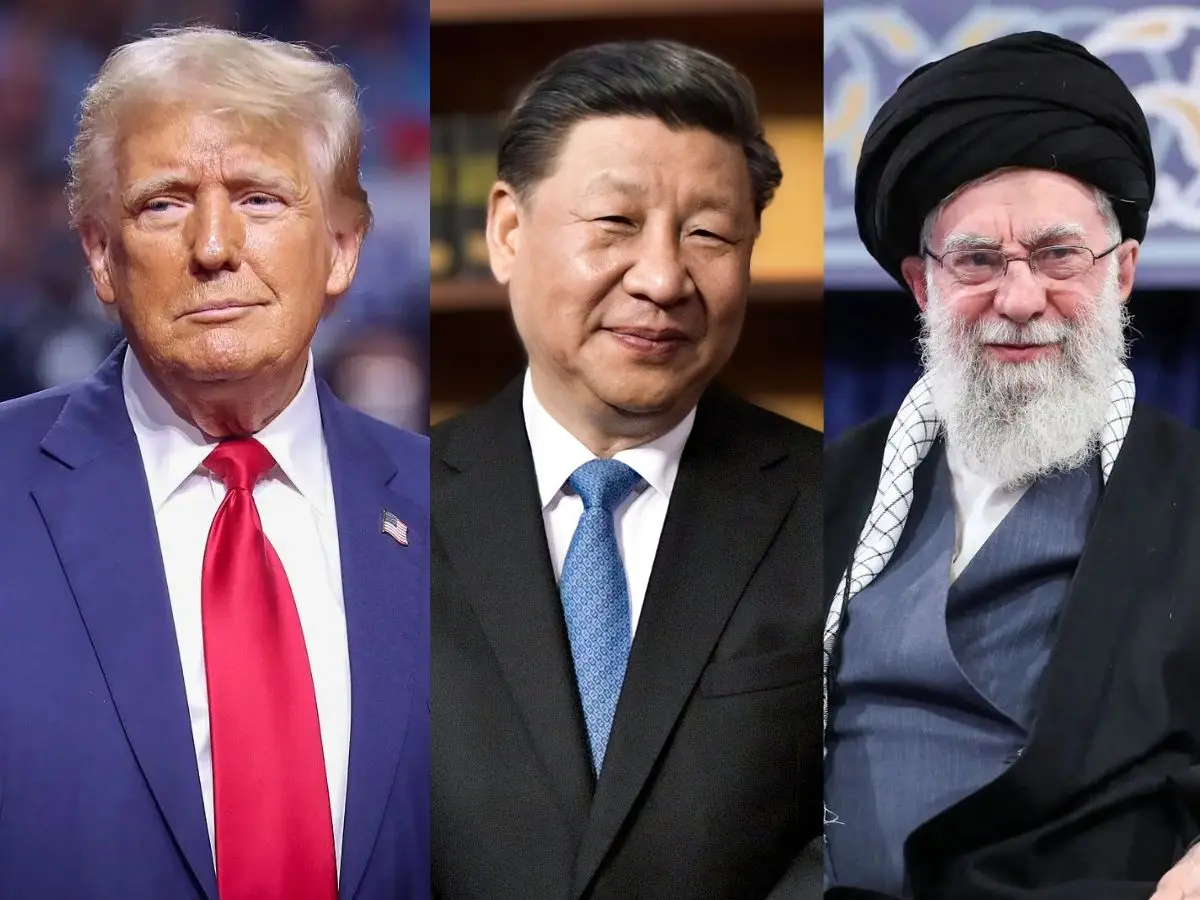
Iran is reportedly close to finalising a deal to acquire Chinese-made CM-302 supersonic anti-ship missiles (range ~290 km, high-speed, manoeuvrable), a capability that would materially enhance its anti-access/area-denial threat to surface ships in the Gulf. The missile negotiations coincide with renewed indirect nuclear talks with Washington—where the US is pushing 'zero enrichment' and Iran is preparing a counter-proposal seeking sanctions relief and 'mutual respect'—heightening bilateral tensions. The US has bolstered naval presence (13 warships in the Middle East, including recent carrier movements) and ordered non-emergency embassy staff departures from Beirut, raising regional military and shipping-risk premia that could influence defense names, insurance/shipping costs and energy risk sentiment.
Market structure: A near-term winner set includes US missile-defence and systems integrators (Lockheed LMT, Northrop NOC, Raytheon RTX) and energy exporters/spot crude; losers are regional shipping, airlines/cruise operators and insurers who will face higher war-risk premia. Supply/demand for anti-ship weapons and associated ISR systems is inelastic short-term — small volume sales (single-digit $bn) can reprice regional deterrence and accelerate naval upgrade procurement over 12–36 months.
Risk assessment: Tail risks include kinetic escalation that disrupts Strait of Hormuz shipping (oil +10–30% in 1–6 weeks) or US secondary sanctions on Chinese defence exporters leading to equity and trade sanctions spillovers; probability ~10–20% over next 3 months but impact high. Hidden dependencies: China’s willingness to export shapes both sanction risk and US political response; insurance and freight-rate repricing will amplify real-economy effects within days-weeks.
Trade implications: Tactical plays: favor 3–12 month exposure to defence primes (LMT/NOC/RTX) and tactical crude upside via energy ETF (XLE) plus short-dated Brent calls; hedge with 3-month T-note longs (TLT) or GLD to offset risk-off moves. Rebalance away from cyclical consumer travel names (AAL, UAL, CCL) and regional EM sovereign credit; use options to cap downside (buy protective puts) where appropriate.
Contrarian angles: The market may overestimate Iran’s ability to neutralize carrier groups at scale — deterrence and layered Aegis/airborne systems are underpriced relative to headline fear, so pure long-biased defence exposure without missile-defeat tech specificity is crowded. Conversely, sanction risk to China’s defence industrial base is underappreciated; a sanctions shock could lift US domestic defence orders and semiconductor/core tech beneficiaries over 6–24 months.
AI-powered research, real-time alerts, and portfolio analytics for institutional investors.
Request DemoOverall Sentiment
moderately negative
Sentiment Score
-0.45
