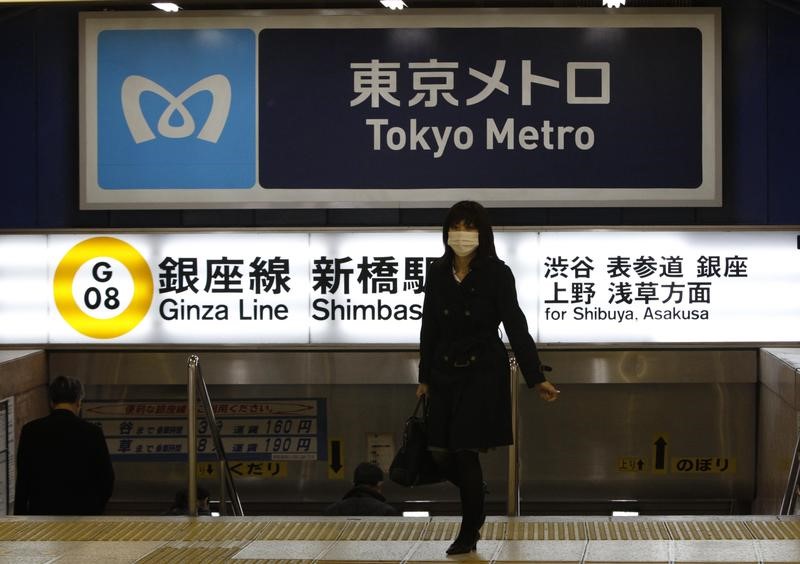
Headline Tokyo CPI rose 1.4% in March (softest since March 2022); core CPI (ex‑fresh food) slowed to 1.7% vs 1.8% expected, and core ex‑food-and‑energy eased to 2.3% from 2.5%. The Sanae Takaichi government’s subsidies and price controls are weighing on inflation, but the BOJ expects inflation to reaccelerate later this year and has flagged further interest rate hikes. Separately, Brent briefly hit $115 as geopolitical risk rose after Trump threatened Iranian energy infrastructure, adding upside risk to Japan’s energy-import bill and inflation outlook.
The immediate crude-price reaction to geopolitical rhetoric is a headline-driven supply-risk repricing, but the more consequential channel for our portfolios is the knock-on to Japan’s fiscal cushion and global rate expectations. A persistent energy shock increases the probability the Japanese government scales back consumer subsidies within 3–9 months, forcing a fiscal reallocation that results in higher net JGB issuance and upward pressure on local yields — a stress point for duration-heavy credit and the long-duration FX carry trades that have been funding EM and US growth risk.
At the corporate level, rising energy costs are a two-way sword: they mechanically compress margins for energy-intensive incumbents while accelerating capex demand for technologies that materially reduce power-per-compute. That dynamic favors manufacturers of dense, power-efficient AI servers and systems-integration players that capture hyperscaler migrations, while advertising-dependent consumer apps face a more binary outcome — budgets either get cut or concentrated into higher-ROI programmatic channels, benefiting vendors with superior AI attribution. Supply-chain secondaries include higher freight and logistics costs that will compress gross margins first and induce reorder timing shifts for semiconductors over the next 2–6 quarters.
Key risk paths that could unwind the current repricing are rapid de-escalation in the Middle East (days–weeks), a renewed government decision to extend or deepen Japanese subsidies (weeks–months), or a BOJ communication that delays tightening (months) — any of which would cap energy-driven headline inflation and flatten the JGB repricing. Contrarian read: the market is underestimating the durability of hyperscaler capex because spot energy shocks accelerate, not delay, their migration to higher-density compute stacks; this makes select hyperscaler-supplier equities mispriced on a 3–12 month horizon even if consumer ad spend softness shows up in the interim.
AI-powered research, real-time alerts, and portfolio analytics for institutional investors.
Request DemoOverall Sentiment
neutral
Sentiment Score
0.00
Ticker Sentiment
